🚀 Serverless and Git: Deploying Serverless Applications with Git-Based Workflows
Welcome to the Serverless and Git subcategory at Git and Version Control Hub, your practical resource for deploying serverless applications with reliable, repeatable, and collaborative Git-based workflows. Learn how to connect Git repositories, serverless platforms, infrastructure as code, CI/CD pipelines, and automated deployments to build modern applications without managing traditional servers. Whether you use AWS Lambda, Azure Functions, Google Cloud Functions, Cloudflare Workers, Vercel, Netlify, or another serverless provider, this section explains how version control can improve development, testing, security, and production releases.
🔗 Git-Based Serverless Deployment Workflows
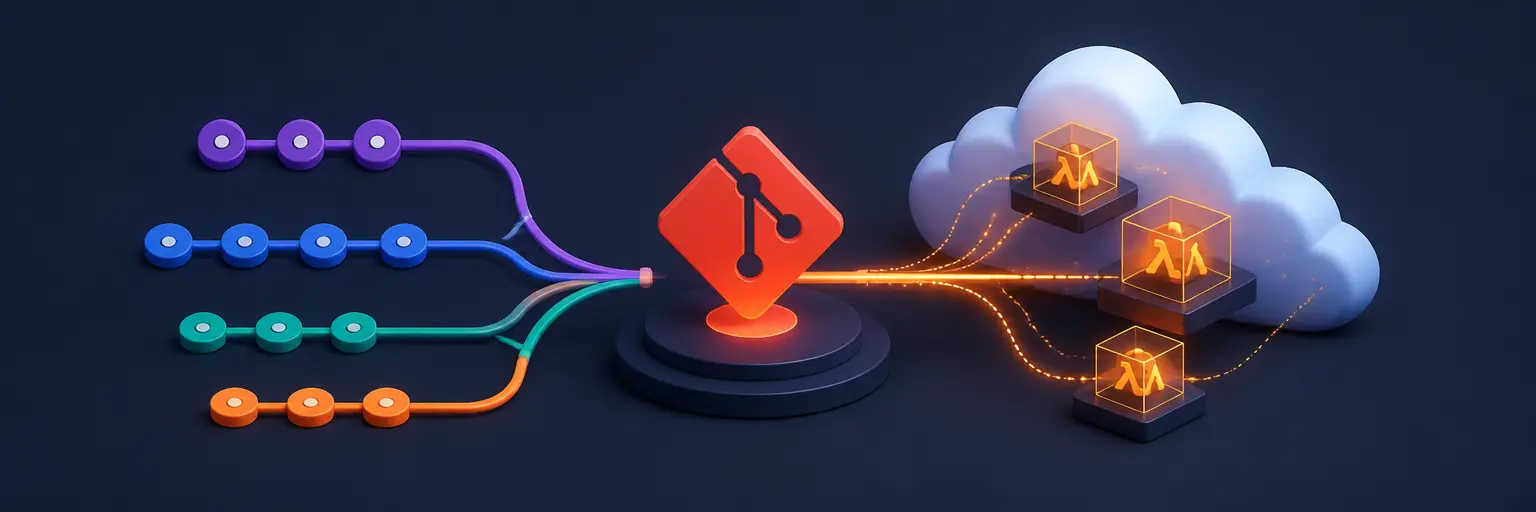
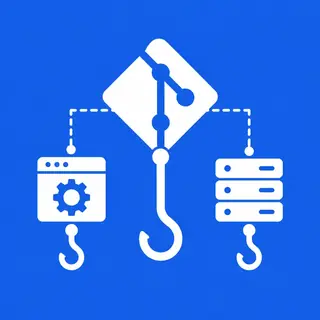
Discover how to structure a complete serverless deployment workflow around Git, from creating feature branches and opening pull requests to merging tested code into a production branch. Tutorials cover repository organization, deployment branches, environment-specific configuration, commit practices, and automated triggers that connect GitHub or GitLab with serverless hosting platforms.
Readers can expect practical guidance for designing predictable Git workflows for serverless applications. Learn how to reduce manual deployment steps, maintain a clear release history, review changes before production, and use Git as the central source of truth for application code and deployment configuration.
⚡ Continuous Integration and Continuous Deployment for Serverless Apps
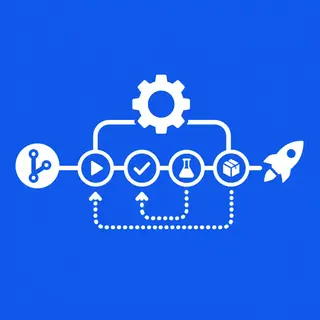
Learn how to build CI/CD pipelines that automatically install dependencies, run tests, package functions, validate configuration, and deploy serverless applications after approved Git changes. This section explores GitHub Actions, GitLab CI/CD, Bitbucket Pipelines, and cloud-native automation tools for serverless development.
Guides explain how to create dependable automated serverless deployments while keeping development, staging, and production environments separate. You will also learn how to use pipeline approvals, deployment previews, rollback strategies, build caching, and status checks to improve release quality and delivery speed.
☁️ Managing Serverless Infrastructure with Git
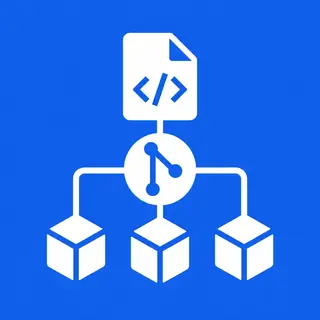
Explore how infrastructure as code makes serverless resources easier to create, review, reproduce, and maintain. Learn how to manage functions, API gateways, databases, queues, permissions, environment variables, and event sources with tools such as AWS SAM, AWS CDK, Serverless Framework, Terraform, and Pulumi.
By storing infrastructure definitions in Git, teams gain versioned cloud infrastructure and a transparent change history. Expect tutorials on pull-request-based infrastructure reviews, reusable configuration, state management, drift detection, and safer changes across multiple cloud environments.
🧪 Testing and Preview Environments for Serverless Projects
Serverless applications require more than source-code testing. Learn how to combine unit tests, integration tests, API tests, local emulation, and cloud-based validation within a Git-driven workflow. Content covers testing functions, event-driven services, authentication flows, database access, and API integrations before deployment.
Discover how to create preview environments for pull requests so developers and reviewers can inspect serverless changes before merging. These temporary environments help teams identify configuration errors, broken endpoints, permission issues, and unexpected behavior earlier in the development lifecycle.
🔐 Secure Git and Serverless Deployment Practices
Security is essential when Git repositories trigger cloud deployments. Learn how to protect repository secrets, use short-lived credentials, configure least-privilege permissions, and prevent sensitive keys from entering commits. Tutorials also cover secret managers, encrypted variables, dependency scanning, and secure deployment identities.
Readers will find actionable advice for building secure serverless CI/CD pipelines. Understand how branch protection, code reviews, signed commits, audit logs, environment approvals, and automated security checks help protect serverless applications and cloud infrastructure from unauthorized changes.
📦 Versioning, Releases, and Rollbacks for Serverless Applications
Learn how Git tags, semantic versioning, release branches, and changelogs can bring structure to serverless application releases. This section explains how to coordinate application code, infrastructure changes, function versions, API updates, and database migrations within a controlled release process.
Expect practical strategies for safe serverless rollbacks, including previous Git commits, immutable artifacts, blue-green deployments, canary releases, and provider-specific version management. These techniques help teams recover quickly when a deployment introduces an error or performance problem.
📊 Monitoring and Troubleshooting Git-Triggered Deployments
Understand how to investigate failed builds, deployment errors, function timeouts, configuration conflicts, permission failures, and incorrect environment variables. Guides connect Git commit history with CI/CD logs, cloud monitoring, distributed tracing, and serverless observability tools.
Learn how to create a repeatable troubleshooting process using deployment logs, Git diffs, pipeline artifacts, and cloud metrics. This makes it easier to identify which change caused an issue and helps teams improve their serverless deployment workflow over time.
❓ Frequently Asked Questions About Serverless and Git
What is a Git-based workflow for serverless applications?
A Git-based serverless workflow uses a Git repository to manage application code, infrastructure definitions, configuration templates, and deployment history. Commits, branches, and pull requests can trigger automated testing and deployment through a CI/CD platform.
Which Git providers work with serverless deployments?
Most serverless platforms work with popular Git providers such as GitHub, GitLab, and Bitbucket. Integrations may use native repository connections, webhooks, or CI/CD services such as GitHub Actions and GitLab CI/CD.
Should serverless infrastructure be stored in Git?
Yes. Storing infrastructure as code in Git provides version history, peer review, repeatable environments, and safer changes. It allows teams to review cloud resource modifications through pull requests before applying them.
How can I keep secrets out of a Git repository?
Never commit passwords, API keys, private certificates, or cloud credentials. Use encrypted CI/CD secrets, cloud secret managers, environment-specific variables, and short-lived identity credentials. Secret scanning should also be enabled where available.
How do I roll back a failed serverless deployment?
Rollback options include redeploying a known-good Git commit, deploying a previous artifact, switching traffic to an earlier function version, or using blue-green and canary deployment controls. Keeping tagged releases and immutable build artifacts makes recovery faster and more reliable.