Git Refactoring with Branch by Abstraction
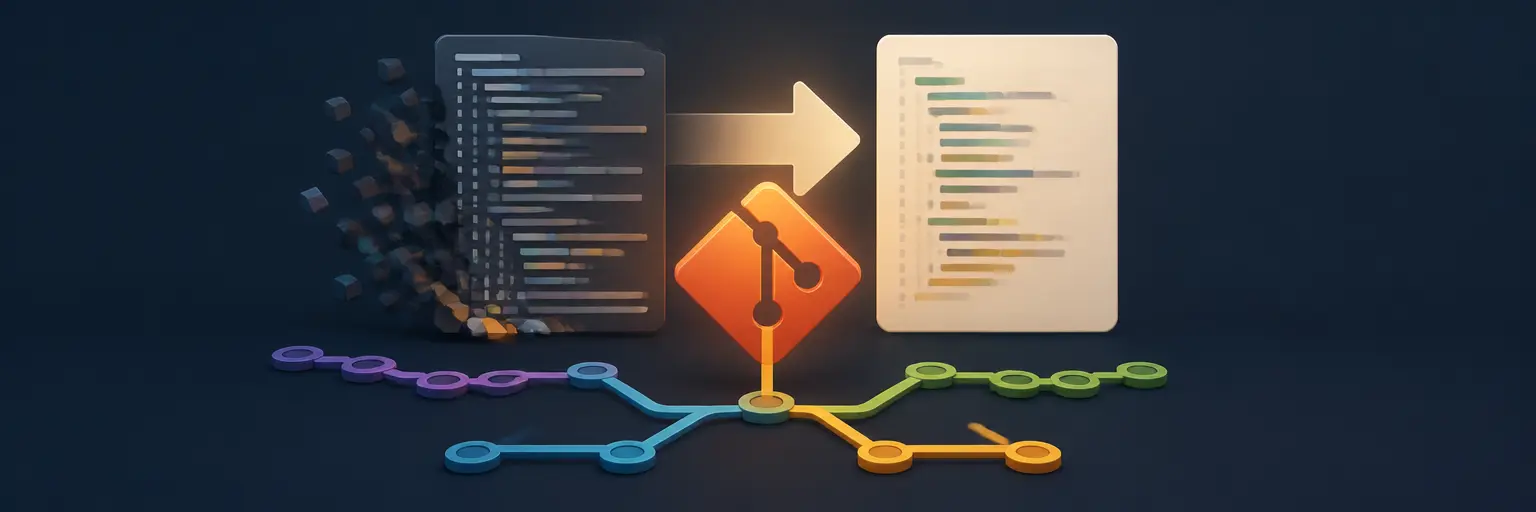
Learn how to use Git for safe, traceable code refactoring with practical branching strategies, small commits, feature flags, and branch by abstraction. This subcategory helps developers modernize codebases while preserving stability, supporting collaboration, and maintaining a reliable rollback path.
🧩 Git Workflows for Safe Refactoring
Discover how to plan a refactoring workflow with dedicated Git branches, clean working trees, and focused commits. You will learn to separate structural code changes from behavior changes, use descriptive branch names, and create a logical commit history that makes reviews easier. Small, independently testable commits reduce risk and help teams identify regressions quickly while refactoring complex applications.
🌉 Branch by Abstraction Explained
Explore branch by abstraction, a powerful technique for replacing legacy implementations without maintaining a long-lived feature branch. This approach introduces an abstraction layer or interface, adds a new implementation behind it, and gradually migrates callers while the main branch remains deployable. Tutorials explain how Git supports each transition, including interface design, compatibility layers, incremental commits, and safe removal of obsolete code.
🔀 Git Branching, Rebasing, and Integration
Understand when to use short-lived refactoring branches, frequent merges, or interactive rebase before opening a pull request. Practical guidance covers resolving merge conflicts, keeping branches synchronized, and preserving meaningful history without rewriting shared commits. You will also learn how git diff, git log, git bisect, and git range-diff can verify that a refactor changes structure without unintentionally changing application behavior.
🧪 Testing and Reviewing Refactoring Commits
Effective Git refactoring depends on continuous validation. Learn how to combine unit tests, integration tests, static analysis, code formatting, and CI checks with incremental refactoring commits. Each stage should provide evidence that the system still works, while pull requests should clearly explain intent, risk, and migration steps. Automated testing and reviewable commits make large code improvements safer for distributed development teams.
🚀 Feature Flags, Rollbacks, and Legacy Code Removal
See how feature flags, dual implementations, and controlled releases support gradual migration from legacy code to modern architecture. Git tags, revert commits, release branches, and deployment history provide dependable rollback options when a refactor causes unexpected issues. Once adoption is complete, learn how to remove temporary abstractions and flags through a final cleanup change, keeping the repository maintainable and the Git history understandable.
Frequently Asked Questions
What is Git refactoring?
Git refactoring is the practice of using Git branches, commits, reviews, tests, and release controls to safely improve code structure without changing intended behavior. It provides a record of each transformation, supports collaboration, and makes it easier to compare changes, identify regressions, revert risky work, and coordinate refactoring across a development team.
What is branch by abstraction?
Branch by abstraction is a refactoring strategy that introduces an interface or abstraction between existing callers and an implementation. Developers then add a replacement implementation, migrate usage gradually, and remove the old code after validation. Unlike a long-lived feature branch, the main branch can remain integrated and deployable throughout the transition.
Should refactoring use a separate Git branch?
A short-lived branch is useful when a refactor requires isolated experimentation, multiple coordinated commits, or review before integration. However, small refactorings are often safer when integrated frequently into the main branch. The best choice depends on team workflow, CI quality, deployment practices, and the risk of creating merge conflicts or a long-lived divergence.
How can Git help prevent refactoring regressions?
Git helps by preserving incremental commits, enabling code comparison, supporting peer review, and providing recovery through reverts or tags. Combined with automated tests, CI pipelines, and commands such as git bisect, it allows teams to locate the commit that introduced a problem. Clear commit messages also make future maintenance and troubleshooting easier.
How do you remove an old implementation after branch by abstraction?
First confirm that all callers use the replacement implementation and that monitoring and tests remain successful. Then remove feature flags, compatibility code, unused interfaces, and the legacy implementation in a focused commit or pull request. Search the repository for remaining references, run the complete CI pipeline, document the migration, and tag the release when appropriate.