Mastering Git Filtering and LFS: Become a Git History Pro
Unlock Git's full potential with our comprehensive Git filtering and LFS tutorial! GitAndVersionControlHub.com shows you how to streamline your workflow, manage large…
Read article
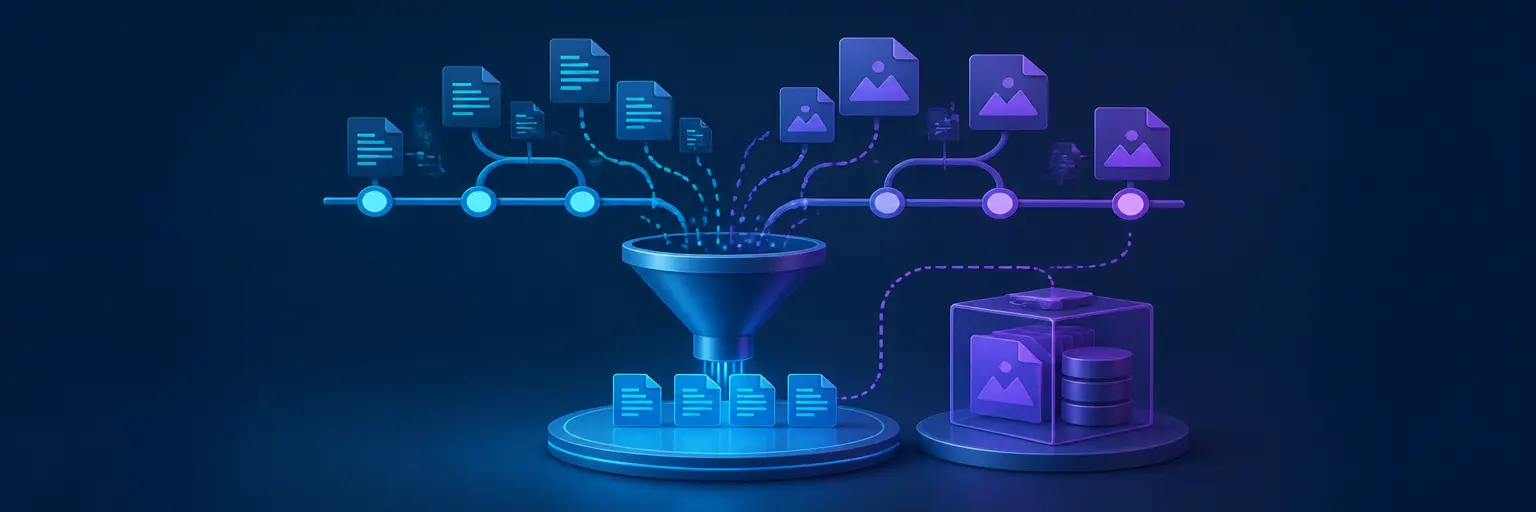
🛠️ Master Git filtering to clean, optimize, and manage repository history with confidence. Learn how to rewrite commits, remove sensitive data, track large files using Git LFS, and keep repositories fast, secure, and collaboration-ready. 🚀 These practical Git techniques help developers improve performance, simplify version control workflows, and maintain cleaner projects across GitHub and GitLab.

Unlock Git's full potential with our comprehensive Git filtering and LFS tutorial! GitAndVersionControlHub.com shows you how to streamline your workflow, manage large…
Read article
Is your Git repository bloated with large files slowing down your workflow? Git LFS for repository management offers a streamlined solution, keeping…
Read article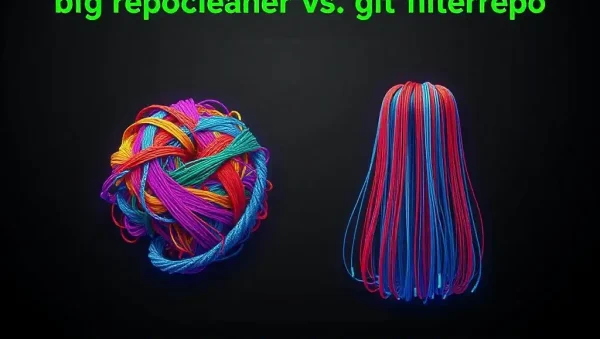
Overwhelmed by messy Git history? GitAndVersionControlHub.com compares BFG RepoCleaner and Git Filter-Repo, helping you choose the best history filtering tool for Git,…
Read article
Maintain regulatory compliance with Git history scrubbing. GitAndVersionControlHub.com shows developers how to filter sensitive data from Git repositories, ensuring project history meets…
Read article
Optimize your Git workflow with our expert Git filtering strategy guide. Learn to tailor your filtering approach to specific project needs, maximizing…
Read article
Tame your chaotic Git history! GitAndVersionControlHub.com's guide on Git repository history cleanup shows you how to transform a messy project into a…
Read article
Boost your workflow! GitAndVersionControlHub.com reveals expert improve Git LFS performance tips and tricks to accelerate large file handling in your projects, streamlining…
Read article
Efficiently manage large files in your Git repositories! This step-by-step guide on GitAndVersionControlHub.com details a streamlined Git LFS large file migration strategy,…
Read article
Master Git's power responsibly! This article on GitAndVersionControlHub.com clarifies when Git filtering enhances your workflow and when it introduces unnecessary complexity, outlining…
Read article
Overwhelmed by Git's history? GitAndVersionControlHub.com's expert comparison of FilterBranch, FilterRepo, and BFG reveals the best Git filtering tools for cleaning up your…
Read article
Master complex Git histories! GitAndVersionControlHub.com's "Advanced Git Filtering Scenarios" dives into powerful, advanced Git history cleanup techniques beyond basic commands, streamlining your…
Read article
Protecting your Git history is crucial. Before attempting any filtering or rewriting, `GitAndVersionControlHub.com` shows you how to securely backup your Git repository,…
Read articleWelcome to the Git Filtering subcategory at Git and Version Control Hub, your practical resource for filtering Git history, removing sensitive or unwanted files, and managing large assets with Git Large File Storage (LFS). Learn how advanced Git commands such as git filter-repo, Git LFS migration tools, and repository cleanup techniques can improve performance, protect credentials, and keep collaborative projects maintainable. Whether you are cleaning an old repository or designing a scalable version control workflow, these tutorials provide clear, reliable guidance for developers working with GitHub, GitLab, and modern CI/CD pipelines.
Discover how to rewrite Git history safely when a repository contains obsolete files, accidentally committed secrets, generated build artifacts, or oversized binaries. Our guides explain how git filter-repo can replace older history-rewriting approaches, helping you remove paths, rewrite author information, change file contents, and reduce repository size with greater control.
You will learn how to plan a history rewrite, create backups, test the result, and coordinate force-push operations with a development team. Clear examples cover filtering branches and tags, validating rewritten commits, and updating local clones so that Git history cleanup does not create unnecessary confusion or data loss.
Accidentally committing API keys, passwords, private certificates, or environment files can create serious security risks. This section explains how to identify exposed data, remove it from every relevant commit, and use tools such as secret scanners to detect credentials before they reach a shared Git repository.
History rewriting is only one part of incident response. Our content also emphasizes revoking and rotating compromised credentials, communicating with collaborators, checking forks and mirrors, and updating GitHub or GitLab protections. These practices help developers combine Git filtering with secure repository management.
Git LFS is designed for large files that do not work efficiently in standard Git objects, including videos, design files, datasets, archives, game assets, and compiled binaries. Learn how Git LFS stores lightweight pointer files in Git while keeping the actual content in dedicated LFS storage.
Step-by-step tutorials cover installing Git LFS, running git lfs install, tracking file patterns with git lfs track, committing LFS pointers, and verifying downloads. You will also learn how Git LFS improves clone speed and repository performance while supporting collaboration through GitHub, GitLab, and compatible hosting providers.
Moving files into LFS after they have already been committed requires more than simply tracking future changes. Learn how to migrate historical files with commands such as git lfs migrate, identify large objects, and rewrite repository history to replace ordinary Git blobs with LFS pointer files.
These guides explain important migration considerations, including repository backups, branch and tag handling, remote coordination, force-pushing rewritten history, and updating continuous integration environments. Following a structured process helps prevent broken clones and ensures that large file migration is completed consistently across a team.
Large repositories can slow down cloning, fetching, indexing, CI/CD jobs, and local development. Explore techniques for finding oversized objects, pruning unnecessary data, repacking repositories, and combining Git history filtering with Git LFS for a more efficient project structure.
Expect practical advice for balancing repository size, developer productivity, and storage requirements. You will also learn when to use shallow clones, partial clones, sparse checkout, and server-side repository maintenance alongside Git cleanup and optimization strategies.
History rewriting and LFS adoption affect every contributor, automation runner, deployment system, and repository mirror. Learn how to announce repository changes, freeze active work, establish a migration branch, update clone instructions, and confirm that GitHub Actions, GitLab CI/CD, and other automation systems can access required files.
Our team-focused content helps you create repeatable procedures for code review, protected branches, LFS quotas, caching, and deployment artifacts. These practices support reliable Git collaboration and reduce the risk of CI failures after a repository cleanup or storage migration.
Git filtering is the process of rewriting or selecting repository content and history. It can remove files from past commits, replace sensitive text, modify author information, or retain only specific paths. The modern tool commonly recommended for advanced history rewriting is git filter-repo.
In most cases, yes. git filter-repo is generally faster, safer, and easier to use than the older git filter-branch command. However, history rewriting still changes commit IDs, so you should create a backup and coordinate carefully before updating a shared remote repository.
Use Git LFS for large binary files or frequently changing assets that would make normal Git storage inefficient. Common examples include videos, images, audio, CAD files, datasets, archives, and compiled packages. Text source code usually remains better suited to standard Git.
Yes. The git lfs migrate command can rewrite existing history and convert selected files into LFS pointers. Before migration, back up the repository, review branches and tags, check hosting limits, and inform all contributors because the rewritten history requires coordinated updates.
First revoke or rotate the exposed credential because removing it from Git history does not make it safe. Then use a history-filtering tool to remove or replace the secret, force-push only after team coordination, inspect branches and tags, and enable secret scanning and safer environment-variable practices to prevent recurrence.