📜 Open Source Licensing: Understand MIT, GPL, Apache, and More
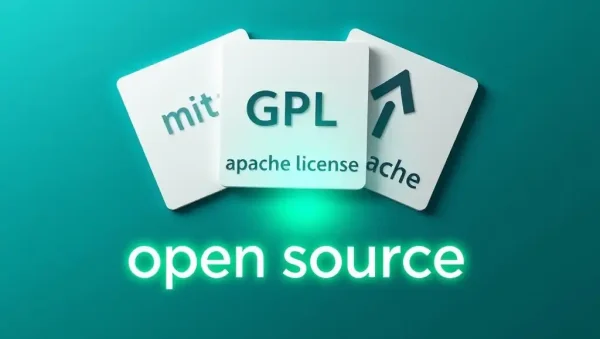
Welcome to the Open Source Licensing section of Git and Version Control Hub, where developers learn how software licenses shape collaboration, distribution, modification, and commercial use. This subcategory explains the differences between popular open source licenses—including the MIT License, GNU GPL, and Apache License 2.0—so you can choose, apply, and comply with the right license for your Git and GitHub projects. Whether you maintain a personal repository, contribute to a team codebase, or publish a public package, our guides provide practical licensing knowledge for responsible open source development.
⚖️ MIT License: Simple and Permissive Open Source Use
The MIT License is one of the most widely used permissive open source licenses. Learn what permissions it grants, including the ability to use, copy, modify, merge, publish, distribute, sublicense, and sell software. Our content explains the importance of retaining the original copyright notice and license text when sharing MIT-licensed code.
Readers will also discover when the MIT License is suitable for GitHub repositories, libraries, frameworks, applications, and commercial software. We clarify its minimal compliance requirements, lack of warranty, and differences from stronger copyleft licenses, helping developers make informed licensing decisions.
🌀 GNU GPL: Copyleft, Distribution, and Source Code Obligations
The GNU General Public License, commonly called the GPL, is a copyleft license designed to preserve software freedom. This section explains how GPL licensing affects modification, redistribution, derivative works, and the requirement to provide corresponding source code under applicable conditions.
Guides cover important distinctions between GPLv2 and GPLv3, as well as common questions about linking, combining code, distributing binaries, and contributing changes through Git. You will learn how GPL compliance influences open source projects, software vendors, and collaborative development workflows.
🛡️ Apache License 2.0: Permissive Licensing and Patent Protection
The Apache License 2.0 is a permissive open source license known for clear attribution requirements and an express patent license. Learn how to include copyright notices, license files, attribution information, and required NOTICE files when distributing Apache-licensed software.
This section also compares Apache 2.0 with the MIT License, focusing on patent rights, contributor protections, modification notices, and compatibility considerations. These explanations are useful for developers managing Git repositories, enterprise projects, cloud applications, and software dependencies.
🔍 License Compatibility, Compliance, and Git Workflows
Choosing a license is only the first step. Explore how to add a LICENSE file to a Git repository, document third-party dependencies, review package metadata, and track license changes through commits and pull requests. Practical guidance helps teams build a repeatable open source compliance workflow.
Learn how license compatibility affects projects that combine code under different terms. Our tutorials discuss attribution, notices, source distribution, dependency audits, SPDX identifiers, GitHub license detection, and best practices for reviewing licensing information before merging external code.
🤝 Contributing to Open Source Projects Responsibly
Open source contributions can involve copyright, contributor agreements, and licensing expectations. This content explains how developers can review a project’s LICENSE file, understand contribution guidelines, identify a project’s preferred license, and avoid unintentionally introducing incompatible code.
You will also learn how Git history, pull requests, commit messages, and signed contributions can support clearer project ownership and compliance records. These practices help maintain transparent collaboration across GitHub, GitLab, distributed teams, and public software communities.
❓ Frequently Asked Questions About Open Source Licenses
What is an open source software license?
An open source license is a legal permission notice that explains how others may use, modify, copy, distribute, and sometimes sell software. It defines the rights and obligations of developers, users, contributors, and distributors.
What is the difference between the MIT License and the GPL?
The MIT License is permissive and generally allows software to be incorporated into proprietary products, provided the required notice is retained. The GPL is a copyleft license that can require derivative software distributed under certain conditions to remain available under the GPL with corresponding source code.
Is Apache License 2.0 compatible with commercial software?
Yes. Apache License 2.0 is permissive and allows commercial use, modification, and distribution. However, users must follow its requirements, including preserving notices, providing the license text, and respecting applicable attribution and NOTICE obligations.
How do I add a license to a GitHub repository?
Create a file named LICENSE or LICENSE.txt in the repository’s root directory and add the complete text of the selected license. You should also review your README, package metadata, dependency licenses, and contribution guidelines for consistent licensing information.
Can I change the license of an open source project?
Changing a project license may be difficult if many contributors hold copyright in the code. You generally need permission from all relevant copyright holders or must remove contributions that cannot be relicensed. Review the project history and seek qualified legal advice for complex situations.