🚀 Building Open Source Communities: Strategies for Growing and Engaging Contributors
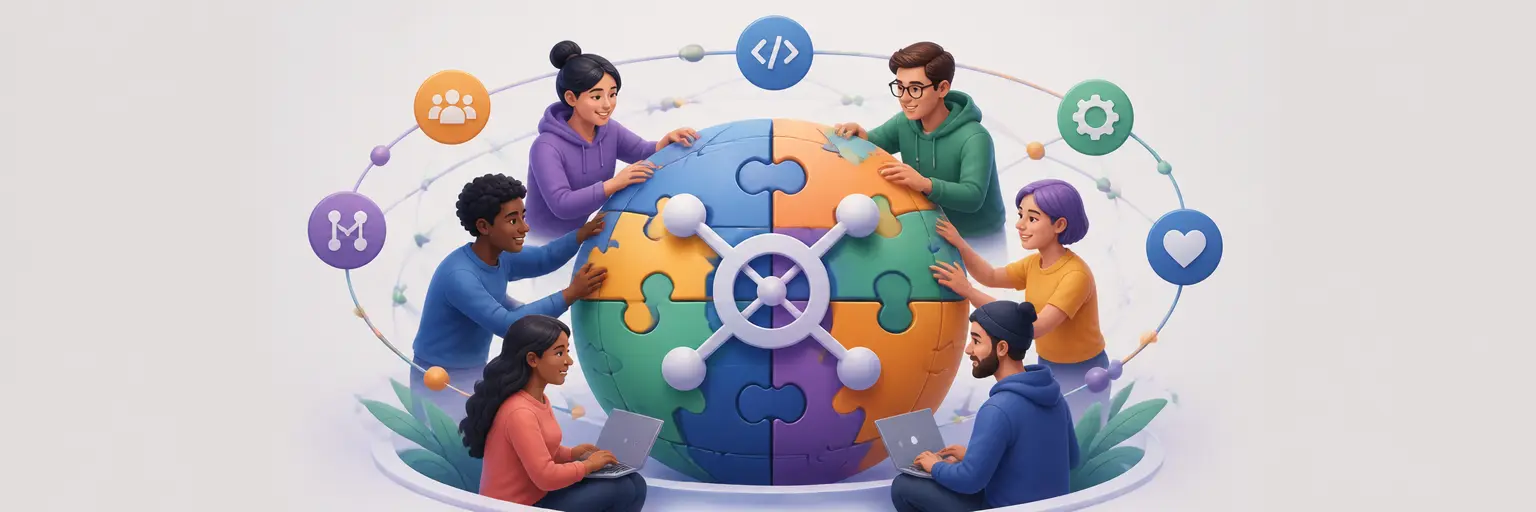
Building an open source community requires more than publishing code on GitHub or GitLab. Successful projects create a welcoming environment where developers, maintainers, documentation writers, designers, testers, and users can collaborate effectively. This subcategory from Git and Version Control Hub explores practical strategies for growing, engaging, and retaining an open source community through clear communication, contributor-friendly workflows, and sustainable project governance.
🌱 Attracting New Open Source Contributors
Learn how to make an open source project easier to discover and more inviting for first-time contributors. Topics include writing clear project descriptions, optimizing README files, explaining the project’s purpose, and using relevant keywords to reach developers searching for open source collaboration opportunities.
Readers will also discover how to create approachable contribution paths with good first issue labels, beginner-friendly tasks, contribution guides, and helpful onboarding documentation. A clear development setup, predictable Git workflow, and transparent expectations can significantly improve contributor conversion and help new community members become active participants.
🤝 Creating an Inclusive and Welcoming Community
A healthy open source community depends on respectful communication and a strong culture of inclusion. This section explains how to create and maintain a code of conduct, establish community guidelines, and support contributors from different technical backgrounds, time zones, experience levels, and professional environments.
You will learn how inclusive issue discussions, thoughtful pull request reviews, accessible documentation, and patient mentorship contribute to long-term community growth. Psychological safety encourages people to ask questions, report problems, and share ideas without fear of unnecessary criticism or exclusion.
📚 Improving Documentation and Contributor Onboarding
Documentation is one of the most important community-building tools in an open source project. Explore how to organize README content, installation instructions, developer guides, API references, troubleshooting resources, and contribution documentation so that users and contributors can find answers quickly.
Effective onboarding should explain how to clone a repository, create a Git branch, make changes, run tests, commit code, and submit a pull request. By providing step-by-step contributor onboarding, maintainers reduce friction and help new developers make valuable contributions sooner.
💬 Engaging Contributors Through Communication
Open source communities grow when contributors feel informed and connected. Learn how to use GitHub Discussions, issue trackers, chat platforms, mailing lists, newsletters, community calls, and project updates to share announcements, gather feedback, and coordinate development work.
Consistent communication also helps prevent misunderstandings around priorities, releases, breaking changes, and project direction. Readers will discover how regular updates, transparent decision-making, and responsive maintainer communication can build trust and contributor engagement over time.
🛠️ Designing Effective Git and GitHub Workflows
A well-designed Git workflow makes collaboration easier for both occasional and regular contributors. This section covers branching strategies, pull requests, code review practices, commit conventions, issue templates, labels, release management, and automation for open source repositories.
Projects can improve participation by keeping contribution processes simple and predictable. Clear rules for branch naming, commit messages, testing, rebasing, merging, and resolving conflicts allow contributors to focus on solving problems instead of navigating confusing repository procedures.
🎯 Building a Contributor Recognition Program
Recognition is a powerful way to show appreciation for open source contributions. Learn how to acknowledge code contributors, documentation writers, issue reporters, translators, designers, community moderators, testers, and advocates through release notes, contributor lists, badges, social media mentions, and community events.
Meaningful recognition should reflect the many forms of work that sustain an open source project. Consistent and authentic appreciation improves morale, encourages repeat contributions, and helps build a community where members feel that their time and expertise are valued.
🌍 Growing an Open Source Community Sustainably
Rapid growth is not always the same as healthy growth. This section explains how to build sustainable community systems with maintainers, moderators, documented responsibilities, contributor pathways, and realistic project roadmaps. It also examines how to avoid maintainer burnout and distribute leadership across the community.
Sustainable communities use measurable goals such as contributor retention, pull request activity, issue response time, documentation participation, and successful releases. By combining community analytics with human feedback, project leaders can improve engagement without sacrificing quality or contributor well-being.
🔐 Managing Trust, Safety, and Community Governance
Open source governance defines how decisions are made, conflicts are resolved, and project responsibilities are shared. Discover approaches such as benevolent dictator models, maintainer teams, steering committees, working groups, and community voting processes.
Strong governance provides clarity when projects face disagreements, security concerns, licensing questions, or major technical changes. Transparent policies for moderation, security reporting, access permissions, and contributor behavior help protect the project and create a more dependable collaboration environment.
❓ Frequently Asked Questions About Building Open Source Communities
What is the best way to attract contributors to an open source project?
Start with a clear project purpose, a well-organized README, simple installation instructions, and a detailed contribution guide. Use good first issue labels, explain the required skills, and respond respectfully to questions. Promoting the project through developer communities, social media, newsletters, and relevant forums can also increase visibility.
How can I make my GitHub repository more beginner-friendly?
Provide an accessible README, a code of conduct, contribution guidelines, issue templates, development setup instructions, testing commands, and examples of successful pull requests. Label appropriate tasks for beginners and explain the complete Git workflow, including branching, committing, pushing, and opening a pull request.
How do open source maintainers keep contributors engaged?
Maintainers can improve engagement by offering meaningful tasks, giving timely feedback, reviewing pull requests constructively, recognizing contributions, and communicating project priorities. Regular releases, community meetings, progress updates, and opportunities for contributors to take ownership also support long-term participation.
Why is documentation important for open source community growth?
Good documentation reduces barriers for users and contributors. It helps people understand the project, install it correctly, solve common problems, and contribute with confidence. Clear documentation also reduces repetitive maintainer support work and makes the community more scalable.
How can an open source community prevent maintainer burnout?
Maintainers should define realistic project goals, automate repetitive tasks, share responsibilities, document important processes, and establish a healthy review schedule. Building a broader maintainer team and empowering trusted contributors creates distributed project leadership and makes the community less dependent on a single person.