Pull Requests 101: How to Submit Your Code to Open Source
Mastering Git? Learn how to create pull requests and contribute to open source projects. GitAndVersionControlHub.com provides comprehensive tutorials on Git, from basics…
Read article
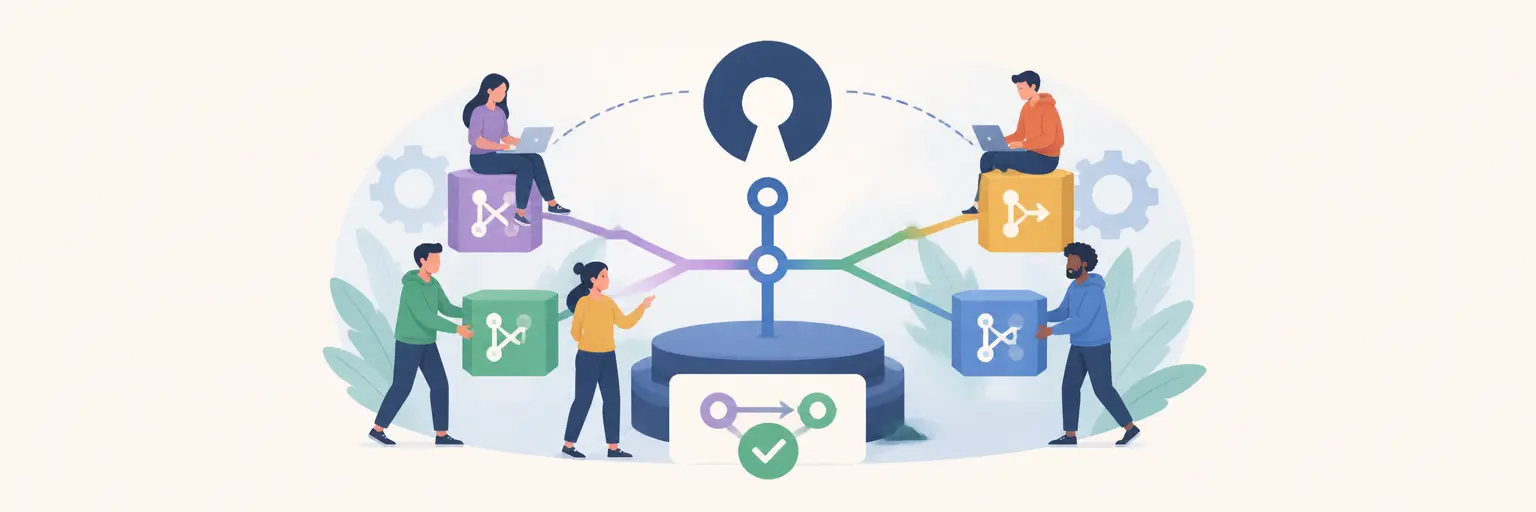
🚀 Learn how to contribute confidently to open-source projects with practical guidance on forking repositories, creating focused branches, writing clear commits, and submitting effective pull requests. Discover essential community guidelines, code review etiquette, issue discussions, and collaboration best practices for GitHub and GitLab. Whether you’re a beginner or an experienced developer, build stronger workflows, communicate effectively, and make meaningful contributions to open source with Git.

Mastering Git? Learn how to create pull requests and contribute to open source projects. GitAndVersionControlHub.com provides comprehensive tutorials on Git, from basics…
Read article
Mastering Git is crucial for open-source maintainers. GitAndVersionControlHub.com provides comprehensive tutorials, from basic commands to advanced strategies like branching and merging, empowering…
Read article
Unlock your open-source potential with GitAndVersionControlHub.com! Master advanced Git collaboration techniques and streamline your workflows with our expert tutorials, covering everything from…
Read article
Choosing between GitLab and GitHub for open source contributions? GitAndVersionControlHub.com offers a comprehensive GitLab vs. GitHub comparison to help you select the…
Read article
Master GitHub's collaborative workflow with GitAndVersionControlHub.com's expert tutorial. Learn forking, pull requests, and efficient teamwork using GitHub for open-source projects. Elevate your…
Read article
Understanding open source licensing is crucial before contributing to Git projects. GitAndVersionControlHub.com provides the knowledge you need to navigate licensing complexities and…
Read article
GitAndVersionControlHub.com explores the exciting future trends in open source Git, examining emerging collaborative tools and techniques to boost your development workflow. Master…
Read article
Mastering the Git forking process is your gateway to open source contributions. GitAndVersionControlHub.com provides comprehensive tutorials to guide you through every step,…
Read article
GitAndVersionControlHub.com explores the future of collaborative coding with insightful articles on open-source Git innovations. Learn advanced techniques and optimize your workflow today!
Read article
Unlock the power of Git for your open-source project! GitAndVersionControlHub.com reveals effective Git open source collaboration strategies, boosting team productivity and streamlining…
Read article
Mastering Git's branching strategies is crucial. GitAndVersionControlHub.com clarifies the "fork vs. branch in Git" dilemma, guiding open-source contributors on when to fork…
Read article
Mastering effective open source contribution requires understanding community guidelines. GitAndVersionControlHub.com provides the Git expertise to navigate collaborative development, from basic commands to…
Read articleWelcome to the Contributing to Open Source subcategory on GitAndVersionControlHub.com, your practical resource for learning how to participate in collaborative software projects. Explore clear, step-by-step guidance on forking repositories, creating Git branches, making meaningful commits, opening pull requests, responding to code reviews, and following open source community guidelines. Whether you are a beginner making your first contribution or an experienced developer improving a team workflow, these tutorials will help you use Git, GitHub, and GitLab with confidence while building positive relationships with maintainers and contributors.
Discover how repository forking creates a personal copy of an open source project where you can experiment safely without changing the original codebase. You will learn how to fork a repository on GitHub or GitLab, clone it locally, configure remote repositories, and keep your fork synchronized with the upstream project. These essential Git workflows are useful for documentation fixes, bug patches, feature development, and beginner-friendly open source contributions.
Our guides explain important concepts such as origin, upstream, branches, remotes, and repository permissions. You can expect practical commands and recommendations for maintaining a clean fork, avoiding unnecessary divergence, and preparing your changes for review. This foundation makes it easier to contribute confidently to open source projects of every size.
Learn why every open source contribution should usually begin in a dedicated Git branch. Tutorials in this section cover creating descriptive branches, selecting an appropriate base branch, updating your local repository, and isolating one feature, bug fix, or documentation improvement per contribution. A focused branch makes your work easier to test, review, revise, and merge.
You will also learn branch naming conventions, safe synchronization practices, and how to avoid making changes directly on the default branch. With a well-organized branch workflow, your pull requests remain focused and maintainers can understand exactly what problem your contribution solves. Small, reviewable changes are often the fastest path to a successful open source contribution.
Understand how high-quality Git commits improve collaboration in open source software development. Learn how to review modified files, stage changes selectively, write informative commit messages, and avoid including unrelated edits, generated files, secrets, or temporary debugging code. These practices help maintainers understand the history and purpose of your contribution.
Guides also cover checking your work with Git diff, running tests, formatting code, updating documentation, and reviewing the final branch before submission. You will learn when to amend commits, when to create additional commits, and how to use interactive rebase responsibly. The goal is a clean and trustworthy contribution that follows the project’s technical standards.
Find out how to create a pull request, also called a merge request on GitLab, that gives maintainers the information they need. Learn how to choose the correct base and compare branches, write a useful title, describe the problem, explain your solution, link related issues, and include testing details. A complete pull request description increases the chance of receiving a fast and constructive review.
These tutorials explain how to respond to automated checks, continuous integration results, reviewer comments, and requested changes. You will also learn how to update a pull request without losing context, resolve merge conflicts, and understand common review states. By following a consistent GitHub pull request workflow, you can make your contribution easier to evaluate and merge.
Code review is a central part of open source collaboration. Learn how to read reviewer feedback carefully, distinguish required changes from suggestions, and respond professionally when you disagree. This section covers review comments, approval workflows, suggested changes, follow-up commits, and effective communication with project maintainers.
You will also discover how to review someone else’s pull request respectfully and constructively. Expect guidance on identifying bugs, testing behavior, checking maintainability, and explaining feedback with clear examples. Good code review is collaborative problem-solving, not personal criticism, and these skills are valuable in both open source and professional development teams.
Successful contributors do more than submit working code; they understand and respect the culture of the project. Learn how to read a repository’s README, CONTRIBUTING file, code of conduct, license, issue templates, and pull request template before making changes. These documents often explain supported versions, testing requirements, communication channels, commit conventions, and maintainer expectations.
This section also covers respectful communication, inclusive participation, issue etiquette, attribution, licensing awareness, and responsible disclosure of security vulnerabilities. You will learn how to search existing issues, ask useful questions, avoid duplicate reports, and respect project decisions. Following community guidelines demonstrates professionalism and helps create welcoming open source communities.
Open source contributions can involve merge conflicts, failed automated tests, outdated branches, permission errors, and unexpected build results. Learn how to diagnose these problems with Git status, Git log, Git diff, fetch, merge, rebase, and conflict-resolution workflows. Clear troubleshooting steps help you recover from mistakes while protecting your local work and preserving project history.
You will also find advice for handling rejected pull requests, stale branches, failed CI/CD checks, and changes that no longer apply cleanly. Instead of guessing, you will learn how to reproduce failures, read logs, communicate with maintainers, and submit a focused fix. These practical skills make contributing to open source less intimidating and more efficient.
Forking creates a personal copy of a repository on a hosting platform such as GitHub or GitLab. Cloning downloads a repository from a remote server to your local computer. Contributors commonly fork the original project, clone their fork, create a branch, make changes, and open a pull request from the fork to the upstream repository.
Start by choosing a project that matches your interests and reading its README, contribution guide, and code of conduct. Look for beginner-friendly issues, set up the project locally, create a dedicated branch, make a small tested change, and submit a clear pull request. Documentation improvements, typo fixes, tests, and small bug fixes are often good starting points.
Include a concise summary, the problem being solved, an explanation of your approach, testing performed, relevant screenshots or logs, and links to related issues. Mention limitations or follow-up work when appropriate. Following the project’s pull request template is important because maintainers may require specific information before reviewing your changes.
First, update your local copy of the upstream repository and identify the conflicting files. Merge or rebase the latest target branch into your contribution branch, resolve conflicts carefully, review the result, run tests, and push the updated branch. If you are unsure about the project’s preferred workflow, ask maintainers before rewriting shared history.
Read the feedback objectively and focus on the technical issue rather than the wording. Thank the reviewer, ask clarifying questions when necessary, explain your reasoning respectfully, and make requested changes in focused commits. If you disagree, support your position with evidence such as tests, documentation, or project requirements while remaining open to the maintainer’s final decision.