⚖️ Legal Aspects of Open Source: Licensing, Contributions, and Compliance
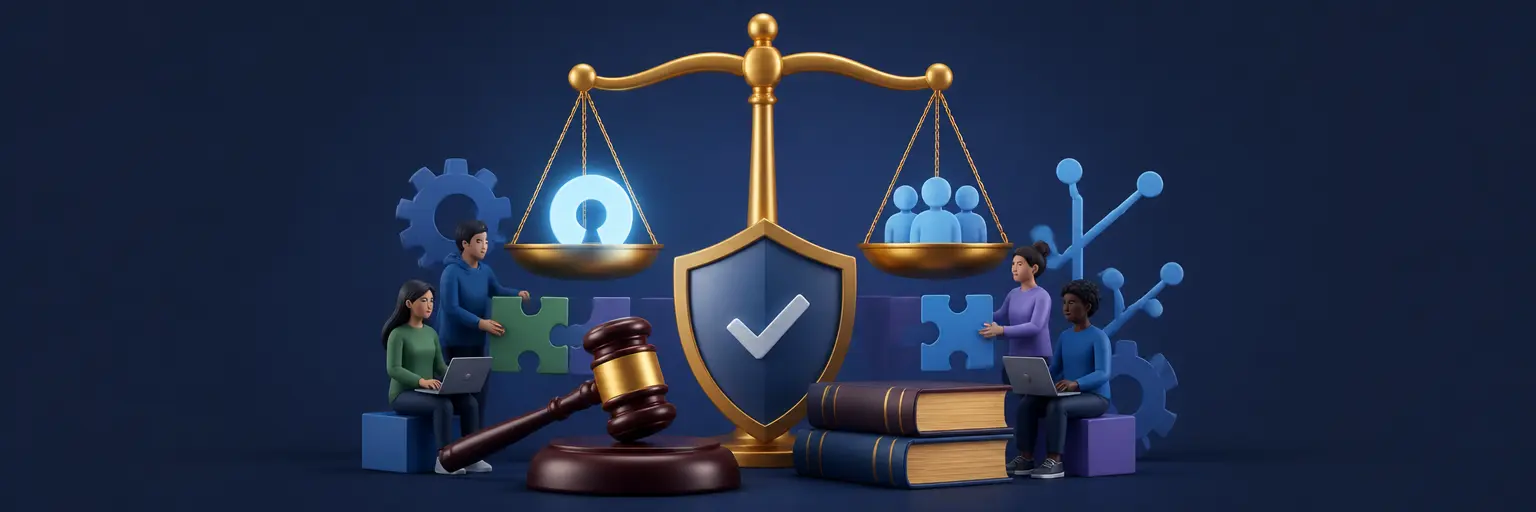
Open source software enables developers to collaborate, share code, and build powerful projects with Git, GitHub, and GitLab. However, every open source repository also involves important legal considerations. This subcategory explains open source licenses, copyright, contributor rights, trademarks, patents, attribution requirements, and compliance practices for developers, maintainers, organizations, and software teams. Learn how to contribute responsibly, protect intellectual property, and manage legal risk throughout the software development lifecycle.
📜 Understanding Open Source Software Licenses
Open source licenses define how software may be used, copied, modified, distributed, and combined with other code. Readers can expect clear explanations of popular licenses such as MIT, Apache 2.0, GPL, LGPL, AGPL, BSD, and MPL, including the practical differences between permissive and copyleft licensing models.
This section also explains how to identify a repository’s license using its LICENSE file, README documentation, package metadata, or Git hosting platform. You will learn why “open source” does not mean “copyright-free” and how license conditions can affect commercial applications, SaaS products, mobile apps, libraries, and internal business software.
🔍 Copyright and Ownership in Git Repositories
Copyright generally protects original source code, documentation, artwork, configuration files, and other creative works included in a project. This section explores who owns code committed to a Git repository, how ownership may be affected by employment agreements, contractor contracts, work-for-hire rules, and contributions from multiple developers.
Readers will learn how Git history can help document authorship, contribution dates, and code provenance. You will also discover why maintaining accurate copyright notices, preserving license headers, and reviewing imported code are important parts of open source governance and intellectual property management.
🤝 Legal Responsibilities for Open Source Contributions
Contributing to an open source project involves more than submitting a pull request. Contributors should understand the project license, contribution guidelines, code ownership policies, and any required Contributor License Agreement (CLA) or Developer Certificate of Origin (DCO).
This section covers practical legal questions surrounding Git commits, pull requests, patches, documentation, bug reports, and code reviews. You will learn how to confirm that you have the right to submit code, avoid copying restricted material, and follow project-specific contribution procedures before merging changes.
🧾 Contributor License Agreements and DCO Sign-Off
A CLA may grant project maintainers or an organization specific rights to use, relicense, or distribute a contribution. A DCO typically requires contributors to certify that they created the work or have permission to submit it under the project’s license. Readers will learn how these mechanisms work in GitHub and GitLab workflows.
You will also discover how signed commits, sign-off lines, automated checks, and contributor agreements support open source compliance. Understanding these requirements helps prevent rejected pull requests, unclear ownership, and disputes over contribution rights.
🔗 License Compatibility and Dependency Management
Modern applications often combine dozens or thousands of open source dependencies. This section explains why license compatibility matters when integrating libraries, frameworks, containers, code snippets, and transitive dependencies into a project managed with Git.
Expect practical guidance on creating a software bill of materials (SBOM), reviewing dependency licenses, tracking version changes, and identifying obligations before distribution. You will also learn why combining code under incompatible licenses can create legal and operational problems for commercial and open source projects.
🛡️ Open Source Compliance for Teams and Organizations
Organizations need repeatable processes for reviewing, approving, documenting, and monitoring open source software. This section explains how development teams can build an open source policy covering dependency approval, license scanning, attribution, security updates, contribution rules, and release management.
Readers will find strategies for integrating compliance into Git workflows and CI/CD pipelines. Automated license scanners, dependency management tools, pull request checks, and repository templates can help teams identify issues early while supporting faster and more reliable software delivery.
™️ Trademarks, Branding, and Project Names
Open source licensing usually governs software copyright, but it does not automatically grant permission to use project names, logos, or trademarks. This section explains the difference between copyright permissions and trademark rights, especially when redistributing software, creating commercial services, or publishing modified versions.
You will learn how trademark policies can affect product naming, marketing materials, GitHub organization names, package registries, documentation, and forks. Clear branding practices help contributors and companies avoid suggesting official endorsement where none exists.
🧬 Patents and Open Source Software
Some open source licenses include patent grants, while others provide limited or no explicit patent protection. This section introduces the relationship between software patents, patent retaliation clauses, patent licenses, and open source distribution.
Readers can expect practical guidance on why patent language matters when selecting a license or using a dependency. The content also explains why developers should escalate potential patent concerns to qualified legal professionals rather than relying solely on repository documentation or informal community advice.
🚨 Security, Liability, and Legal Risk
Open source projects may include disclaimers stating that software is provided “as is” without warranties. This section discusses warranties, limitations of liability, indemnification, security vulnerabilities, and the risks associated with distributing or deploying third-party code.
You will learn how clear documentation, vulnerability disclosure procedures, secure Git practices, and timely dependency updates can reduce operational and legal exposure. These practices are especially important for projects used in healthcare, finance, government, infrastructure, and other regulated environments.
🌍 International Open Source Considerations
Open source projects often involve contributors, users, and organizations located in different countries. This section explores how copyright rules, export controls, privacy laws, sanctions, and data protection requirements may affect international collaboration through GitHub, GitLab, and other platforms.
Readers will gain a practical understanding of why a project’s legal obligations may vary depending on where software is developed, hosted, distributed, or used. International projects should establish clear policies and seek professional advice when operating across multiple jurisdictions.
✅ Best Practices for Legally Safer Open Source Workflows
A legally responsible Git workflow begins with knowing the license before cloning, forking, modifying, or redistributing a repository. This section provides a practical checklist covering license files, attribution notices, dependency reviews, contribution agreements, commit records, and release documentation.
You will also learn how to make legal review part of everyday collaboration through pull request templates, automated compliance checks, repository policies, and documented approval processes. These steps support responsible open source development without unnecessarily slowing innovation.
❓ Frequently Asked Questions About Open Source Legal Considerations
What does an open source license allow me to do?
An open source license explains whether you may use, modify, copy, distribute, and commercially exploit the software. Permissions vary by license, and most licenses still require conditions such as preserving copyright notices, including the license text, or publishing modifications under specific terms.
Can I use MIT-licensed code in a commercial product?
Generally, the MIT License permits commercial use, modification, and distribution, provided that the copyright notice and license text are retained. You should still review all dependencies because a project may include components governed by different licenses.
What is the difference between a CLA and a DCO?
A CLA is an agreement that grants defined rights to project maintainers or an organization regarding contributions. A DCO is usually a certification that the contributor has the right to submit the work under the project’s license. The exact legal effect depends on the project’s wording and applicable law.
Does publishing code on GitHub make it free to use?
No. Publicly visible code remains protected by copyright unless its author grants permissions through an applicable open source license or another explicit authorization. If a repository has no license, users generally should not assume they can copy, modify, or redistribute its code.
Should developers obtain legal advice before using open source software?
Developers should consult a qualified legal professional when license obligations, ownership, patents, compliance requirements, commercial distribution, or regulatory issues are unclear. Technical documentation and automated tools are useful for initial reviews, but they do not replace professional legal advice.