🔐 Top Security Tools for Git Repositories
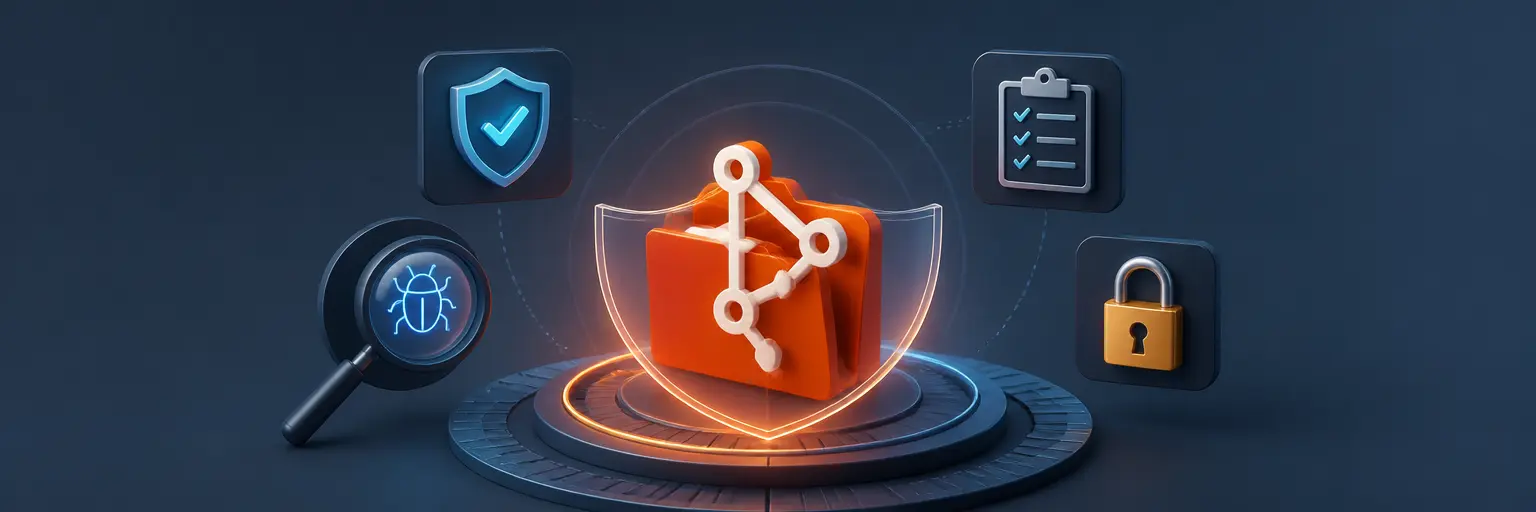
Secure your source code, repositories, and software delivery workflow with the best Git security tools. This subcategory from Git and Version Control Hub explores security scanners, repository audit tools, access control solutions, secret detection platforms, dependency analyzers, and CI/CD security integrations for GitHub, GitLab, Bitbucket, and other Git-based environments. Whether you are an individual developer, DevOps engineer, security professional, or engineering leader, you will find practical guidance for protecting code, credentials, branches, pull requests, and deployment pipelines.
🛡️ Git Repository Security Scanners
Discover how Git repository security scanners identify vulnerabilities in source code, configuration files, infrastructure definitions, and build scripts. These tools can support static application security testing, software composition analysis, container scanning, and infrastructure-as-code security checks, helping teams detect risks before code reaches production.
Readers can compare scanner capabilities, supported programming languages, GitHub and GitLab integrations, reporting features, and CI/CD compatibility. Learn how to configure automated security scans for pull requests and commits while reducing false positives and prioritizing vulnerabilities based on severity, exploitability, and business impact.
🔍 Repository Audit and Compliance Tools
Repository audit tools provide visibility into code changes, user activity, permissions, branch protection, pull request history, and security policy compliance. This section covers solutions for reviewing Git activity, tracking administrative actions, identifying risky repository settings, and generating audit evidence for internal governance or regulatory requirements.
Expect practical advice on creating effective Git audit processes for development teams. Learn how audit logs, access reviews, signed commits, protected branches, approval rules, and security dashboards can improve accountability across GitHub organizations, GitLab groups, enterprise repositories, and self-hosted Git platforms.
🔑 Access Control and Identity Management
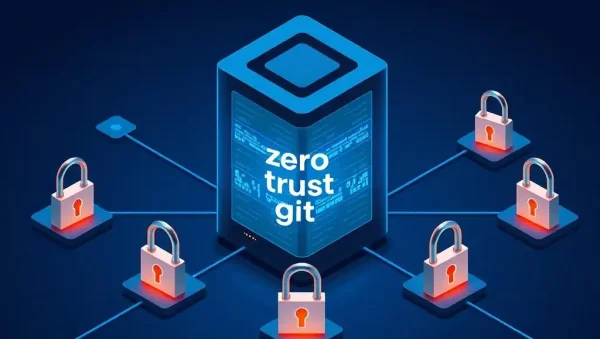
Strong identity and access management is essential for protecting Git repositories from unauthorized access. Explore role-based access control, least-privilege permissions, single sign-on, multi-factor authentication, SSH key management, personal access tokens, service accounts, and organization-level security policies.
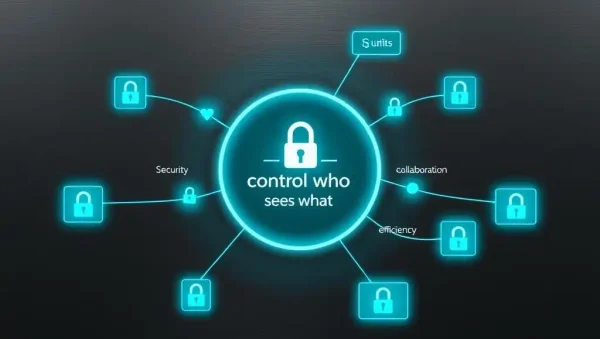
This section explains how to design secure repository permissions for developers, reviewers, administrators, contractors, and automated systems. Readers will learn how Git access control solutions reduce insider risk, limit accidental changes, protect sensitive branches, and support secure collaboration without creating unnecessary friction for development teams.
🚨 Secret Detection and Credential Protection
Leaked passwords, API keys, cloud credentials, private certificates, and access tokens can expose an entire software environment. Learn how Git secret scanning tools inspect commits, branches, pull requests, and repository history to detect credentials before attackers can use them.
Readers can explore pre-commit hooks, push protection, historical repository scanning, credential revocation, and secure secret storage. The content also explains why deleting a secret from the latest commit is not enough and how to respond when sensitive information has already entered Git history.
📦 Dependency and Supply Chain Security
Modern applications depend on open-source packages, containers, plugins, and third-party services. Dependency security tools help identify vulnerable libraries, outdated packages, license risks, malicious components, and transitive dependencies within Git repositories and build environments.
Learn how to combine software composition analysis, dependency update automation, lockfile validation, vulnerability monitoring, and build verification. These practices help development teams strengthen the software supply chain while maintaining reliable Git workflows and predictable release cycles.
⚙️ Git Security in CI/CD Pipelines
CI/CD pipelines can automatically test and deploy code, but they may also expose credentials, permissions, and production systems when poorly configured. This section covers security checks for GitHub Actions, GitLab CI/CD, Jenkins, and other automation platforms connected to Git repositories.
Expect guidance on securing pipeline variables, protecting deployment environments, restricting workflow permissions, reviewing third-party actions, validating pull requests, and separating build and release privileges. A well-designed secure Git CI/CD pipeline makes security testing repeatable without slowing down delivery.
✅ Best Practices for Choosing Git Security Tools
Selecting the right Git security software depends on repository size, programming languages, hosting platform, compliance requirements, development workflow, and available security expertise. Compare tools based on detection accuracy, integration options, remediation guidance, performance, pricing, scalability, and support for self-hosted or cloud-based Git environments.
Readers will also learn how to build a practical repository security strategy instead of relying on a single product. Combining code scanning, secret detection, dependency monitoring, access reviews, branch protection, audit logging, and developer education creates layered security throughout the software development lifecycle.
❓ Frequently Asked Questions About Git Repository Security Tools
What are Git repository security tools?
Git repository security tools are applications and services that protect source code, repository settings, credentials, dependencies, and development workflows. Common categories include code scanners, secret detection tools, dependency vulnerability analyzers, audit platforms, access control systems, and CI/CD security solutions.
Why should I scan Git repositories for secrets?
Secrets such as API keys, passwords, and cloud tokens can be exposed through commits, pull requests, or repository history. Secret scanning helps identify leaks quickly, while credential rotation, push protection, and secure secret management reduce the risk of unauthorized access.
Which access controls should a Git repository use?
Most teams should use least-privilege permissions, role-based access control, multi-factor authentication, protected branches, required reviews, and short-lived credentials where possible. Regular access reviews are also important for removing inactive users, unnecessary administrator rights, and outdated service accounts.
Can Git security tools integrate with CI/CD?
Yes. Many Git security tools integrate with GitHub Actions, GitLab CI/CD, Jenkins, Azure DevOps, and other pipeline platforms. They can scan code, dependencies, containers, infrastructure files, and secrets during commits, pull requests, builds, or release stages.
What is the best way to secure a Git repository?
The strongest approach uses multiple layers: enable multi-factor authentication, apply least-privilege access, protect important branches, scan for vulnerabilities and secrets, monitor dependencies, review audit logs, secure CI/CD credentials, and train contributors on safe Git practices. No single scanner replaces a complete repository security program.