Future of Git and Version Control 🚀
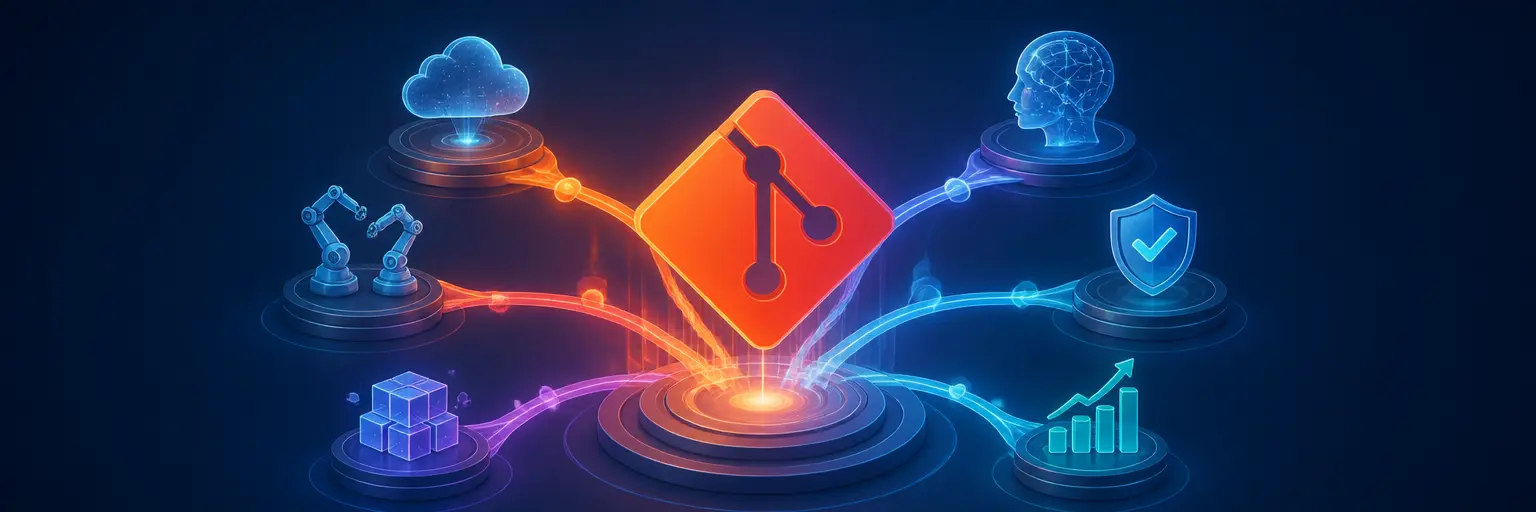
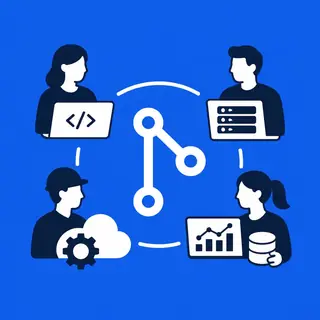
Explore the emerging trends, future tools, and technologies shaping Git, GitHub, GitLab, and modern software collaboration. This subcategory helps developers understand how version control is evolving for AI-assisted coding, cloud-native development, automation, security, and distributed teams.
🤖 AI-Powered Git Workflows
Readers can expect practical coverage of how artificial intelligence is transforming Git workflows and developer productivity. Topics may include AI-generated commit messages, automated pull request reviews, intelligent merge conflict resolution, code quality suggestions, and natural-language interfaces for repository management. These developments can help teams write clearer commits, review changes faster, and reduce repetitive maintenance work without replacing essential engineering judgment.
☁️ Cloud-Native and Distributed Version Control
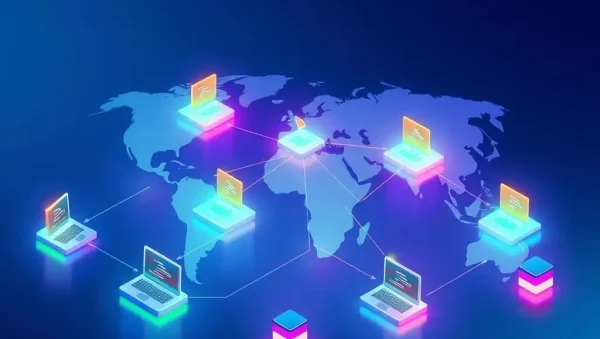
This section examines the future of cloud-based Git platforms, remote development environments, and distributed collaboration. Learn how hosted repositories, ephemeral development workspaces, edge computing, and improved synchronization are changing the way developers clone, branch, test, and deploy code. Readers will also discover how GitHub, GitLab, and emerging platforms support global teams working across multiple repositories, services, and geographic locations.
⚙️ Automation, CI/CD, and Developer Platforms
Discover how future version control tools connect Git events with continuous integration and continuous delivery. Content covers smarter pipelines, reusable workflow components, automated testing, infrastructure as code, deployment previews, and platform engineering practices. Developers can learn how emerging Git technologies make builds more reliable, shorten feedback cycles, and create repeatable delivery processes for applications, APIs, containers, and cloud infrastructure.
🔐 Security, Compliance, and Supply Chain Protection
Future-focused Git education must address software supply chain security and trustworthy code delivery. Readers can explore signed commits, verified identities, secret scanning, dependency monitoring, provenance metadata, secure build systems, and policy-based repository controls. These practices help teams detect vulnerabilities earlier, protect sensitive information, meet compliance requirements, and establish confidence in every change moving from source code to production.
🌐 New Collaboration Models and Version Control Tools
Explore emerging collaboration models that extend traditional Git branching and pull request workflows. Topics may include trunk-based development, monorepo management, stacked changes, virtual repositories, Git alternatives, and tools designed for large-scale engineering organizations. This section explains how future technologies can improve code review, reduce integration friction, and support teams building complex software with faster release schedules and increasingly distributed architectures.
Frequently Asked Questions
How will AI change Git and version control?
AI will assist with commit messages, code reviews, test generation, repository search, documentation, and merge conflict analysis. However, developers will still need to verify suggestions, protect confidential code, and understand project history. The most effective future workflows will combine AI automation with human review, secure permissions, and established Git best practices.
Will Git be replaced by newer version control systems?
Git is likely to remain widely used because of its mature ecosystem, distributed architecture, and integration with major platforms. New tools may improve performance, collaboration, monorepo handling, or user experience rather than completely replacing Git. Developers should understand Git fundamentals while evaluating specialized technologies that solve specific scalability or workflow challenges.
What future Git skills should developers learn?
Developers should strengthen Git branching, rebasing, merging, hooks, and repository administration while also learning CI/CD, cloud development, security scanning, and infrastructure automation. Familiarity with GitHub Actions, GitLab CI/CD, containers, signed commits, and AI-assisted development will be valuable for building efficient and secure modern software delivery workflows.
How will version control improve software security?
Emerging version control platforms will increasingly provide stronger identity verification, signed changes, secret detection, dependency analysis, build provenance, and policy enforcement. These features help organizations identify risky code earlier and trace how software was created. Teams should combine platform security controls with least-privilege access, protected branches, reviews, and dependable automated testing.
What role will Git play in future CI/CD pipelines?
Git will continue to act as a central source of truth for code, configuration, infrastructure, and deployment automation. Future pipelines will become more intelligent, policy-driven, and reusable, linking repository events to testing, security checks, preview environments, and production releases. This evolution will help teams achieve faster delivery while maintaining consistency, auditability, and operational control.