Emerging Trends in Version Control and Git 🚀
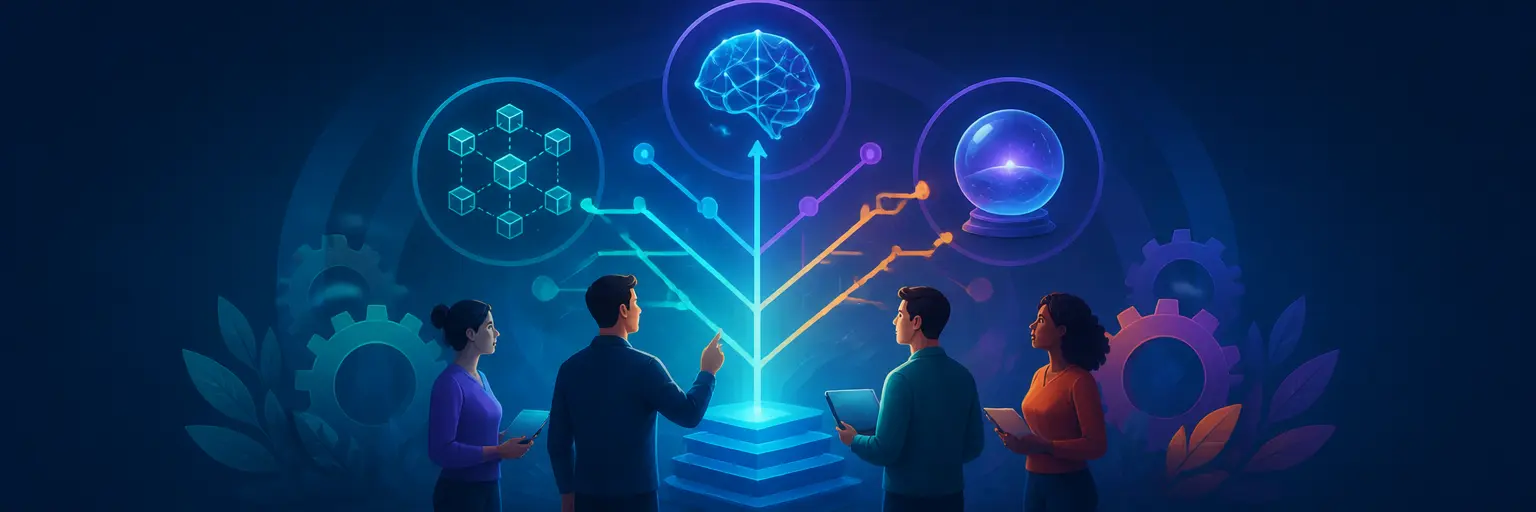
Explore how AI in version control, decentralized VCS, automation, and new collaboration models are shaping the future of Git and software development. This subcategory provides practical insights, expert predictions, and clear explanations for developers, teams, and engineering leaders preparing for the next generation of source code management.
🤖 AI in Version Control and Git Workflows
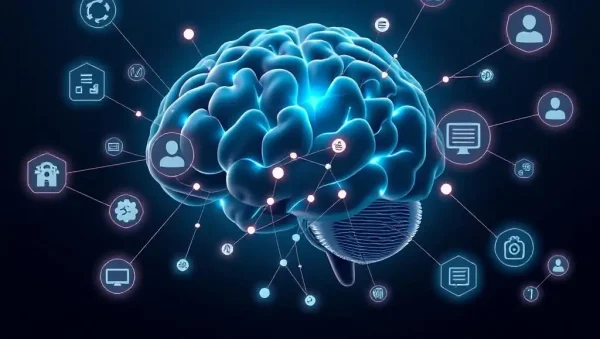
Artificial intelligence is transforming Git workflows through AI-assisted coding, commit message generation, pull request summaries, code review support, and intelligent conflict resolution. Readers can discover how machine learning tools analyze repository history, identify risky changes, recommend branches, and automate repetitive version control tasks while keeping developers in control of important decisions.
🔗 Decentralized Version Control Systems
Decentralized VCS models are expanding discussions beyond traditional centralized collaboration platforms. This section examines distributed repositories, peer-to-peer development, offline-first workflows, cryptographic identity, and improved data ownership. Learn how Git’s distributed architecture compares with emerging decentralized approaches and how these systems may support resilient, censorship-resistant, and globally collaborative software projects.
⚙️ Automation, DevOps, and Intelligent CI/CD
The future of Git is closely connected to automated testing, CI/CD pipelines, DevSecOps, and policy-driven repositories. Expect guidance on how emerging tools can connect commits, pull requests, security scans, deployment platforms, and release management. These developments help teams shorten delivery cycles, detect vulnerabilities earlier, and create more reliable software workflows from the first commit to production.
🌐 The Future of Collaboration and Code Hosting
GitHub, GitLab, and other code-hosting platforms are evolving into complete software development environments. This subcategory explores AI-powered code search, remote development, collaborative editing, repository intelligence, and integrated project management. Readers will learn how distributed teams may collaborate across time zones while maintaining transparent reviews, strong governance, and efficient communication throughout the software development lifecycle.
🔮 Predictions for Git and Software Development
Future predictions cover the changing role of developers, repository management, secure software supply chains, and next-generation developer tools. Explore whether AI will influence branching strategies, how identity and provenance may improve, and why human judgment remains essential. This forward-looking content helps individuals and organizations prepare for practical changes in Git, version control, and modern engineering practices.
Frequently Asked Questions
How is AI changing version control?
AI is helping developers generate commit messages, summarize pull requests, detect suspicious changes, suggest fixes, and identify merge conflicts. It can also analyze repository history to improve code review and release planning. However, teams should validate AI recommendations carefully, protect sensitive code, and maintain human oversight for security and architectural decisions.
What is decentralized version control?
Decentralized version control allows developers to maintain complete repository histories locally and exchange changes without depending on one central server. Git already uses a distributed model, while newer decentralized approaches may add peer-to-peer networking, stronger identity, or distributed storage. These systems can improve resilience, offline development, ownership, and collaboration across infrastructure boundaries.
Will AI replace Git and version control skills?
AI is unlikely to replace essential Git knowledge. Developers still need to understand commits, branches, merges, rebases, permissions, and repository history to verify automated actions and recover from errors. AI may reduce repetitive work, but strong version control skills remain important for debugging, collaboration, secure delivery, and maintaining trustworthy software projects.
What Git trends should development teams monitor?
Teams should monitor AI-assisted development, automated code review, software supply chain security, remote collaboration, repository analytics, improved CI/CD governance, and decentralized infrastructure. It is also valuable to track changes in GitHub and GitLab features, developer experience platforms, cryptographic signing, and tools that connect source control with testing, deployment, and compliance.
How can developers prepare for the future of Git?
Developers can prepare by mastering core Git commands, learning advanced branching and rebasing, practicing secure collaboration, and understanding CI/CD automation. Experiment with AI tools responsibly, review generated changes, and follow software supply chain best practices. Staying informed about decentralized VCS, repository security, and emerging developer platforms will support long-term adaptability.