
Common Pitfalls to Avoid in CI/CD Pipeline Monitoring

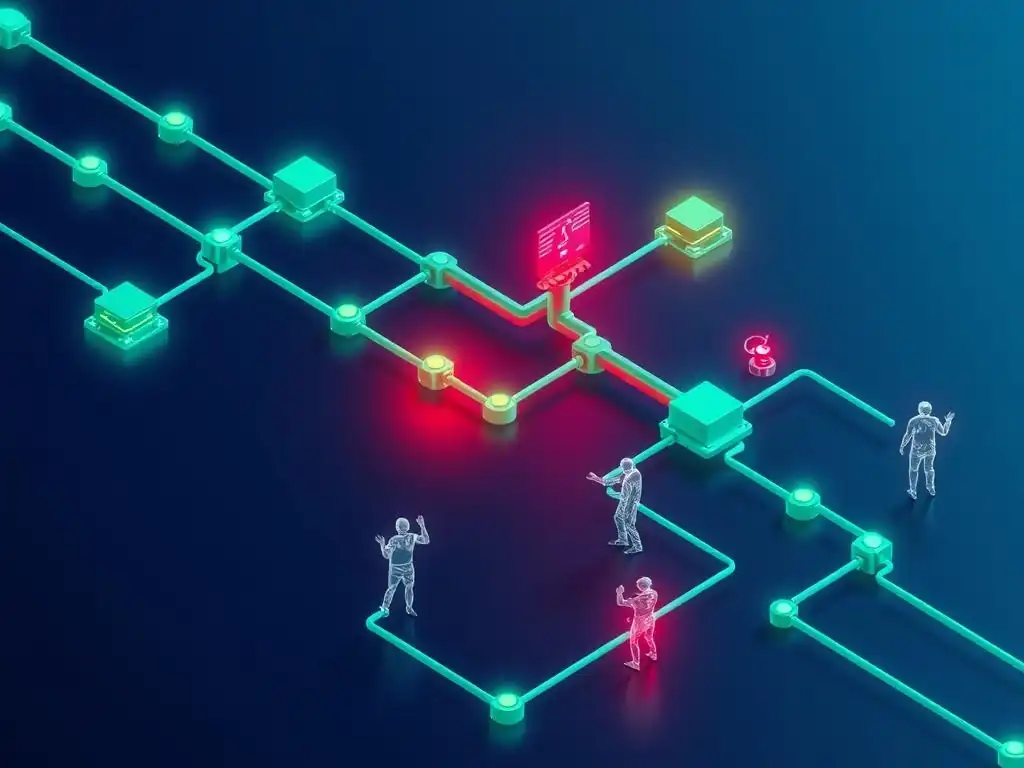
Welcome to Git and Version Control Hub, your central resource for mastering the art of version control! Dive into the world of collaborative development and efficient workflows. Are you confident you're getting the most out of your CI/CD pipelines? Discover crucial insights into CI/CD pipeline monitoring mistakes and learn how to avoid the common pitfalls that can derail your automated workflows. This article, nestled within our Automating Workflows with Git category, will arm you with the knowledge to optimize your development process. Eager to ensure your pipelines are running smoothly and efficiently? Read on to uncover the secrets!
- Introduction: Why Effective CI/CD Pipeline Monitoring is Crucial
-
Frequently Asked Questions
- What are some common mistakes developers make when monitoring CI/CD pipelines?
- Why is consistent logging so crucial for effective CI/CD pipeline monitoring?
- How can I ensure I am setting meaningful metrics for my CI/CD pipeline monitoring?
- What role does automated alerting play in preventing CI/CD pipeline monitoring mistakes?
- How important is it to integrate monitoring tools with my CI/CD pipeline?
- Final Reflection: Vigilance in the Automated Age
- Unlock the Secrets to a Flawless CI/CD Pipeline!
Introduction: Why Effective CI/CD Pipeline Monitoring is Crucial
The Importance of Monitoring for Continuous Integration and Continuous Delivery
Continuous Integration and Continuous Delivery (CI/CD) pipelines are the backbone of modern software development, enabling teams to deliver updates and features rapidly and reliably. However, the speed and complexity of these pipelines can quickly become a double-edged sword if not properly monitored. Effective monitoring is not merely an optional add-on; it's a fundamental requirement for realizing the full potential of CI/CD.
Without vigilant monitoring, teams operate in the dark, unaware of bottlenecks, failures, and inefficiencies that can cripple the entire delivery process. Imagine a high-speed production line in a factory – without sensors and gauges to track performance, quality, and potential breakdowns, the line would quickly descend into chaos, producing faulty goods and incurring significant losses. Similarly, in software development, monitoring acts as the eyes and ears of your CI/CD pipeline, providing real-time insights into its health and performance.
The benefits of robust CI/CD pipeline monitoring are multifaceted. Firstly, it significantly reduces downtime. By proactively identifying issues such as failing tests, deployment errors, or performance degradation, teams can swiftly address problems before they escalate into major outages affecting end-users.
For instance, if monitoring tools detect a sudden spike in error rates during an automated deployment, the pipeline can be automatically paused, preventing a potentially flawed release from reaching production and causing widespread disruption. Secondly, effective monitoring enhances the speed and efficiency of the delivery process. By tracking build times, test durations, and deployment frequencies, teams can pinpoint bottlenecks and areas for optimization.
For example, if the monitoring data reveals that a particular stage in the pipeline, such as integration testing, consistently takes an unusually long time, developers can investigate and streamline that stage, accelerating the overall delivery cycle. Ultimately, monitoring ensures that the CI/CD pipeline operates as a well-oiled machine, consistently delivering high-quality software at speed.
The Risks of Neglecting Pipeline Monitoring
Neglecting CI/CD pipeline monitoring is akin to driving a car without a dashboard – you might be moving forward, but you have no idea about your speed, fuel level, or engine temperature, and you are setting yourself up for potential disaster. The risks associated with inadequate monitoring are substantial and can severely undermine the advantages that CI/CD is supposed to provide. One of the primary dangers is increased deployment failures. Without monitoring, teams are essentially deploying blind, unaware of potential issues lurking within the code or infrastructure. For instance, a configuration error introduced during a build process might go unnoticed until it manifests as a critical failure in the production environment, leading to service disruptions and rollbacks. According to a study by the DevOps Research and Assessment (DORA) group, organizations with poor monitoring practices experience significantly higher failure rates in their deployments and require longer recovery times when incidents occur.
Furthermore, the absence of monitoring hinders the ability to identify and resolve performance bottlenecks. CI/CD pipelines are complex systems with numerous interconnected stages, and performance degradation can creep in at any point. Without monitoring, these bottlenecks remain invisible, slowing down the entire delivery process and impacting developer productivity. For example, a slow-running test suite or an inefficient deployment script might add hours to the pipeline execution time, causing delays in feature releases and hotfixes.
Moreover, neglecting monitoring can lead to security vulnerabilities slipping through the cracks. If security scans and vulnerability assessments are not integrated into the pipeline and their results actively monitored, vulnerable code might inadvertently be deployed to production, exposing the application to potential attacks. In essence, ignoring CI/CD pipeline monitoring not only increases the risk of failures and performance issues but also jeopardizes security and undermines the core principles of rapid, reliable, and safe software delivery.
Frequently Asked Questions
What are some common mistakes developers make when monitoring CI/CD pipelines?
Many developers fail to establish clear metrics for pipeline success, or they neglect to implement automated alerting for failures. Insufficient logging can also make troubleshooting difficult.
Why is consistent logging so crucial for effective CI/CD pipeline monitoring?
Consistent logging provides valuable insights into pipeline behavior, allowing you to quickly identify the root cause of failures. Without it, debugging becomes significantly more challenging and time-consuming.
How can I ensure I am setting meaningful metrics for my CI/CD pipeline monitoring?
Focus on metrics that directly reflect pipeline performance and impact the delivery of value. Examples include build success rate, deployment frequency, and lead time for changes.
What role does automated alerting play in preventing CI/CD pipeline monitoring mistakes?
Automated alerting allows you to react proactively to pipeline issues, minimizing the impact on development and deployment. It also helps to prevent failures from escalating into larger, more complex problems.
How important is it to integrate monitoring tools with my CI/CD pipeline?
Integration is essential for real-time visibility into pipeline health and performance. It enables you to correlate monitoring data with pipeline events, facilitating faster and more effective troubleshooting.
Final Reflection: Vigilance in the Automated Age
The insights shared throughout this article highlight a crucial truth: effective CI/CD pipeline monitoring is not merely a technical necessity, but a strategic imperative for modern software development. In today's rapidly evolving digital landscape, where speed and reliability are paramount, neglecting the nuances of pipeline monitoring can lead to costly errors, delayed releases, and ultimately, a compromised user experience. The common pitfalls discussed serve as a stark reminder that automation, while powerful, requires constant vigilance and a proactive approach to ensure its continued success.
The impact of robust CI/CD pipeline monitoring extends far beyond the immediate development cycle. It fosters a culture of continuous improvement, empowering teams to identify bottlenecks, optimize processes, and deliver higher-quality software with greater confidence. This, in turn, strengthens trust with stakeholders and allows organizations to adapt more quickly to changing market demands. The greatest mistake you can make in life is to be continually fearing you will make one.
- Elbert Hubbard. This quote underscores the importance of embracing experimentation and learning from failures, a process that is significantly enhanced by effective monitoring practices.
As you reflect on the information presented, consider how you can apply these lessons to your own CI/CD pipelines. Are you actively monitoring for the pitfalls discussed? Are you fostering a culture of proactive problem-solving within your team? The journey towards a truly optimized CI/CD pipeline is an ongoing one, but by embracing the principles of vigilance, continuous improvement, and a commitment to learning from mistakes, you can unlock the full potential of automation and deliver exceptional software experiences.
Unlock the Secrets to a Flawless CI/CD Pipeline!
Thanks for diving into the world of CI/CD pipeline monitoring with us! Now that you're equipped with the knowledge to sidestep common pitfalls, it's time to put that expertise into action and build more reliable deployments. Let's keep the momentum going and transform your pipeline from good to unstoppable.
- Immediately Audit Your Current Pipeline Monitoring Setup: Compare your existing tools and practices against the pitfalls discussed. Identify any weak points and prioritize addressing them. This is your first, critical step towards a more robust system!
- Join the Git and Version Control Hub Community: Connect with fellow developers and DevOps engineers to share your experiences, ask questions, and learn from others. Collaboration is key to continuous improvement!
- Experiment with Automated Testing Strategies: Don't just monitor; actively test! Try incorporating more sophisticated automated testing strategies (like fuzz testing) into your pipeline to catch sneaky bugs before they reach production.
What's the first concrete change you'll make to your CI/CD pipeline monitoring based on what you've learned today, and what impact do you expect it to have? Share your thoughts below!