
CloudBased Monitoring Solutions for CI/CD: AWS, Azure, GCP

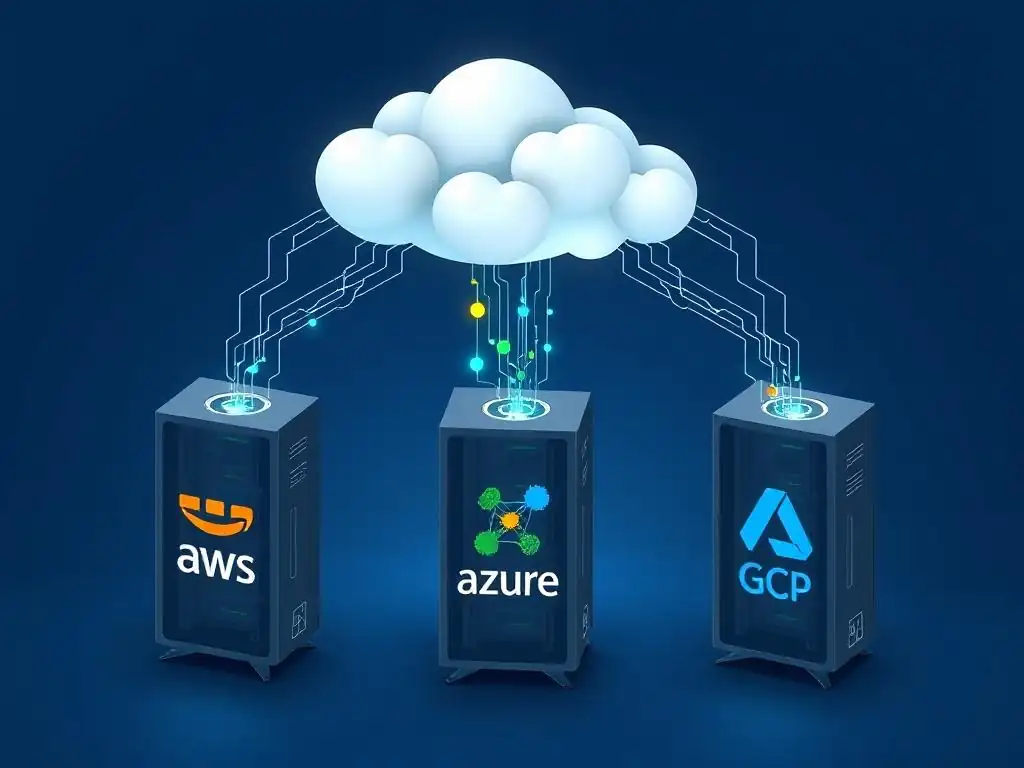
Welcome to Git and Version Control Hub, your central resource for mastering the art of collaborative code management. Are you ready to streamline your development process and enhance team efficiency? Dive into our latest article, "Cloud-Based Monitoring Solutions for CI/CD: AWS, Azure, GCP," where we unravel the complexities of CI/CD cloud monitoring tools. Discover how to optimize your workflows and proactively identify potential issues – but that's just the beginning. Curious to learn how these tools can revolutionize your continuous integration and continuous delivery pipelines? Read on to unlock the secrets to a smoother, more reliable software development lifecycle.
Cloud-Based Monitoring Solutions for CI/CD: Datadog, New Relic, and Prometheus
- Introduction to CI/CD Monitoring in the Cloud
-
Frequently Asked Questions
- What are the primary benefits of using cloud-based monitoring solutions for CI/CD pipelines?
- How does cloud-based monitoring differ from on-premise monitoring for CI/CD?
- What are the key features to look for in a CI/CD cloud monitoring tool?
- Can I integrate my existing CI/CD pipeline with cloud monitoring solutions like AWS, Azure, or GCP?
- How do cloud-based monitoring tools improve collaboration within development teams?
- Final Reflection: The Ever-Evolving Landscape of CI/CD Observability
- Unleash the Power of Continuous Insights!
Introduction to CI/CD Monitoring in the Cloud
The Importance of Monitoring CI/CD Pipelines
Continuous Integration and Continuous Delivery (CI/CD) pipelines are the backbone of modern software development, enabling rapid and reliable software releases. However, the speed and complexity of these pipelines necessitate robust monitoring to ensure smooth operations and prevent disruptions. Without proper monitoring, teams operate in the dark, unable to quickly identify bottlenecks, diagnose failures, or optimize pipeline performance.
This lack of visibility can lead to slower release cycles, increased downtime, and a higher risk of deploying faulty code to production. Effective monitoring of CI/CD pipelines is not merely a best practice; it is a critical requirement for maintaining the velocity and reliability that CI/CD promises.
Monitoring CI/CD pipelines provides invaluable insights into various aspects of the software delivery process. It allows teams to track build times, test durations, deployment frequencies, and failure rates. By analyzing these metrics, development and operations teams can proactively identify performance degradation, pinpoint error sources, and optimize resource utilization.
For example, a sudden increase in build times might indicate a bottleneck in the compilation process, while frequent test failures could highlight code quality issues or environmental inconsistencies. Real-time monitoring empowers teams to react swiftly to anomalies, minimizing downtime and ensuring a consistently high-performing CI/CD pipeline. Ultimately, comprehensive monitoring translates to faster feedback loops, improved software quality, and increased confidence in the release process.
Leveraging Cloud Platforms for Effective CI/CD Monitoring
Cloud platforms offer a compelling advantage for CI/CD monitoring due to their inherent scalability, flexibility, and integration capabilities. Traditional on-premises monitoring solutions often struggle to keep pace with the dynamic and distributed nature of cloud-native CI/CD environments. Cloud-based monitoring tools, on the other hand, are designed to handle the ephemeral and scalable infrastructure that characterizes modern CI/CD pipelines. They can seamlessly monitor resources across multiple cloud providers and regions, providing a unified view of the entire delivery process, regardless of where the components are deployed. This centralized visibility is crucial for understanding the end-to-end performance of complex CI/CD workflows.
Furthermore, cloud platforms provide a rich ecosystem of services that integrate seamlessly with CI/CD monitoring tools. For instance, many cloud providers offer managed Kubernetes services, serverless computing platforms, and container registries, all of which can be readily monitored using cloud-native monitoring solutions. The ease of integration with these services simplifies the setup and configuration of monitoring, reducing the operational overhead for development teams.
Moreover, the pay-as-you-go pricing model of cloud services makes sophisticated monitoring solutions accessible to organizations of all sizes, eliminating the need for large upfront investments in infrastructure and software licenses. By leveraging the power of the cloud, teams can implement comprehensive and cost-effective CI/CD cloud monitoring tools that scale with their growing needs.
Overview: Datadog, New Relic, and Prometheus Monitoring Capabilities
Datadog, New Relic, and Prometheus are leading cloud-based monitoring solutions that offer robust capabilities for observing CI/CD pipelines. Each tool provides a unique approach and feature set, catering to different needs and preferences within development and operations teams. Datadog is known for its comprehensive observability platform, offering infrastructure monitoring, application performance monitoring (APM), log management, and security monitoring, all within a unified interface. Its strength lies in its ease of use, extensive integrations, and rich visualization capabilities, making it a popular choice for organizations seeking a full-stack monitoring solution.
New Relic is another prominent player in the observability space, focusing on providing deep insights into application performance and user experience. New Relic APM excels at distributed tracing, allowing teams to track requests across complex microservices architectures within CI/CD pipelines. It also offers robust log management and infrastructure monitoring features, positioning itself as a comprehensive observability platform.
Prometheus, in contrast, is an open-source monitoring and alerting toolkit originally developed at SoundCloud. It is particularly well-suited for monitoring dynamic environments like Kubernetes, which are frequently used in modern CI/CD setups. Prometheus excels at collecting and storing time-series data, enabling teams to analyze trends and set up alerts based on various metrics.
While Prometheus itself focuses primarily on metrics, it is often paired with Grafana for visualization and dashboarding, creating a powerful open-source monitoring stack. These three tools represent a spectrum of options for CI/CD cloud monitoring tools, each with its own strengths and ideal use cases.
Frequently Asked Questions
What are the primary benefits of using cloud-based monitoring solutions for CI/CD pipelines?
Cloud-based solutions offer scalability, centralized monitoring, and reduced infrastructure overhead. They also provide real-time insights and automated alerts, helping to quickly identify and resolve issues.
How does cloud-based monitoring differ from on-premise monitoring for CI/CD?
Cloud-based monitoring eliminates the need for local infrastructure management, offering greater flexibility and cost-effectiveness. On-premise solutions require dedicated hardware and IT resources, making them potentially less scalable.
What are the key features to look for in a CI/CD cloud monitoring tool?
Essential features include real-time dashboards, automated alerting, log aggregation, and integration with your existing CI/CD pipeline tools. Also, consider tools with strong security features.
Can I integrate my existing CI/CD pipeline with cloud monitoring solutions like AWS, Azure, or GCP?
Yes, these platforms offer seamless integration through APIs and pre-built connectors. They support various CI/CD tools like Jenkins, GitLab CI, and CircleCI.
How do cloud-based monitoring tools improve collaboration within development teams?
They provide a centralized view of pipeline performance, making it easier for teams to identify bottlenecks and collaborate on solutions. Real-time alerts and notifications also keep everyone informed.
Okay, here's a final reflection you can use for your article "Cloud-Based Monitoring Solutions for CI/CD: AWS, Azure, GCP," optimized for the keyword "CI/CD cloud monitoring tools":
Final Reflection: The Ever-Evolving Landscape of CI/CD Observability
The relentless pace of software development demands robust CI/CD pipelines, and the need for effective CI/CD cloud monitoring tools has never been more critical. As we've explored the capabilities of AWS, Azure, and GCP, it's clear that these platforms offer powerful solutions for gaining deep insights into our deployment processes. The ability to proactively identify bottlenecks, detect anomalies, and ensure the smooth flow of code from commit to production is no longer a luxury, but a necessity for maintaining competitive advantage in today's digital landscape.
The impact of reliable CI/CD cloud monitoring extends far beyond mere technical efficiency. It fosters a culture of continuous improvement, empowers developers to iterate faster, and ultimately delivers a better experience for end-users. This shift towards proactive observability is transforming how we build and deploy software. You can't improve what you don't measure.
This adage rings especially true in the context of CI/CD, where data-driven insights are essential for optimizing performance and minimizing risks.
Now, as you navigate the complexities of CI/CD and cloud infrastructure, consider the insights shared here. Which platform best aligns with your organization's needs? How can you leverage these CI/CD cloud monitoring tools to build more resilient and efficient pipelines? Embrace the power of observability, and let data guide you towards a future of seamless deployments and exceptional software.
Unleash the Power of Continuous Insights!
Thanks for exploring cloud-based monitoring for your CI/CD pipelines! We hope you gained valuable insights into how leading cloud providers can enhance your development workflow. Now, let's put that knowledge to work.
- Integrate a new monitoring solution into your CI/CD pipeline this week. Choose a service that best complements your existing cloud infrastructure.
- Explore the documentation and advanced features of your chosen solution to uncover valuable insights into your build performance and application behavior.
- Share your experiences and best practices with your team or the GitAndVersionControlHub.com community – help others optimize their CI/CD processes.
What's the most important metric you'll track in your CI/CD pipeline, and how will it improve your development process? Share your thoughts in the comments!