
Securing Your Codebase with Pull Request Reviews: Identifying Vulnerabilities Early

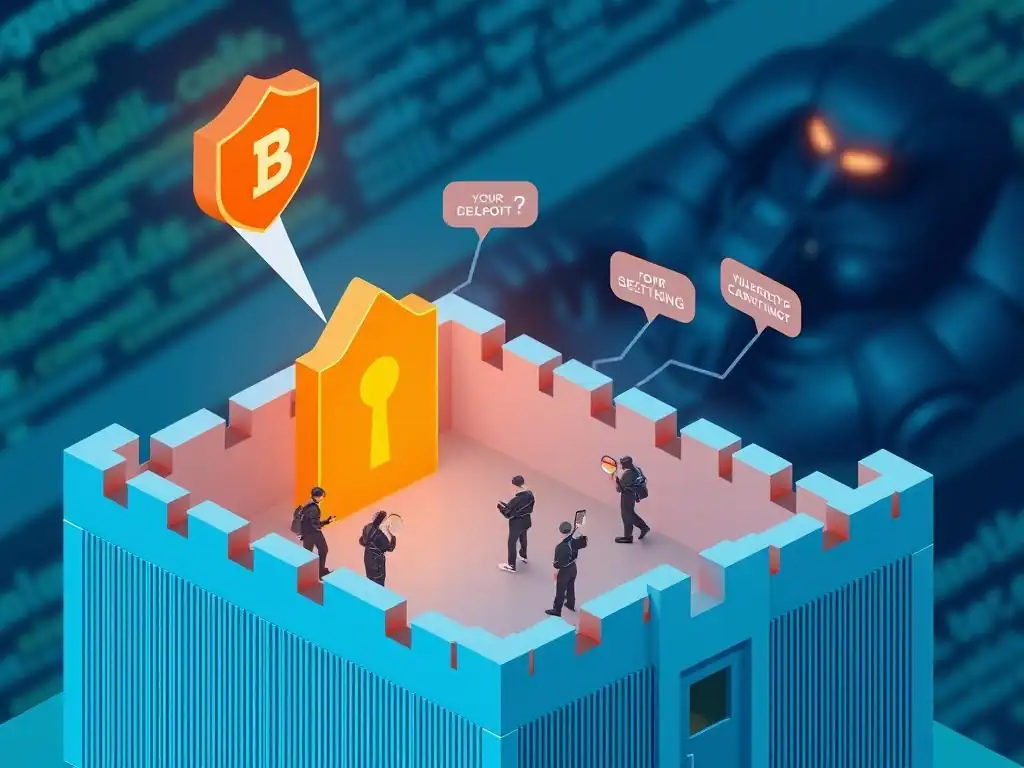
Welcome to Git and Version Control Hub!
Are you ready to elevate your code quality and fortify your software development process? Dive in and discover pull request review best practices – vital techniques for identifying vulnerabilities early and ensuring a robust codebase. Learn how to streamline your workflow, improve collaboration, and master the art of effective code review, especially within GitHub and GitLab environments. What overlooked steps could be leaving your project vulnerable? Let's find out together!
Securing Your Codebase with Pull Request Reviews: Identifying Vulnerabilities Early
- Introduction: The Importance of Code Security in Version Control
- Understanding Pull Request Reviews for Security
- Pull Request Review Best Practices for Enhanced Security
- Tools and Techniques for Effective Security-Focused Pull Request Reviews
- Common Security Vulnerabilities Identified During Pull Request Reviews
- Measuring the Effectiveness of Security-Focused Pull Request Reviews
- Advanced Pull Request Review Techniques for Security
- Conclusion: Building a More Secure Codebase Through Diligent Pull Request Reviews
-
Frequently Asked Questions
- How important are pull request reviews in securing a codebase?
- What are some key elements to check for during a pull request review focused on security?
- How can developers ensure that pull request reviews are thorough and effective?
- What is the best way to handle conflicting opinions or feedback during a pull request review?
- How often should pull request reviews be conducted for new code commits?
- Final Reflection: Embracing Proactive Security
Introduction: The Importance of Code Security in Version Control
Why Vulnerabilities Slip Through the Cracks: A Common Problem
In the fast-paced world of software development, the pressure to deliver features quickly can sometimes overshadow crucial security considerations. Developers, often working under tight deadlines, may inadvertently introduce vulnerabilities into the codebase. These vulnerabilities, ranging from minor coding errors to significant security flaws, can be easily missed during individual development phases.
For example, a study by the Consortium for Information & Software Quality (CISQ) estimated that the cost of poor quality software in the US in 2020 was approximately $2.41 trillion, a significant portion of which is attributed to security vulnerabilities. This highlights the pervasive nature and the substantial financial implications of overlooking security in the development lifecycle. Furthermore, the complexity of modern applications, often composed of numerous modules and third-party libraries, increases the surface area for potential vulnerabilities, making manual code inspection alone insufficient.
The traditional approach of relying solely on post-deployment security testing often proves inadequate and costly. Discovering vulnerabilities late in the development cycle, especially after deployment, leads to expensive remediation efforts, potential data breaches, and reputational damage. Imagine a scenario where a critical vulnerability, such as an SQL injection flaw, is discovered after a public release.
The immediate scramble to patch the system, coupled with potential service disruptions and the risk of data compromise, can be significantly more damaging than catching the same flaw during the development phase. This reactive approach contrasts sharply with the proactive security mindset that emphasizes early vulnerability detection and prevention. Therefore, integrating security checks earlier in the development pipeline is not just a best practice, but a necessity for building robust and resilient software.
How Pull Request Reviews Act as a Security Net
Pull request reviews provide a critical layer of defense against security vulnerabilities by introducing a peer review process before code changes are merged into the main codebase. This collaborative approach leverages the collective expertise of the development team to identify potential security flaws that might be missed by individual developers. Think of it as a "security net" catching vulnerabilities before they make their way into the production environment.
By having multiple pairs of eyes examine the code, the likelihood of overlooking subtle security issues significantly decreases. This proactive approach is particularly effective in identifying vulnerabilities that are context-specific or arise from complex interactions within the codebase.
Beyond simply catching errors, pull request reviews also foster a culture of security awareness within the development team. When developers know their code will be reviewed by peers with a security lens, they are more likely to consider security implications during the coding process itself. This shared responsibility for code quality and security promotes a learning environment where developers can learn from each other’s insights and improve their security practices over time.
For instance, if a reviewer consistently points out potential cross-site scripting vulnerabilities, the developer being reviewed is likely to become more conscious of input sanitization and output encoding in their future code. This continuous feedback loop contributes to a more secure development workflow and a codebase that is inherently more resilient to attacks.
Understanding Pull Request Reviews for Security
What is a Pull Request Review? A Detailed Explanation
A pull request review, often referred to as a merge request review in platforms like GitLab, is a systematic process where proposed code changes are examined by one or more team members before being integrated into the main branch of a version control system. In essence, it's a request to pull changes from a feature branch into a more stable branch, like main or develop, hence the name "pull request." This process typically begins with a developer creating a branch, implementing new features or bug fixes, and then submitting a pull request when they believe their changes are ready for integration. The pull request includes a summary of the changes, the rationale behind them, and the actual code modifications.
The core of the pull request review process is the detailed examination of the code changes by reviewers. Reviewers, who are usually other developers on the team, scrutinize the code for various aspects including functionality, code style, performance, and, crucially, security. They provide feedback directly on the pull request, highlighting potential issues, suggesting improvements, and asking clarifying questions.
This feedback loop is iterative; the original developer addresses the reviewer's comments by making further code changes and submitting updated versions of the pull request. The review process continues until the reviewers are satisfied with the quality and security of the code, at which point the pull request is approved and the changes can be merged. This collaborative and iterative nature of pull request reviews is what makes them such a powerful tool for improving code quality and security.
The Role of Pull Request Reviews in Secure Development Lifecycles (SDL)
Pull request reviews are a cornerstone of a Secure Development Lifecycle (SDL), a process designed to build security into every stage of software development. SDLs emphasize proactive security measures rather than reactive ones, and pull request reviews fit perfectly into this philosophy by enabling early detection and mitigation of security vulnerabilities.
By integrating security considerations directly into the code review process, organizations can shift security left, addressing potential issues much earlier in the development cycle when they are less costly and easier to fix. This early intervention is a key principle of SDLs, aiming to prevent vulnerabilities from ever reaching production environments.
Within an SDL, pull request reviews serve multiple security-centric purposes. They act as a verification step to ensure that code adheres to established security coding standards and best practices. They provide an opportunity to assess the security implications of new features or code changes before they are integrated into the main codebase.
Furthermore, pull request reviews facilitate knowledge sharing about security within the development team. By actively participating in security-focused reviews, developers become more attuned to common vulnerability patterns and learn how to avoid introducing them in their own code. This continuous learning and improvement cycle is central to building a robust security culture and embedding security deeply within the development process, which are core objectives of any effective SDL implementation.
Pull Request Review Best Practices for Enhanced Security
Pre-Review Checklist: Ensuring Code Readiness
Before submitting a pull request for review, developers should perform a self-review using a pre-review checklist. This crucial step ensures that the code is in a review-ready state, maximizing the efficiency and effectiveness of the peer review process.
A comprehensive pre-review checklist should include items such as: verifying that the code compiles and runs without errors, ensuring all unit tests pass, and confirming that the code adheres to the project's coding style guidelines. For security specifically, the checklist should include items like: verifying input validation for all external inputs, ensuring proper error handling is implemented, and confirming that sensitive data is not hardcoded or logged inappropriately.
Beyond these basic checks, a security-focused pre-review should also involve a quick manual scan of the code for obvious security vulnerabilities. Developers should ask themselves questions like: "Am I handling user input safely? ", "Am I properly authenticating and authorizing users? ", "Am I storing sensitive data securely?".
Addressing these fundamental security concerns before submitting a pull request can significantly reduce the workload for reviewers and increase the chances of identifying more subtle or complex vulnerabilities during the peer review. For instance, a developer might realize during their pre-review that they are directly concatenating user input into an SQL query, a clear SQL injection vulnerability, and fix it before even submitting the pull request. This proactive approach not only improves code security but also streamlines the entire review process.
Focusing on Security During Code Review: Key Areas to Examine
During a pull request review with a security focus, reviewers should concentrate on specific areas known to be common sources of vulnerabilities. This targeted approach ensures that reviews are efficient and effectively identify potential security flaws. Instead of just looking for general code quality issues, reviewers should actively search for patterns and practices that could introduce vulnerabilities. These key areas include input validation, authentication and authorization, data encryption, error handling, and dependency management, each requiring careful scrutiny during the review process. By systematically examining these areas, reviewers can significantly enhance the security posture of the codebase.
Input Validation: Preventing Injection Attacks
Input validation is paramount in preventing injection attacks, such as SQL injection and cross-site scripting (XSS). Reviewers must meticulously examine how the code handles all forms of external input, including user input from web forms, API requests, and file uploads. The primary goal is to ensure that input is validated and sanitized before being used in any security-sensitive operations.
For example, if the code processes user-provided names, reviewers should verify that there are checks in place to prevent excessively long names that could cause buffer overflows or names containing special characters that could be exploited in injection attacks. Effective input validation typically involves whitelisting allowed characters, enforcing length limits, and encoding or escaping special characters as needed.
In the context of web applications, reviewers should pay close attention to how user input is used in database queries and outputted to web pages. SQL injection vulnerabilities arise when unsanitized user input is directly incorporated into SQL queries, allowing attackers to manipulate the database. Similarly, XSS vulnerabilities occur when user input is displayed on web pages without proper encoding, enabling attackers to inject malicious scripts that execute in other users' browsers.
Reviewers should verify that parameterized queries or ORM frameworks are used to prevent SQL injection and that output encoding is consistently applied to prevent XSS. For instance, if a pull request introduces a new search feature, the reviewer should check that the search query is built using parameterized queries and that search results displayed on the page are properly encoded to prevent XSS attacks.
Authentication and Authorization: Verifying User Identity and Permissions
Authentication and authorization are critical for ensuring that only authorized users can access specific resources and perform certain actions. During pull request reviews, it's crucial to verify that authentication mechanisms are robust and that authorization logic is correctly implemented and enforced. Reviewers should examine how user identities are verified, how sessions are managed, and how access control decisions are made. Weak authentication or flawed authorization can lead to serious security breaches, allowing unauthorized access to sensitive data or critical functionalities.
Reviewers should look for common authentication vulnerabilities such as weak password policies, insecure session management, and lack of multi-factor authentication (MFA) for sensitive operations. For authorization, reviewers should verify that the code implements the principle of least privilege, granting users only the necessary permissions to perform their tasks. They should also check for authorization bypass vulnerabilities, where users can circumvent access controls and gain unauthorized access.
For example, if a pull request introduces a new administrative feature, reviewers should rigorously test that only users with administrative roles can access it and that there are no loopholes allowing regular users to gain administrative privileges. Properly implemented authentication and authorization are fundamental to maintaining the confidentiality and integrity of the application and its data.
Data Encryption: Protecting Sensitive Information
Data encryption is essential for protecting sensitive information both in transit and at rest. Pull request reviews should include an assessment of how the code handles sensitive data and whether encryption is appropriately applied. Sensitive data can include passwords, API keys, personal identifiable information (PII), financial data, and other confidential information. Reviewers should verify that sensitive data is encrypted when stored in databases or file systems and that secure communication protocols like HTTPS are used to protect data in transit.
Reviewers should check for common encryption-related vulnerabilities such as storing sensitive data in plaintext, using weak encryption algorithms, or improperly managing encryption keys. They should also verify that encryption is applied consistently and correctly throughout the application. For example, if a pull request involves storing user passwords, reviewers should confirm that passwords are hashed using strong, salted hashing algorithms and not stored in plaintext or using weak encryption methods.
Similarly, if the application transmits sensitive data over the network, reviewers should ensure that HTTPS is enforced and that TLS configurations are secure, avoiding outdated or weak cipher suites. Robust data encryption is a vital security control for protecting sensitive information from unauthorized access and disclosure.
Error Handling: Graceful Degradation and Information Disclosure Prevention
Proper error handling is not only essential for application stability but also for security. Poor error handling can lead to information disclosure vulnerabilities, where sensitive information is inadvertently revealed to users or attackers through error messages. During pull request reviews, it's crucial to examine how the code handles errors and exceptions, ensuring that error messages are informative for debugging purposes but do not expose sensitive details about the application's internal workings or data. Reviewers should aim for error handling that provides graceful degradation without compromising security.
Reviewers should look for instances where error messages might reveal sensitive information such as database connection strings, file paths, or internal system details. They should also check for situations where errors are not properly handled, potentially leading to application crashes or unpredictable behavior that could be exploited by attackers. Best practices for secure error handling include logging detailed error information for debugging purposes (preferably to secure logs not directly accessible to users), and displaying generic, user-friendly error messages to end-users that do not reveal sensitive details.
For example, instead of displaying a full stack trace to the user when a database error occurs, the application should log the detailed error internally and display a generic message like "An unexpected error occurred. Please try again later." to the user.
Dependency Management: Identifying and Mitigating Vulnerable Libraries
Modern software applications often rely on numerous third-party libraries and dependencies. These dependencies can introduce security vulnerabilities if they are outdated or contain known flaws. Pull request reviews should include a check of the project's dependencies to identify and mitigate potential risks associated with vulnerable libraries. Reviewers should verify that dependencies are up-to-date and that any known vulnerabilities in dependencies are addressed. Dependency management is a crucial aspect of maintaining a secure codebase, as vulnerabilities in third-party libraries can be easily exploited to compromise the entire application.
Reviewers can utilize dependency scanning tools to automatically identify vulnerable libraries. These tools can analyze the project's dependency manifest files (e.g., package.json, pom.xml, requirements.txt) and report any known vulnerabilities. When vulnerabilities are identified, reviewers should assess the severity of the risk and determine the appropriate remediation strategy. This might involve updating the vulnerable dependency to a patched version, replacing the dependency with a more secure alternative, or implementing workarounds to mitigate the vulnerability. For instance, if a pull request adds a new dependency, the reviewer should use a dependency scanning tool to check for known vulnerabilities in that library and ensure that the project's existing dependencies are also regularly scanned for vulnerabilities. Proactive dependency management is essential for minimizing the attack surface and maintaining the long-term security of the application.
Utilizing Static Analysis Tools in Pull Request Reviews
Static analysis tools are invaluable for enhancing the security focus of pull request reviews. These tools automatically analyze code without actually executing it, identifying potential security vulnerabilities and coding errors. Integrating static analysis tools into the pull request workflow can significantly improve the efficiency and effectiveness of security reviews, allowing reviewers to focus on more complex or nuanced security issues. Static analysis tools can detect a wide range of vulnerabilities, including common coding flaws, potential injection points, and violations of security coding standards.
Integrating Security Scanners into Your Workflow
Integrating security scanners into the pull request workflow can be achieved through various methods. Many code review platforms, like GitHub and GitLab, offer built-in static analysis capabilities or integrations with third-party security scanning tools. These integrations can automatically trigger security scans whenever a new pull request is created or updated. The results of the scans are then presented directly within the pull request interface, providing reviewers with immediate feedback on potential security issues. This seamless integration streamlines the security review process and ensures that security checks are consistently performed for every code change.
Another approach is to incorporate static analysis tools into the continuous integration (CI) pipeline. Security scans can be included as part of the CI build process, running automatically whenever code changes are pushed to the repository. If the scans detect critical security vulnerabilities, the CI pipeline can be configured to fail the build, preventing the code from being merged until the issues are resolved.
This approach provides an automated gate for security, ensuring that no code with critical vulnerabilities is introduced into the main codebase. For example, a development team might configure their CI pipeline to run a static analysis tool like SonarQube on every pull request. If SonarQube detects any high-severity security vulnerabilities, the pull request build will fail, and the developer will be notified to address the issues before the pull request can be merged.
Interpreting Static Analysis Results Effectively
While static analysis tools are powerful, it's crucial to understand that they are not a silver bullet. The results generated by these tools often include false positives (issues flagged as vulnerabilities that are not actually exploitable) and may miss certain types of vulnerabilities. Therefore, effectively interpreting static analysis results is essential for maximizing their value in pull request reviews. Reviewers need to be able to distinguish between true positives and false positives, prioritize vulnerabilities based on their severity and exploitability, and understand the context of the findings to determine the appropriate remediation steps.
Reviewers should treat static analysis results as valuable input rather than definitive judgments. They should carefully examine each flagged issue, understand why the tool flagged it, and assess whether it represents a genuine security risk in the specific context of the code. In some cases, the tool might flag a potential vulnerability that is mitigated by other security controls or is not actually exploitable in the application's environment.
In other cases, the tool might highlight a subtle but critical vulnerability that would be difficult to detect manually. Effective interpretation of static analysis results requires security expertise and a good understanding of the application's architecture and security context. By combining static analysis with human review and judgment, organizations can achieve a more comprehensive and effective security review process.
Tools and Techniques for Effective Security-Focused Pull Request Reviews
Leveraging Code Review Platforms for Security
Code review platforms like GitHub and GitLab offer features specifically designed to enhance security-focused pull request reviews. These platforms provide tools and integrations that streamline the review process, improve collaboration, and facilitate the identification and remediation of security vulnerabilities. Leveraging these platform-specific features can significantly improve the efficiency and effectiveness of security reviews.
GitHub Security Features and Pull Request Reviews
GitHub provides a range of security features that directly integrate with pull request reviews. GitHub Advanced Security, for instance, offers features like Code Scanning and Secret Scanning. Code Scanning uses static analysis to identify potential security vulnerabilities in the code within pull requests, automatically flagging issues and providing recommendations for remediation. Secret Scanning automatically detects exposed secrets, such as API keys or credentials, within the codebase, preventing accidental leakage of sensitive information. These features provide valuable automated security checks directly within the pull request workflow, enhancing the security review process.
Furthermore, GitHub's review interface itself facilitates security-focused reviews. Reviewers can leave inline comments directly on specific lines of code, making it easy to point out potential security vulnerabilities and suggest fixes. The platform also supports required reviewers, ensuring that designated security experts are included in the review process for sensitive code changes.
Branch protection rules can be configured to require successful security scans and approvals from security reviewers before pull requests can be merged, enforcing a security gate in the development workflow. By leveraging these GitHub security features, teams can build a more robust and automated security review process directly into their version control workflow.
GitLab Security Dashboards and Merge Request Reviews
GitLab similarly offers comprehensive security features integrated with its merge request review process. GitLab Ultimate includes features like Static Application Security Testing (SAST), Dynamic Application Security Testing (DAST), Dependency Scanning, and Container Scanning. These security scanners automatically analyze code, dependencies, and containers within merge requests, identifying a wide range of potential security vulnerabilities. The results are presented in GitLab's Security Dashboard, providing a centralized view of security findings across projects and merge requests.
GitLab's merge request interface facilitates collaborative security reviews with features like inline code comments, vulnerability feedback, and merge request approvals. Security teams can leverage GitLab's security policies to define mandatory security checks and approvals for merge requests, ensuring that security considerations are always addressed before code is merged. GitLab's Auto DevOps feature can also automate the integration of security scanning into the CI/CD pipeline, further streamlining the security review process. By utilizing GitLab's security features, organizations can embed security deeply within their development workflow and leverage merge request reviews as a central point for security validation and remediation.
Creating a Security Review Checklist: A Template for Success
A security review checklist provides a structured approach to ensure that all critical security aspects are considered during pull request reviews. A checklist serves as a template, guiding reviewers through key areas to examine and prompting them to consider potential vulnerabilities. This standardized approach helps to ensure consistency in security reviews across different reviewers and projects, and it reduces the risk of overlooking important security considerations. A well-designed security review checklist should be tailored to the specific needs and technologies used by the development team.
A comprehensive security review checklist might include sections covering input validation, authentication and authorization, data encryption, error handling, dependency management, and logging and monitoring. Within each section, specific checklist items should prompt reviewers to examine relevant aspects of the code. For example, under "Input Validation," checklist items might include: "Are all external inputs validated? ", "Is input validation performed on both client-side and server-side? ", "Are appropriate encoding and escaping techniques used to prevent injection attacks?".
Under "Authentication and Authorization," checklist items might include: "Is authentication implemented using secure mechanisms? ", "Is authorization logic correctly enforced for all sensitive operations? ", "Is the principle of least privilege applied?". Regularly reviewing and updating the checklist based on evolving security threats and lessons learned from past vulnerabilities ensures its continued relevance and effectiveness.
Fostering a Culture of Security Awareness within the Development Team
Ultimately, the effectiveness of security-focused pull request reviews depends on fostering a strong culture of security awareness within the development team. This culture emphasizes shared responsibility for security, encourages proactive security thinking, and promotes continuous learning and improvement in security practices. Building a security-conscious culture requires ongoing effort and commitment from both management and individual developers. It involves providing security training, promoting security best practices, and creating an environment where security is valued and prioritized.
Fostering security awareness can be achieved through various initiatives. Regular security training sessions can educate developers on common security vulnerabilities, secure coding practices, and the importance of security in the development lifecycle. Security champions programs, where designated team members take on a leadership role in promoting security, can further embed security expertise within development teams.
Sharing security knowledge and lessons learned from security incidents or vulnerability discoveries helps to continuously improve the team's security posture. Encouraging open communication and collaboration on security issues, and recognizing and rewarding security-conscious behavior, further reinforces a positive security culture. When security is ingrained in the team's mindset, pull request reviews naturally become a powerful tool for proactively identifying and mitigating security risks.
Common Security Vulnerabilities Identified During Pull Request Reviews
Pull request reviews are instrumental in identifying a wide range of security vulnerabilities before they reach production. Certain vulnerability types are more commonly discovered during these reviews due to their prevalence in code and the effectiveness of manual or automated review techniques in detecting them. Understanding these common vulnerabilities and how they manifest in code is crucial for reviewers to focus their attention and improve the effectiveness of security-focused pull request reviews.
Cross-Site Scripting (XSS) Vulnerabilities: Prevention and Detection
Cross-site scripting (XSS) vulnerabilities are a frequent finding in pull request reviews, particularly in web applications. XSS vulnerabilities occur when an application allows untrusted data, often user-provided input, to be injected into web pages without proper sanitization or encoding. This allows attackers to inject malicious scripts, which are then executed in the browsers of other users viewing the affected pages. XSS attacks can be used to steal user credentials, redirect users to malicious websites, deface websites, or perform other malicious actions.
During pull request reviews, reviewers should actively look for code that outputs user-provided data to web pages without proper encoding. This includes examining code that dynamically generates HTML, JavaScript, or CSS based on user input. Reviewers should verify that output encoding techniques, such as HTML entity encoding or JavaScript escaping, are consistently applied to prevent XSS attacks.
For example, if a pull request introduces a feature that displays user comments, reviewers should ensure that the comments are properly encoded before being displayed on the page, preventing attackers from injecting malicious scripts into comments that could then execute in other users' browsers. Detecting and preventing XSS vulnerabilities through pull request reviews is crucial for protecting users from a wide range of web-based attacks.
SQL Injection: Protecting Against Database Attacks
SQL injection vulnerabilities are another common security flaw often identified during pull request reviews. SQL injection occurs when an application fails to properly sanitize user input that is used to construct SQL queries. This allows attackers to inject malicious SQL code into the queries, potentially gaining unauthorized access to the database, modifying data, or even executing arbitrary commands on the database server. SQL injection is a critical vulnerability that can have severe consequences, including data breaches and complete compromise of the application and its data.
Reviewers should meticulously examine code that interacts with databases, focusing on how SQL queries are constructed and executed. They should verify that parameterized queries or Object-Relational Mapping (ORM) frameworks are used to prevent SQL injection. Parameterized queries separate SQL code from user-provided data, ensuring that user input is treated as data and not as executable SQL code.
Reviewers should look for instances where string concatenation is used to build SQL queries directly from user input, as this is a common source of SQL injection vulnerabilities. For instance, if a pull request introduces a new database query, reviewers should confirm that parameterized queries are used and that user input is not directly embedded into the SQL query string. Preventing SQL injection through pull request reviews is paramount for safeguarding the integrity and confidentiality of application data.
Broken Authentication: Strengthening User Security
Broken authentication vulnerabilities, which encompass weaknesses in authentication and session management, are frequently uncovered during pull request reviews. These vulnerabilities can allow attackers to impersonate legitimate users, bypass authentication mechanisms, or compromise user sessions, leading to unauthorized access to user accounts and sensitive data. Broken authentication can stem from various issues, including weak password policies, insecure session management, lack of multi-factor authentication, or flaws in authentication logic.
Reviewers should scrutinize authentication and session management code for potential weaknesses. They should verify that strong password policies are enforced, that session tokens are generated securely and protected from theft or hijacking, and that multi-factor authentication is implemented for sensitive operations. Reviewers should also check for vulnerabilities like session fixation, session hijacking, or credential stuffing attacks.
For example, if a pull request introduces changes to the login or registration functionality, reviewers should thoroughly examine the authentication logic, session management, and password handling to ensure that they are implemented securely and are resistant to common authentication attacks. Addressing broken authentication vulnerabilities during pull request reviews is essential for maintaining user account security and preventing unauthorized access.
Security Misconfiguration: Avoiding Common Pitfalls
Security misconfiguration vulnerabilities arise from insecure default configurations, incomplete or ad hoc configurations, open cloud storage, misconfigured HTTP headers, and verbose error messages containing sensitive information. These misconfigurations can expose applications to various attacks and are often easily overlooked during development but can be readily identified during pull request reviews. Security misconfigurations are often a result of oversight or lack of awareness of secure configuration best practices.
During pull request reviews, reviewers should look for potential security misconfigurations in configuration files, deployment scripts, and code that interacts with infrastructure components. They should verify that default passwords are changed, that unnecessary services or features are disabled, that appropriate access controls are configured, and that error messages are not overly verbose and do not expose sensitive information. Reviewers should also check for best practices like using secure HTTP headers (e.g., HSTS, Content-Security-Policy) and properly configuring cloud storage buckets to prevent unauthorized access.
For instance, if a pull request includes changes to server configuration files, reviewers should examine these changes for potential security misconfigurations, such as open ports, default credentials, or insecure permissions. Proactively identifying and correcting security misconfigurations during pull request reviews significantly reduces the attack surface and strengthens the overall security posture of the application.
Measuring the Effectiveness of Security-Focused Pull Request Reviews
To continuously improve the effectiveness of security-focused pull request reviews, it is essential to measure their impact and identify areas for enhancement. Metrics provide valuable insights into the performance of the review process, allowing teams to track progress, identify weaknesses, and refine their approach over time. Measuring the effectiveness of security reviews helps to justify the investment in this practice and demonstrates its tangible contribution to improving code security.
Tracking Vulnerability Detection Rates
One key metric for measuring the effectiveness of security-focused pull request reviews is the vulnerability detection rate. This metric tracks the number of security vulnerabilities identified during pull request reviews compared to the total number of vulnerabilities found in the codebase over a specific period. A higher vulnerability detection rate in pull request reviews indicates that the process is effectively catching vulnerabilities early in the development cycle, before they reach production. Tracking this metric over time can reveal trends and the impact of process improvements.
To accurately measure vulnerability detection rates, it's important to have a consistent system for tracking and classifying vulnerabilities. This could involve using a vulnerability tracking system or tagging issues in a project management tool. Vulnerabilities should be categorized by severity and origin (e.g., identified in pull request review, found during penetration testing, reported by users post-deployment).
Analyzing these data can provide insights into the types of vulnerabilities being caught by pull request reviews and the types that are still slipping through. For example, if the data shows a high detection rate for XSS and SQL injection vulnerabilities in pull request reviews, but a significant number of post-deployment security incidents related to authentication flaws, it might suggest a need to strengthen the focus on authentication during reviews.
Monitoring Security Incidents Post-Deployment
Another crucial way to measure the effectiveness of security-focused pull request reviews is by monitoring security incidents that occur post-deployment. If pull request reviews are effectively preventing vulnerabilities, there should be a reduction in the number and severity of security incidents in production. Tracking security incidents, such as data breaches, security exploits, or vulnerability reports from external sources, provides a direct measure of the real-world impact of the security review process. A decrease in post-deployment security incidents over time can be a strong indicator of the success of pull request reviews in improving code security.
To effectively monitor security incidents, organizations need robust security monitoring and incident response capabilities. Security Information and Event Management (SIEM) systems can be used to collect and analyze security logs, detect suspicious activity, and trigger alerts for potential security incidents. Regular penetration testing and vulnerability assessments can also help to identify vulnerabilities that might have slipped through the pull request review process and made it into production.
Analyzing the root cause of post-deployment security incidents is essential for identifying weaknesses in the security review process and implementing corrective actions. For example, if a post-deployment security incident is traced back to a vulnerability that could have been caught during a pull request review, the team should analyze why it was missed and update their review process and checklists to prevent similar issues in the future.
Refining Your Pull Request Review Process Based on Data
The data collected from tracking vulnerability detection rates and monitoring security incidents should be used to continuously refine the pull request review process. Data-driven insights can help identify areas where the review process is effective and areas where it needs improvement. This iterative approach to process improvement ensures that security-focused pull request reviews remain effective and adapt to evolving security threats and development practices.
Based on the data, teams can adjust their review checklists, update their training materials, and refine their static analysis tool configurations. For example, if the data shows that a particular type of vulnerability is frequently missed during reviews, the team might add specific checklist items to address that vulnerability type or provide targeted training to reviewers on how to detect it.
If static analysis tools are generating a high number of false positives for a specific type of issue, the tool configuration can be adjusted to reduce noise and improve the signal-to-noise ratio. Regularly reviewing the data and making data-driven adjustments to the pull request review process is key to maximizing its effectiveness and building a more secure codebase over time.
Advanced Pull Request Review Techniques for Security
Beyond the foundational best practices, several advanced techniques can further enhance the security focus and effectiveness of pull request reviews. These techniques often involve integrating security considerations more deeply into the development process and leveraging specialized security expertise to strengthen the review process. Implementing these advanced techniques can significantly elevate the security maturity of the development team and codebase.
Threat Modeling Integration: Identifying Potential Attack Vectors
Integrating threat modeling into the pull request review process provides a proactive approach to security by identifying potential attack vectors before code is even written. Threat modeling is a structured process for identifying, analyzing, and prioritizing potential threats to an application or system. By performing threat modeling before or during the development of new features, teams can proactively design security controls and mitigate potential risks. Integrating threat models into pull request reviews ensures that security considerations are addressed from the outset and that code changes are reviewed in the context of identified threats.
When threat modeling is integrated with pull request reviews, the threat model for a specific feature or component should be considered during the review process. Reviewers should assess whether the code changes adequately address the threats identified in the threat model. They should verify that the implemented security controls are effective in mitigating the identified risks and that no new threats are introduced by the code changes.
For example, if a threat model identifies a risk of SQL injection for a new data access feature, reviewers should specifically focus on SQL injection prevention during the pull request review, verifying that parameterized queries are used and input validation is properly implemented to mitigate this identified threat. Integrating threat modeling provides a more targeted and risk-based approach to security-focused pull request reviews.
Security Champions: Empowering Team Members to Lead Security Efforts
Establishing a security champions program within the development team can significantly enhance the effectiveness of security-focused pull request reviews. Security champions are team members who have a particular interest and expertise in security and act as advocates for security within their teams. They receive additional security training and resources and serve as a point of contact for security-related questions and guidance. Security champions play a crucial role in promoting security awareness, disseminating security knowledge, and improving the security skills of their fellow team members.
In the context of pull request reviews, security champions can act as reviewers or advisors, providing specialized security expertise and guidance to other reviewers. They can help to identify subtle or complex security vulnerabilities that might be missed by general reviewers. Security champions can also help to enforce security coding standards and best practices within their teams and promote a culture of security ownership.
For example, a security champion might be assigned as a required reviewer for pull requests that involve sensitive code changes or introduce new security-critical functionalities. By empowering team members to lead security efforts, security champions programs can create a more distributed and effective security review process.
Automating Security Checks in Pull Requests
Automating security checks within pull requests using tools and integrations can significantly improve the efficiency and consistency of security reviews. Automation reduces the manual effort required for security reviews, allowing reviewers to focus on more complex and nuanced security issues. Automated security checks can be implemented using various tools, including static analysis tools, dependency scanners, and security linters. These tools can be integrated directly into the pull request workflow, automatically running security checks whenever a new pull request is created or updated.
Automated security checks can provide immediate feedback on potential security vulnerabilities, allowing developers to address issues early in the development cycle. The results of automated checks can be presented directly within the pull request interface, providing reviewers with clear and actionable information. Automated checks can also be configured to enforce security policies, preventing pull requests from being merged if they fail to meet certain security criteria.
For example, automated static analysis tools can be configured to fail a pull request build if high-severity vulnerabilities are detected. By automating routine security checks, teams can free up reviewer time for more in-depth security analysis and ensure that basic security checks are consistently performed for every code change, leading to a more scalable and efficient security review process.
Conclusion: Building a More Secure Codebase Through Diligent Pull Request Reviews
The Long-Term Benefits of Prioritizing Security in Code Reviews
Prioritizing security in pull request reviews offers significant long-term benefits for software projects. By consistently integrating security checks into the code review process, organizations can build a more secure codebase, reduce the risk of security vulnerabilities reaching production, and minimize the potential for costly security incidents. The benefits extend beyond immediate security improvements, fostering a culture of security awareness and continuous improvement within the development team. Investing in security-focused pull request reviews is a proactive and cost-effective approach to building robust and resilient software.
Long-term benefits include reduced vulnerability remediation costs. Catching vulnerabilities early in the development cycle, during pull request reviews, is significantly less expensive than fixing them in production. Early detection prevents vulnerabilities from becoming deeply embedded in the codebase and reduces the risk of cascading effects from security fixes. Improved code quality is another benefit, as security reviews often identify not only security flaws but also general coding errors and areas for improvement.
This leads to a cleaner, more maintainable, and more reliable codebase overall. Furthermore, a strong security review process enhances the organization's reputation and builds trust with customers by demonstrating a commitment to security and data protection. These long-term benefits underscore the strategic value of prioritizing security in pull request reviews.
Future Trends: AI-Powered Security Analysis in Pull Requests
The future of security-focused pull request reviews is likely to be significantly influenced by advancements in Artificial Intelligence (AI) and Machine Learning (ML). AI-powered security analysis tools are emerging that can automate more complex security checks, improve the accuracy of vulnerability detection, and provide more intelligent guidance to reviewers. These tools have the potential to further enhance the efficiency and effectiveness of security reviews, making them even more integral to building secure software.
Future trends include AI-powered static analysis tools that can detect more sophisticated vulnerabilities with fewer false positives. ML algorithms can be trained to identify patterns and anomalies in code that are indicative of security flaws, going beyond traditional rule-based static analysis. AI can also assist in prioritizing vulnerabilities based on their exploitability and impact, helping reviewers focus on the most critical issues.
Furthermore, AI-powered code review assistants could provide real-time security feedback to developers as they write code, proactively preventing vulnerabilities from being introduced in the first place. As AI technology matures, it is expected to play an increasingly important role in automating and enhancing security analysis within pull request reviews, further strengthening the security of software development processes.
Frequently Asked Questions
How important are pull request reviews in securing a codebase?
Pull request reviews are crucial for security. They help identify vulnerabilities early in the development process, preventing them from reaching production. This proactive approach saves time and resources in the long run.
What are some key elements to check for during a pull request review focused on security?
Focus on input validation, authentication and authorization, and data handling. Also, look for common vulnerabilities like SQL injection or cross-site scripting (XSS).
How can developers ensure that pull request reviews are thorough and effective?
Establish clear coding standards and security guidelines. Utilize automated code analysis tools and encourage reviewers to ask clarifying questions.
What is the best way to handle conflicting opinions or feedback during a pull request review?
Encourage respectful discussion and constructive criticism. Focus on the code itself rather than personal opinions. Strive for consensus and document any agreed-upon changes.
How often should pull request reviews be conducted for new code commits?
Ideally, every code commit should undergo a pull request review. This ensures that all changes are scrutinized and potential issues are addressed promptly.
Final Reflection: Embracing Proactive Security
The journey through pull request review best practices underscores a critical truth: security is not an afterthought, but an integral part of the development lifecycle. In today's rapidly evolving threat landscape, waiting until the end to address vulnerabilities is a recipe for disaster. Shifting security left, embedding it within the very fabric of our coding process through diligent pull request reviews, is no longer a luxury, but a necessity for building robust and resilient software.
This emphasis on proactive security has profoundly shaped the cultural landscape of software development. It's moved us away from a reactive, fire-fighting approach to a more thoughtful, collaborative, and ultimately, more secure way of building software. This shift isn't just about finding bugs; it's about fostering a culture of shared responsibility and continuous learning. An ounce of prevention is worth a pound of cure.
This adage rings especially true in the context of software security, where a small oversight can have catastrophic consequences.
Now, as you close this article, consider how you can champion these pull request review best practices within your own team and organization. Embrace the power of collaboration, cultivate a security-conscious mindset, and remember that every line of code reviewed is a step towards a more secure and trustworthy digital world. Let's build a future where security is not just a feature, but a fundamental principle guiding our development efforts.
To craft the most effective call to action, please provide the article's content or a detailed summary. Understanding the article's core message and the benefits it offers the reader is crucial for creating a compelling and relevant call to action.