
Choosing the Right Git Security Audit Tool: A Comprehensive Comparison

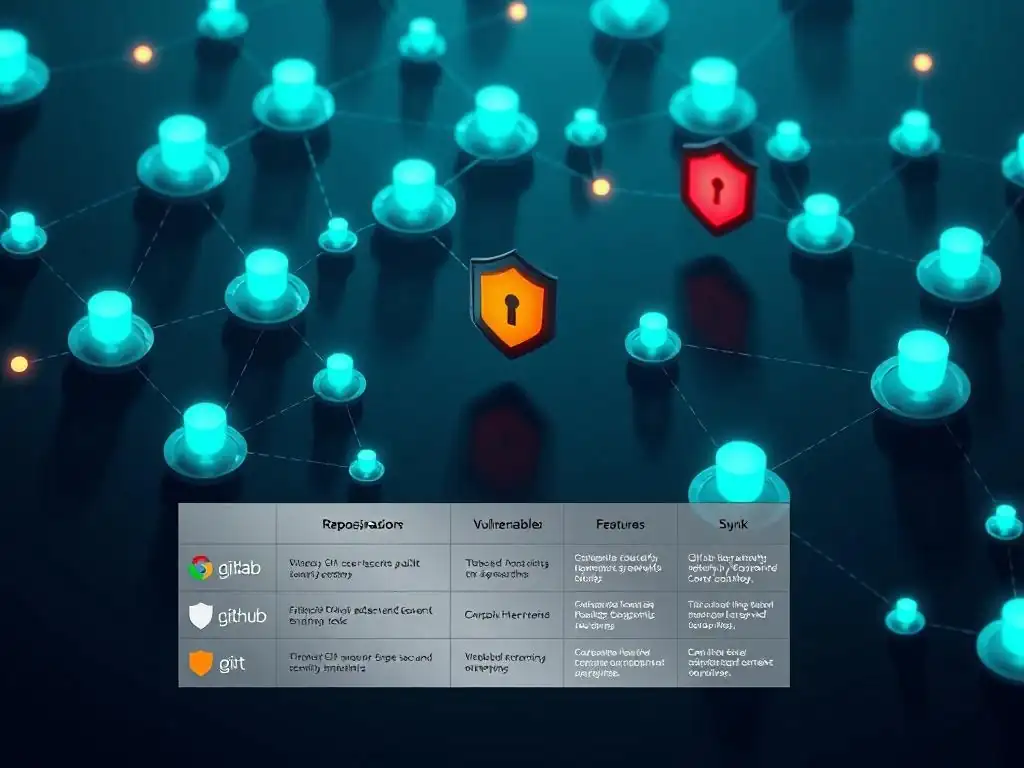
Welcome to the Git and Version Control Hub, your central resource for mastering Git and version control!
Are you confident that your Git repositories are secure? In today's development landscape, ensuring the integrity of your code is paramount. Dive into our comprehensive Git security audit tools comparison to discover the best solutions for identifying and mitigating vulnerabilities in your projects. Uncover hidden threats and fortify your workflow – let's explore the essential tools that will safeguard your code, together!
- Introduction to Git Security Audits and Tool Selection
-
Frequently Asked Questions
- What are Git security audit tools, and why are they important?
- What types of vulnerabilities can Git security audit tools detect?
- How do Git security audit tools improve collaboration in software development?
- What factors should I consider when choosing a Git security audit tool?
- Are Git security audit tools suitable for both personal projects and team environments?
- Final Reflection: Securing the Foundation of Innovation
- Strengthen Your Repository Security Now!
Introduction to Git Security Audits and Tool Selection
Why Git Security Audits Are Crucial for Modern Development
In today's fast-paced software development landscape, where code is frequently pushed, merged, and deployed, the security of Git repositories has become paramount. Git, as the backbone of version control, houses the entire project history, including source code, configuration files, and even sensitive credentials if not handled carefully. A compromised Git repository can lead to severe consequences, ranging from data breaches and intellectual property theft to supply chain attacks.
For instance, in 2023, a significant data breach at a major tech company was attributed to exposed API keys found within their Git repository, highlighting the real-world risks associated with neglecting Git security audits. Therefore, regular Git security audits are no longer optional but a critical component of a robust DevSecOps strategy, ensuring the integrity and confidentiality of the entire software development lifecycle.
The shift towards cloud-native development and distributed teams further amplifies the need for Git security audits. With code being accessed and modified from various locations and environments, the attack surface expands significantly. Moreover, the increasing reliance on open-source components and third-party libraries, often managed through Git submodules or dependencies, introduces potential vulnerabilities if these external repositories are compromised.
Consider the case of dependency confusion attacks, where malicious packages with the same name as internal packages are introduced into public repositories. If a development pipeline is not properly configured to prioritize internal repositories and lacks security checks on dependencies fetched via Git, it can inadvertently incorporate these malicious packages, compromising the entire system. Proactive Git security audits can detect such vulnerabilities early, preventing them from propagating into production environments and mitigating potential damage.
The Growing Need for Automated Git Security Analysis
Manually reviewing Git repositories for security vulnerabilities is a time-consuming and error-prone process, especially in large projects with extensive commit histories and numerous branches. The sheer volume of code changes in modern software development cycles makes it practically impossible for human auditors to effectively identify all potential security weaknesses.
According to a study by the Consortium for Information & Software Quality (CISQ), manual code reviews typically catch only about 15-20% of software defects, and security vulnerabilities often fall under this category. This limited effectiveness underscores the urgent need for automated Git security analysis tools that can efficiently scan repositories, identify potential risks, and prioritize remediation efforts.
Automated Git security analysis tools offer several key advantages over manual approaches. They can perform rapid scans of entire repositories, including commit history, branches, and configuration files, in a fraction of the time it would take a human auditor. These tools leverage sophisticated algorithms and vulnerability databases to detect a wide range of security issues, from hardcoded secrets and misconfigurations to known vulnerabilities in dependencies and insecure coding practices. Furthermore, automation enables continuous security monitoring, allowing for real-time detection of newly introduced vulnerabilities as developers commit code. This proactive approach, often integrated into CI/CD pipelines, ensures that security is addressed early in the development lifecycle, reducing the cost and effort of remediation compared to discovering vulnerabilities in later stages or, worse, in production. The rise of DevSecOps practices and the increasing complexity of software systems necessitate the adoption of automated Git security analysis tools to maintain a strong security posture.
Key Considerations When Selecting a Git Security Audit Tool
Choosing the right Git security audit tool is crucial for effectively securing your development workflows. Several factors should be carefully considered to ensure that the selected tool aligns with your specific needs and provides comprehensive protection. One primary consideration is the scope of analysis.
Different tools offer varying levels of analysis, ranging from basic secret scanning to deep code analysis and dependency vulnerability detection. For instance, some tools might focus solely on identifying exposed credentials, while others offer static application security testing (SAST) capabilities to analyze code for security flaws and identify potential vulnerabilities in dependencies managed through Git. Understanding the specific types of vulnerabilities you need to address will help narrow down the tool options.
Another critical factor is integration capabilities. A Git security audit tool should seamlessly integrate into your existing development workflow and infrastructure. This includes integration with Git hosting platforms like GitHub, GitLab, and Bitbucket, as well as CI/CD pipelines and developer IDEs.
Smooth integration ensures that security checks are automatically performed as part of the development process, without disrupting developer productivity. Consider tools that offer APIs and webhooks for easy integration with your existing security information and event management (SIEM) systems or other security tools, enabling centralized security monitoring and incident response. Finally, pricing and licensing models vary significantly among Git security audit tools.
Some tools are open-source and free to use, while others are commercial products with subscription-based pricing. Evaluate your budget and the features offered by different tools to determine the most cost-effective solution that meets your security requirements. Factors such as team size, repository volume, and the level of support required should also be considered when evaluating pricing options.
Frequently Asked Questions
What are Git security audit tools, and why are they important?
Git security audit tools are software programs designed to analyze Git repositories for potential security vulnerabilities. They are important because they help identify and mitigate risks before they can be exploited.
What types of vulnerabilities can Git security audit tools detect?
These tools can detect a wide range of vulnerabilities, including exposed secrets (like passwords or API keys), malicious code injections, and misconfigured permissions. Finding these issues early is crucial.
How do Git security audit tools improve collaboration in software development?
By automating the process of identifying and addressing security vulnerabilities, these tools foster a more secure and trustworthy collaborative environment. Teams can work together with confidence knowing that the codebase is being regularly checked.
What factors should I consider when choosing a Git security audit tool?
Consider factors like ease of integration with your existing workflow, the types of vulnerabilities the tool can detect, and its reporting capabilities. Also, consider the cost and level of support offered.
Are Git security audit tools suitable for both personal projects and team environments?
Yes, Git security audit tools are beneficial for both. For personal projects, they help ensure the security of your code. For team environments, they facilitate a secure and collaborative development process.
Final Reflection: Securing the Foundation of Innovation
The digital landscape is built on code, and the integrity of that code hinges on robust security. Choosing the right Git security audit tool is no longer a luxury, but a necessity for organizations striving to protect their intellectual property and maintain the trust of their users. The comparisons presented here are not just about features and functionalities; they are about safeguarding the very foundation upon which innovation is built.
The ongoing influence of open-source and collaborative development makes Git security more critical than ever. We must recognize that vulnerabilities in our repositories can have far-reaching consequences, impacting not only our own projects but also the entire ecosystem. Security is not a product, but a process.
This quote reminds us that selecting a Git security audit tool is just the first step in a continuous journey towards a more secure and resilient development lifecycle.
As you consider the information presented in this comparison, I invite you to reflect on your own organization's security posture. What steps are you taking to protect your Git repositories? How can you leverage the power of these tools to build a more secure future for your projects? The answer lies not just in choosing the "best" tool, but in committing to a culture of security that permeates every aspect of your development process.
Strengthen Your Repository Security Now!
We appreciate you exploring Git security audit tools with us. We hope this comparison clarifies how to protect your projects. Now, take action:
- Start a free trial or demo of the Git security audit tool best suited for your team and budget. Don't wait for a security incident to react.
- Share this article with your development team to emphasize proactive Git security. Team collaboration is key.
- Join the discussion on the GitAndVersionControlHub.com forum and share your experiences with various audit tools. Let's build a safer, more secure community together.
What security auditing feature is most important for your team's workflow and risk profile? Let us know in the comments.