
Tracking Data Lineage with Git: Ensuring Reproducibility in Data Science

Welcome to Git and Version Control Hub!
Unravel the mysteries of your data's journey with our comprehensive guide to Git data lineage best practices. Discover how to leverage Git to track changes, ensure reproducibility, and build a robust foundation for your data science projects. Intrigued? Dive in and learn how to transform your workflow!
- Introduction: The Importance of Data Lineage in Data Science
-
Frequently Asked Questions
- What is Git data lineage, and why is it important in data science?
- How does using Git help ensure reproducibility in data science projects?
- What are some best practices for tracking data lineage with Git?
- Can Git track changes to actual data files themselves, or just the code that processes them?
- How can Git be used to integrate CI/CD pipelines in data science projects to improve data lineage?
- Final Reflection: Embracing Git for Data Lineage
- Unleash the Power of Data Reproducibility!
Introduction: The Importance of Data Lineage in Data Science
Understanding Data Lineage and Its Role in Data Quality
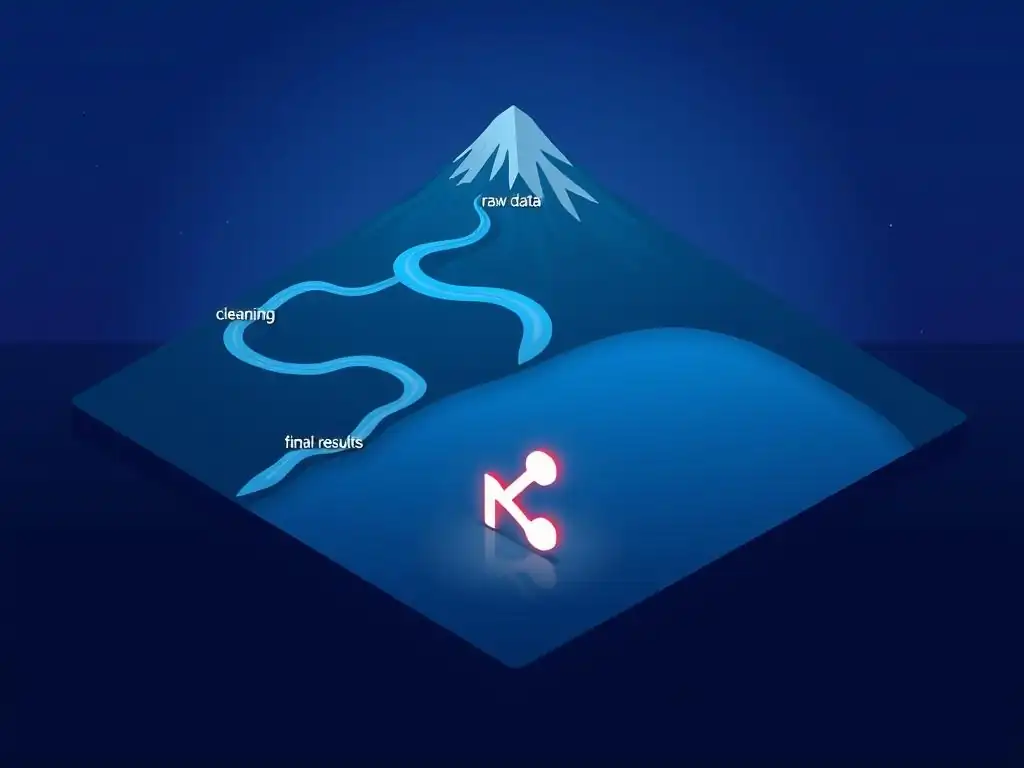
Data lineage, at its core, is the journey of data from its origin to its destination, encompassing all transformations and movements in between. In data science, this means understanding how raw data is collected, cleaned, transformed, and ultimately used to build models and derive insights. Think of it as a detailed map that traces the path of every data point, showing each step of its processing.
This comprehensive tracking is not merely about documentation; it's fundamental for ensuring data quality. Without clear data lineage, it becomes incredibly difficult to identify errors introduced during data processing, understand the impact of data changes, or reproduce analytical results reliably.
Imagine a scenario where a data scientist discovers an anomaly in their model's predictions. Without data lineage, pinpointing the source of the problem becomes a daunting task, akin to searching for a needle in a haystack. Was the issue introduced during data cleaning? Was there a flaw in a transformation script?
Or did the problem originate from the raw data itself? Data lineage provides the necessary transparency to answer these questions efficiently. By meticulously tracking each step, data scientists can quickly isolate the source of errors, validate data transformations, and ensure the overall reliability and trustworthiness of their data-driven insights. This ultimately leads to higher quality data, which is the bedrock of any successful data science project.
The Challenges of Tracking Data Lineage Without Version Control
Tracking data lineage in data science projects can quickly become complex, especially without the right tools and methodologies. In many traditional data science workflows, data transformations are often performed through a series of ad-hoc scripts and manual processes. This lack of structured version control creates significant challenges in maintaining a clear and accurate record of data lineage. For instance, if a data scientist modifies a data cleaning script and re-runs it, the changes to the data might not be systematically recorded, making it difficult to understand how the current dataset differs from previous versions.
Furthermore, without version control, collaboration among data scientists becomes significantly more challenging. Imagine a team working on a complex data science project where multiple individuals are responsible for different stages of data processing. If changes to data or scripts are not properly tracked and shared, it can lead to confusion, inconsistencies, and difficulties in reproducing results.
Without a central system to manage and track these changes, it becomes nearly impossible to ensure that everyone is working with the same understanding of the data's history and transformations. This lack of transparency and control can severely hinder project progress, increase the risk of errors, and ultimately compromise the reproducibility and reliability of the data science outcomes.
Why Git is Essential for Data Science Reproducibility
Git, originally designed for software development, emerges as an indispensable tool for addressing the challenges of data lineage and ensuring reproducibility in data science. At its core, Git is a version control system that meticulously tracks changes to files over time.
This capability is perfectly suited for capturing the evolution of data science projects, from raw data to transformed datasets and analytical scripts. By using Git to manage data science projects, every modification to data processing scripts, data transformation steps, and even data itself (when feasible), is recorded with a detailed history, enabling data scientists to rewind to previous states, compare changes, and understand the exact transformations applied at each stage.
The power of Git for data science reproducibility lies in its ability to create a verifiable and auditable record of the entire data lineage. It provides a single source of truth for all project artifacts, including code, data (or references to data), and documentation. This centralized version control drastically improves collaboration among data science teams, as everyone can access the project's history, understand the changes made by others, and confidently reproduce analyses.
Moreover, Git fosters a culture of transparency and accountability within data science projects. By encouraging the frequent and well-documented committing of changes, Git ensures that the data lineage is not just tracked but also readily understandable and accessible, which is paramount for robust, reproducible, and trustworthy data science.
Frequently Asked Questions
What is Git data lineage, and why is it important in data science?
Git data lineage refers to tracking changes to data processing scripts, data files, and model parameters using Git, which is crucial for reproducibility and auditability in data science workflows.
How does using Git help ensure reproducibility in data science projects?
By version controlling data processing code and configurations, Git allows you to revert to previous states of your project, ensuring that you can consistently reproduce past results.
What are some best practices for tracking data lineage with Git?
Some best practices include committing frequently, using descriptive commit messages, employing branching strategies for different experiments, and versioning your data (or using data version control tools along with Git).
Can Git track changes to actual data files themselves, or just the code that processes them?
While Git isn't designed for large binary files, it can track small data files. For larger data, data version control (DVC) or other specialized tools are recommended to manage and track changes in data along with Git.
How can Git be used to integrate CI/CD pipelines in data science projects to improve data lineage?
By integrating Git with CI/CD, you can automate the process of testing and deploying your data science code, ensuring that any changes are thoroughly validated, and automatically tracing the process of code changes to model deployments and data updates.
Final Reflection: Embracing Git for Data Lineage
The journey of data science is paved with iterations, transformations, and a constant quest for reproducibility. The integration of Git for data lineage is not merely a best practice; it's a fundamental shift towards transparency and trust in our data-driven decisions. By meticulously tracking every change, every script, and every dependency, we empower ourselves and our colleagues to confidently navigate the complex web of data provenance.
This commitment to Git-based data lineage has profoundly influenced how we approach data science, fostering a culture of accountability and collaboration. Understanding the complete history of our data, from its origin to its final form, allows us to identify and rectify errors, validate assumptions, and ultimately, build more robust and reliable models. Data is the new oil, but without lineage, it's just a messy spill.
This quote encapsulates the importance of understanding the origins and transformations of our data, and Git provides the tools to do just that.
As you embark on your own data science endeavors, I encourage you to embrace Git not just as a version control system, but as a powerful tool for documenting and understanding the story of your data. Let the principles of Git data lineage guide your work, ensuring that your insights are not only insightful but also traceable, reproducible, and ultimately, trustworthy. The future of data science hinges on our ability to build transparent and accountable systems, and Git provides a crucial foundation for achieving that vision.
Unleash the Power of Data Reproducibility!
Thank you for exploring how Git can revolutionize your data lineage tracking! You've unlocked valuable insights into creating transparent and reproducible data science workflows. Now, let's put that knowledge into action.
- Commit to Clarity: Implement a Git-based data lineage strategy for your next project, documenting every step from data ingestion to model deployment.
- Dive Deeper: Explore Git hooks to automate lineage tracking whenever data transformations are committed.
- Share Your Wisdom: Discuss your challenges and successes with data lineage tracking in our community forum.
How will you leverage Git to ensure complete reproducibility in your data science projects?