
FutureProofing Your Design Workflow: Embracing Git for LongTerm Projects

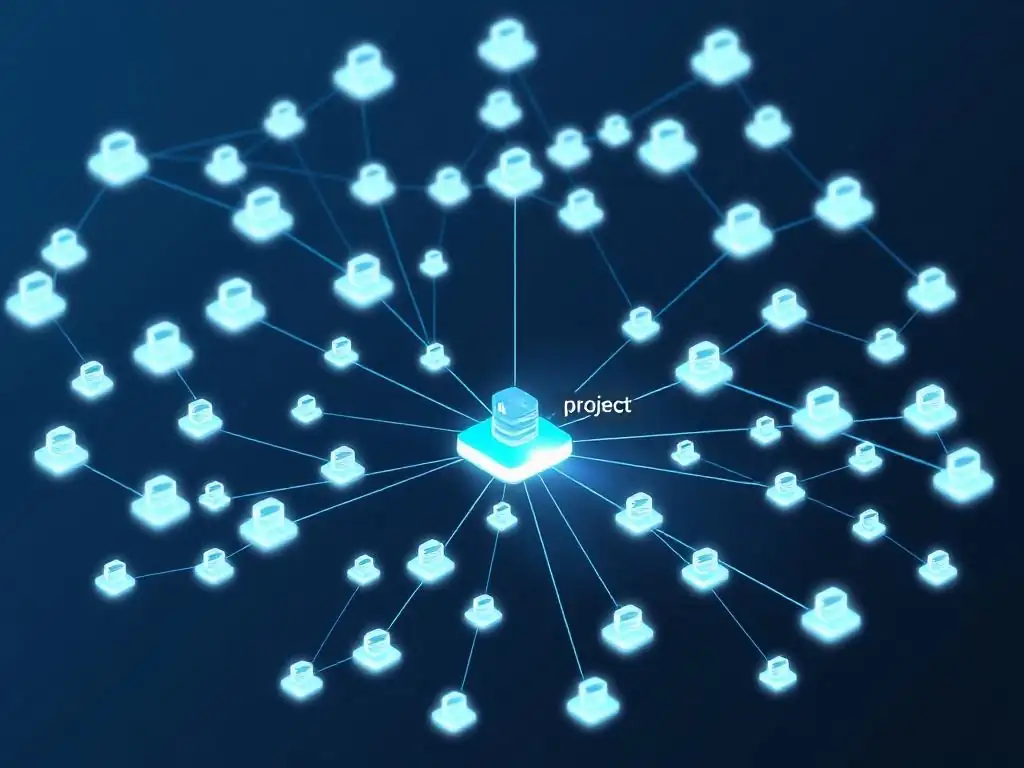
Welcome to Git and Version Control Hub!
Are you ready to unlock the power of Git beyond just code? This is the place to learn how to use Git effectively for all your project files. Ever wondered how to safeguard your design assets and track iterations smoothly? Dive into our comprehensive guide, " Git for long-term projects, "and discover how to future-proof your workflow, ensuring your precious design assets are always safe, accessible, and perfectly versioned. Intrigued? Let's begin!
- Introduction: Why Git is Essential for Design Projects
-
Frequently Asked Questions
- What are the primary benefits of using Git for long-term projects?
- How does Git help in managing complex features in a long-term project?
- What strategies can be used to ensure a clean and manageable Git history for long-term projects?
- How can Git facilitate collaboration among team members working on a long-term project?
- What are some best practices for using Git with large files or binary assets in long-term projects?
- Final Reflection: The Enduring Power of Version Control
- Embrace Git Mastery: Secure Your Design Future!
Introduction: Why Git is Essential for Design Projects
The Growing Need for Version Control in Design
In today's fast-paced digital landscape, design is no longer a static deliverable but a dynamic and iterative process. Designs evolve constantly, driven by user feedback, market trends, and technological advancements. This evolution necessitates a robust system for managing design assets and their changes over time.
Consider the lifespan of a typical website redesign project. It's not uncommon for a website to undergo multiple design iterations within a few years, each involving numerous files, versions, and collaborative efforts. Without a version control system, tracking these changes, reverting to previous states, and ensuring consistency across the project becomes a chaotic and error-prone endeavor, especially for long-term design projects.
Furthermore, the increasing complexity of design projects, often involving multiple designers, stakeholders, and developers, amplifies the need for structured collaboration and change management. Imagine a branding project that spans several years, encompassing logos, style guides, marketing materials, and website assets. Different designers might contribute to various aspects of the brand identity over time.
Version control becomes critical to maintain a single source of truth for all design assets, prevent accidental overwrites, and facilitate seamless collaboration among team members. The demand for version control in design is not just a trend; it's a fundamental requirement for efficient, scalable, and sustainable design workflows, particularly when considering Git for long-term projects.
Challenges of Managing Design Assets Without Git
Managing design assets without a dedicated version control system like Git can quickly become a nightmare, especially as projects grow in complexity and duration. Designers often resort to manual methods like saving multiple copies of files with date-based or descriptive suffixes (e.g., logo_v1.psd, logo_v2_feedback.psd, logo_final_revised.psd). This approach, while seemingly simple at first, leads to version proliferation, making it difficult to identify the latest version, track changes, and revert to previous iterations. Imagine trying to locate a specific design iteration from six months ago within a folder filled with hundreds of similarly named files. The time wasted searching and the potential for using outdated assets are significant drawbacks of this manual method.
Moreover, the lack of a centralized and structured system for managing design changes hinders collaboration and introduces significant risks. Without Git, concurrent work by multiple designers on the same project can easily lead to conflicts and overwritten files. Sharing design files via email or shared drives adds further complexity, making it challenging to track who made which changes and when.
Consider a scenario where two designers are working on different aspects of a website homepage simultaneously. Without version control, merging their changes and ensuring consistency becomes a manual and error-prone process, potentially leading to lost work and design inconsistencies. For long-term design projects, these challenges become exponentially more pronounced, highlighting the critical need for a robust version control system like Git to maintain order, efficiency, and data integrity.
Frequently Asked Questions
What are the primary benefits of using Git for long-term projects?
Git provides robust version history, allowing you to track changes and revert to previous states. It also facilitates collaborative development and enables experimentation without risk due to branching capabilities.
How does Git help in managing complex features in a long-term project?
Git's branching model allows developers to work on isolated features without affecting the main codebase. This makes it easier to manage complexity and integrate new features in a controlled manner.
What strategies can be used to ensure a clean and manageable Git history for long-term projects?
Using descriptive commit messages and following a consistent branching strategy are crucial. Regularly rebasing or merging can help keep the main branch clean and up-to-date.
How can Git facilitate collaboration among team members working on a long-term project?
Git enables parallel development through branching, allowing multiple team members to work simultaneously. Pull requests and code reviews ensure quality and knowledge sharing.
What are some best practices for using Git with large files or binary assets in long-term projects?
Consider using Git Large File Storage (LFS) to efficiently manage large files without bloating the repository. Avoid committing binary files directly whenever possible, and instead, consider using external storage solutions.
Final Reflection: The Enduring Power of Version Control
The ability to manage and track changes effectively is no longer a luxury, but a necessity in the fast-paced world of design, and embracing Git for long-term projects is the key to unlocking true creative potential. The principles of version control, once confined to the realm of software development, are now proving to be invaluable tools for designers seeking to maintain clarity, collaboration, and control over their evolving creations.
The impact of Git on design workflows extends far beyond simple file management; it fosters a culture of experimentation, collaboration, and resilience. Witnessing the transformation of design teams as they adopt Git has been truly inspiring, as it allows them to iterate fearlessly, knowing that every version is safely preserved. The best way to predict the future is to create it.
- Peter Drucker. This quote perfectly encapsulates the proactive approach Git enables, empowering designers to shape their projects with confidence and foresight.
Now, I invite you to consider how Git can revolutionize your own design process. Take the leap, explore its capabilities, and discover the peace of mind that comes with knowing your work is secure, organized, and ready to evolve alongside your vision. Embrace the power of version control, and unlock the full potential of your long-term design projects.
Okay, I will create a Call to Action (CTA) for the end of a web article titled "FutureProofing Your Design Workflow: Embracing Git for LongTerm Projects" for the website "Git and Version Control Hub," domain "GitAndVersionControlHub.com," following all your instructions.
Embrace Git Mastery: Secure Your Design Future!
Thank you for exploring the power of Git for your design projects. We hope you've gained valuable insights into how version control can revolutionize your workflow and safeguard your creations. Now, let's put that knowledge into action!
Here are a few steps you can take today to supercharge your design process:
- Dive deep and create your first Git repository for your next design project. This is the key to future-proofing your work!
- Explore online resources and tutorials to master branching and merging in Git – unleash the power of parallel design iterations.
- Share this article with fellow designers who could benefit from a more robust and collaborative workflow. Let's build a community of Git-savvy creatives!
Ready to ditch the "vFinal" naming conventions and embrace the structured world of Git? What immediate changes will you implement in your design workflow to leverage the power of version control?