
CrossFunctional Git: Workflows Designed for Diverse Development Teams

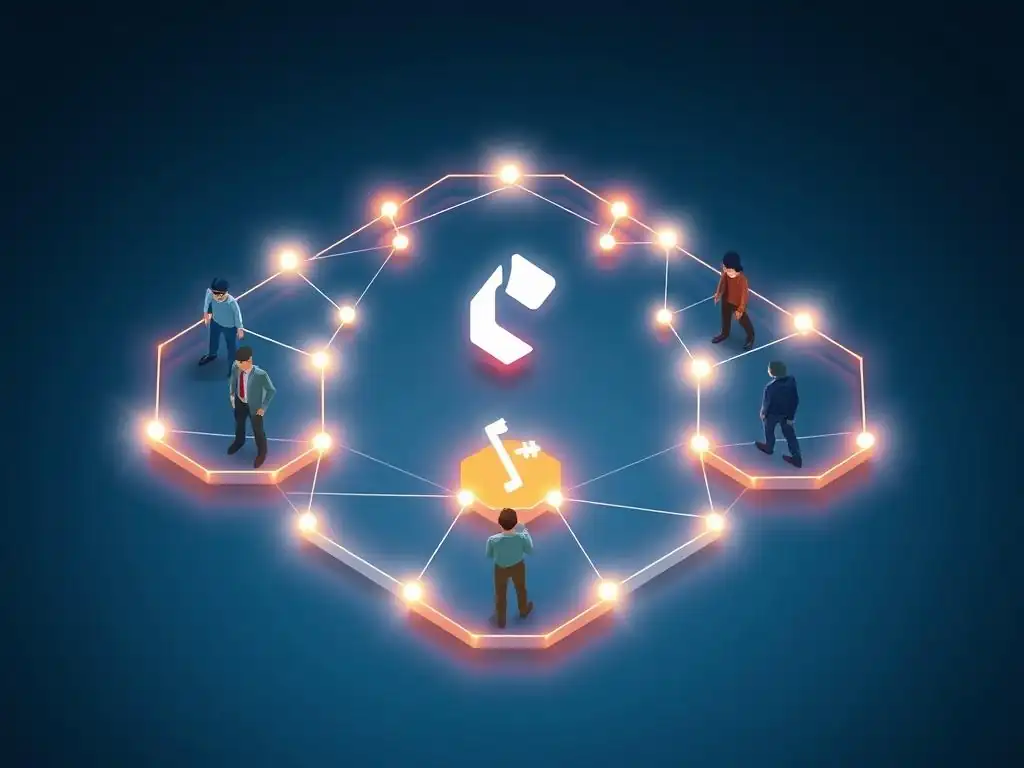
Welcome to Git and Version Control Hub! Are you ready to unlock the power of cross-functional Git workflows and revolutionize how your diverse development teams collaborate? Dive in to discover how streamlined Git practices can break down silos, improve communication, and ultimately, build better software. This is your gateway to mastering Git best practices for professional development – let's get started!
- Understanding the Challenges of Cross-Functional Teams in Git
-
Frequently Asked Questions
- How can Git improve collaboration in cross-functional teams?
- What are some key challenges in implementing Git workflows across different development specializations?
- What is a "cross-functional Git workflow" and why is it important?
- How does Git facilitate code review in a cross-functional setting?
- Can CI/CD pipelines be integrated with cross-functional Git workflows, and if so, how?
- Final Reflection: Embracing Collaborative Code
- Unleash Your Team's Git Potential!
Understanding the Challenges of Cross-Functional Teams in Git
Siloed Knowledge and Inconsistent Practices
- Different teams, different Git habits: Addressing the problem of inconsistent workflows.
- The impact of specialized skill sets on Git usage (e.g., front-end vs. back-end).
- Example: How a front-end team using feature branches clashes with a data science team favoring direct commits.
Cross-functional teams, by their very nature, bring together individuals with diverse skill sets and backgrounds. While this diversity is a strength, it can become a source of friction when it comes to version control practices. Often, different teams within an organization, such as front-end, back-end, data science, and DevOps, develop their own preferred Git workflows.
For instance, a front-end team might heavily rely on feature branches for isolated development and rigorous testing before merging, a practice deeply ingrained in their iterative UI/UX development cycles. Conversely, a data science team, focused on rapid experimentation and model iteration, might favor more direct commits to a shared development branch to quickly test hypotheses and share datasets. This disparity in Git habits stems from the varying needs and priorities of each team, leading to inconsistent practices across the organization.
The impact of these specialized skill sets on Git usage is significant. Consider a scenario where a front-end team, accustomed to detailed pull requests and thorough code reviews for each feature branch, needs to collaborate with a back-end team that prioritizes rapid integration and smaller, more frequent commits. The front-end team might perceive the back-end team's approach as lacking rigor, potentially leading to code quality issues or integration conflicts.
Conversely, the back-end team could view the front-end team's workflow as overly bureaucratic and slow-paced, hindering the speed of development. This divergence in Git culture, rooted in different professional backgrounds and project requirements, can create silos of knowledge and operational inefficiencies, ultimately hindering the benefits of a cross-functional team structure.
Communication Breakdown and Integration Conflicts
- Lack of shared understanding leading to merge conflicts and integration headaches.
- Importance of clear communication channels for Git-related issues.
- Case Study: A Fintech company struggling with weekly code integrations due to poor workflow alignment.
When cross-functional teams operate with disparate Git workflows and lack clear communication, the inevitable outcome is often a breakdown in communication, manifesting as increased merge conflicts and integration headaches. Imagine a situation where a DevOps team, responsible for infrastructure as code, updates configuration files in a shared repository.
If the development teams are unaware of these changes or the underlying rationale due to poor communication channels, they might introduce code that is incompatible with the new infrastructure, leading to significant merge conflicts when integrating their features. These conflicts are not merely technical inconveniences; they represent tangible delays in development cycles as teams spend valuable time resolving integration issues that could have been prevented with better communication and workflow alignment.
Establishing clear communication channels specifically for Git-related issues is paramount in mitigating these problems. This goes beyond general project communication and requires dedicated spaces for discussing branching strategies, merge requests, and conflict resolution.
For example, a dedicated Slack channel or Microsoft Teams space for "Git Workflow Discussions" can serve as a central hub for teams to raise questions, share updates on branch merges, or proactively communicate potential integration risks. Furthermore, integrating Git platforms with communication tools to provide automated notifications about pull requests, merge conflicts, or branch updates can significantly enhance awareness and facilitate timely responses, fostering a more collaborative and less conflict-prone cross-functional Git environment.
Consider a real-world case study: a Fintech company with separate teams for mobile app development, API development, and security engineering. Initially, each team adopted Git workflows in isolation, leading to significant challenges during weekly code integration cycles. The mobile team favored long-lived feature branches, the API team practiced more frequent merging into a development branch, and the security team often made direct commits for urgent security patches.
This misalignment resulted in a chaotic integration process every week, with developers spending up to 40% of their time resolving merge conflicts and debugging integration issues. After implementing a standardized Gitflow-based workflow, coupled with mandatory cross-team communication checkpoints before major merges and dedicated training sessions, the company reduced integration-related delays by over 60% and significantly improved the overall code release velocity. This case highlights the critical impact of workflow alignment and communication on the efficiency and success of cross-functional Git operations.
Frequently Asked Questions
How can Git improve collaboration in cross-functional teams?
Git facilitates collaboration by providing a centralized system for version control, allowing team members with diverse skills to work on the same project concurrently and track changes effectively. This helps avoid conflicts and ensures everyone is working with the latest code.
What are some key challenges in implementing Git workflows across different development specializations?
Some key challenges include differing levels of Git proficiency among team members, the need to establish clear branching strategies that accommodate diverse workflows, and the integration of Git with different tools and technologies used by various specializations.
What is a "cross-functional Git workflow" and why is it important?
A cross-functional Git workflow is a structured approach to using Git that is designed to accommodate the diverse skill sets and development practices within a cross-functional team. It is important because it promotes seamless collaboration and reduces integration issues.
How does Git facilitate code review in a cross-functional setting?
Git allows for easy code review through features like pull requests, where team members can examine and provide feedback on proposed changes before they are merged into the main codebase. This ensures quality and promotes knowledge sharing across different disciplines.
Can CI/CD pipelines be integrated with cross-functional Git workflows, and if so, how?
Yes, CI/CD pipelines can be integrated. By linking the pipeline to specific Git branches or events, automated tests and deployments can be triggered, streamlining the development process and ensuring consistent quality across all team contributions.
Final Reflection: Embracing Collaborative Code
The principles of cross-functional Git workflows, as explored throughout this article, are not merely theoretical exercises; they are essential for navigating the complexities of modern software development. In a world increasingly reliant on interconnected systems and diverse skillsets, the ability to seamlessly integrate contributions from various teams is no longer a luxury, but a necessity for innovation and efficiency.
The impact of well-defined, cross-functional Git workflows extends far beyond cleaner code and fewer merge conflicts. They foster a culture of collaboration, transparency, and shared ownership, empowering teams to learn from each other and build truly remarkable products. Coming together is a beginning, staying together is progress, and working together is success.
– Henry Ford. This quote perfectly encapsulates the spirit of cross-functional collaboration, highlighting the journey from initial integration to sustained achievement through teamwork.
Now, consider how you can apply these principles within your own development environment. How can you break down silos, encourage open communication, and empower your teams to contribute effectively across functional boundaries? The future of software development lies in embracing collaboration, and by implementing cross-functional Git workflows, you can unlock the full potential of your team and build a more innovative and successful future.
Unleash Your Team's Git Potential!
Thanks for reading about cross-functional Git workflows! We hope you've found valuable strategies to improve collaboration and streamline your development process. Now, it's time to put this knowledge into practice.
Here's how you can get started:
- Implement a new Git workflow with your team, tailored to your specific needs. Document the process and actively solicit feedback for continuous improvement.
- Share this article with your colleagues and discuss how to adapt these strategies to your current projects. Knowledge-sharing promotes better Git practices across your organization.
- Explore our comprehensive Git resources on GitAndVersionControlHub.com to discover advanced techniques and tools for version control that can enhance your cross-functional workflows. Consider exploring different branching strategies to optimize your process.
What specific challenge are you most excited to tackle with improved Git workflows in your cross-functional team? Let us know in the comments below!