
Security in CI/CD Pipelines: Choosing Platforms with Robust Security Features

Welcome to Git and Version Control Hub!
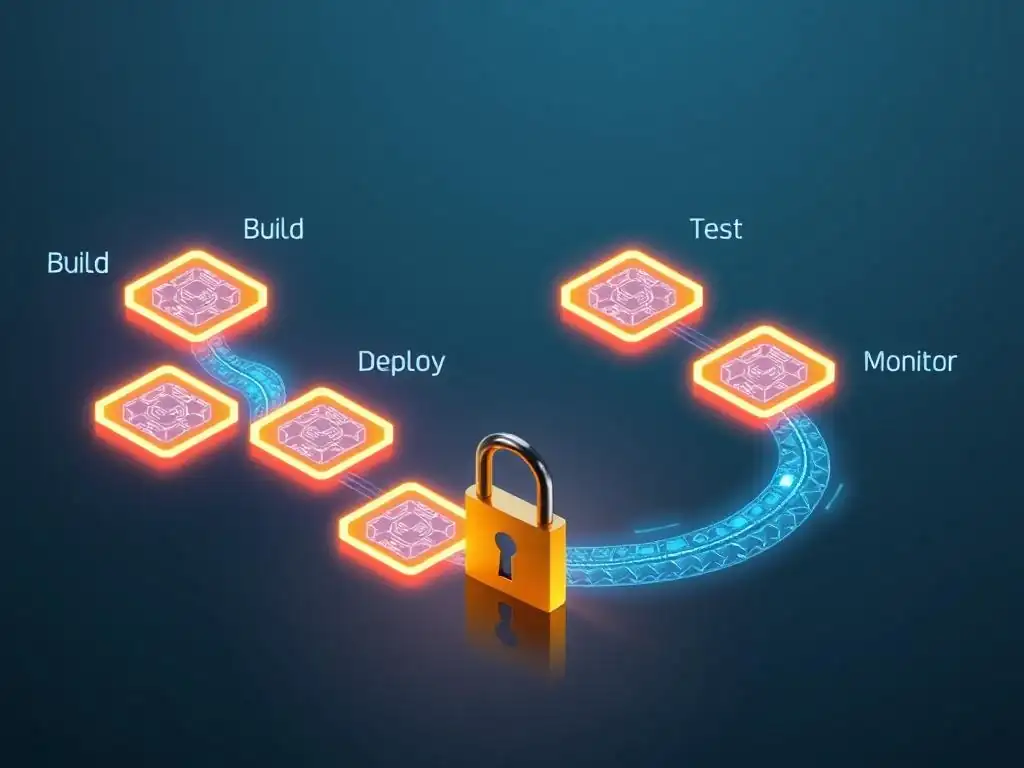
Are you ready to fortify your CI/CD pipelines against emerging threats? In this article, we dive deep into secure CI/CD pipeline platforms, exploring the critical security features you should prioritize when selecting your tools. Discover how to build robust defenses directly into your development workflow, ensuring your code and data remain protected. What secrets do the leading platforms hold, and how can you leverage them for maximum security? Let's uncover them together!
Security in CI/CD Pipelines: Choosing Platforms with Robust Security Features
- Understanding the Importance of Secure CI/CD Pipeline Platforms
- Evaluating CI/CD Platforms for Security: A Comparative Analysis
- Key Security Features to Look for in CI/CD Platforms
- Implementing a Secure CI/CD Pipeline: Best Practices and Strategies
- Real-World Examples: Secure CI/CD Pipeline Implementations
- Conclusion: Choosing the Right Secure CI/CD Pipeline Platform
-
Frequently Asked Questions
- What are the most important security features to look for when selecting a secure CI/CD pipeline platform?
- How can I ensure that my CI/CD pipeline doesn't introduce new vulnerabilities into my codebase?
- What role does version control play in maintaining the security of my CI/CD pipeline?
- How do I manage sensitive information like API keys and passwords within my CI/CD pipeline securely?
- What are some best practices for securing the CI/CD environment itself?
- Final Reflection: Fortifying the Software Supply Chain
- Bolster Your Pipeline: Secure Your Code Today!
Understanding the Importance of Secure CI/CD Pipeline Platforms
Why a Secure CI/CD Pipeline is Crucial for Modern Development
In today's fast-paced software development landscape, Continuous Integration and Continuous Delivery (CI/CD) pipelines are no longer optional; they are foundational. A well-implemented CI/CD pipeline automates the software release process, enabling teams to deliver updates and new features rapidly and reliably. This speed and agility are critical for staying competitive and meeting evolving user demands. However, the increased velocity of development must not come at the expense of security.
A secure CI/CD pipeline is paramount because it acts as the gatekeeper for code entering production. If this gatekeeper is compromised, the entire software delivery process, and consequently the final product, becomes vulnerable. A secure pipeline ensures that only vetted, secure code reaches end-users, safeguarding both the application and the organization's reputation.
Furthermore, the complexity of modern applications, often built using microservices and deployed across diverse environments, necessitates a robust and secure CI/CD approach. These pipelines are intricate systems involving numerous stages – from code commit to testing, building, and deployment. Each stage represents a potential entry point for security vulnerabilities. Ignoring security in the CI/CD pipeline can lead to vulnerabilities being introduced early in the development lifecycle and propagated through each subsequent stage, ultimately reaching production. Therefore, integrating security into every phase of the CI/CD process is not just a best practice, but a fundamental requirement for modern software development.
The Risks of Unsecured CI/CD Pipelines: Data Breaches and Code Tampering
Unsecured CI/CD pipelines present significant risks, ranging from data breaches to malicious code injection. One of the most critical threats is the potential for data breaches. CI/CD pipelines often handle sensitive information, including API keys, database credentials, and cloud provider access keys.
If these secrets are not properly managed and secured within the pipeline, they can become exposed, leading to unauthorized access to critical systems and data. For example, a misconfigured CI/CD pipeline that stores secrets in plain text within configuration files or logs could easily be exploited by attackers. According to Verizon's 2023 Data Breach Investigations Report, misconfiguration is a significant factor contributing to data breaches, and vulnerable CI/CD pipelines are a prime example of such misconfigurations.
Beyond data breaches, unsecured pipelines are also susceptible to code tampering. If an attacker gains access to the CI/CD system, they could potentially inject malicious code into the software build process. This could result in compromised applications being deployed to production, leading to severe consequences.
Imagine a scenario where an attacker injects a backdoor into an application's code through a compromised CI/CD pipeline. This backdoor could then be used to gain persistent access to the application's servers and data, potentially for espionage, data theft, or even ransomware attacks. The impact of such code tampering can be devastating, not only financially but also to an organization's reputation and customer trust.
Defining "Secure": Key Security Features in CI/CD Platforms
Defining "secure" in the context of CI/CD platforms involves a multifaceted approach, encompassing several key security features. A secure CI/CD platform should, at its core, provide robust authentication and authorization mechanisms. This means ensuring that only authorized users and services can access and interact with the pipeline. Features like Multi-Factor Authentication (MFA) and Role-Based Access Control (RBAC) are crucial for verifying user identities and limiting access based on the principle of least privilege. For instance, developers might have access to trigger builds and deployments, but only security engineers might be authorized to modify security configurations within the pipeline.
Furthermore, a secure CI/CD platform must incorporate automated security scanning capabilities. This includes Static Application Security Testing (SAST) to analyze code for vulnerabilities early in the development lifecycle, Dynamic Application Security Testing (DAST) to assess running applications for security flaws, and Software Composition Analysis (SCA) to identify vulnerabilities in open-source dependencies. These automated scans should be integrated directly into the pipeline to provide continuous security feedback and prevent vulnerable code from progressing to production. Finally, secure secrets management is indispensable.
The platform must offer secure mechanisms for storing and managing sensitive credentials, preventing secrets leakage in logs or configuration files. Integration with dedicated secrets management tools like HashiCorp Vault is often a hallmark of a truly secure CI/CD platform. Audit logging and compliance features are also essential for maintaining visibility and demonstrating adherence to security standards.
Evaluating CI/CD Platforms for Security: A Comparative Analysis
Assessing GitLab for Secure CI/CD: Features and Capabilities
GitLab is a comprehensive DevOps platform that integrates CI/CD capabilities deeply within its ecosystem. It provides a wide array of security features designed to build secure CI/CD pipelines. GitLab’s approach to security is proactive, aiming to shift security left by embedding security checks and balances throughout the development lifecycle. From code commit to deployment, GitLab offers tools and features to identify and mitigate security risks at each stage of the CI/CD process, making it a strong contender for organizations prioritizing secure CI/CD pipeline platforms.
GitLab’s security features are not just add-ons; they are tightly integrated into the platform, making security a natural part of the development workflow. This integration simplifies the process of building secure pipelines and reduces the friction often associated with implementing security measures. Organizations leveraging GitLab for their CI/CD needs can benefit from a unified platform that streamlines both development and security operations, fostering a more efficient and secure software delivery process.
Security Scanning and Vulnerability Detection in GitLab
GitLab excels in security scanning and vulnerability detection, offering a suite of integrated security scanners directly within its CI/CD pipelines. These scanners include SAST, DAST, SCA, and Dependency Scanning. GitLab SAST, for example, analyzes source code for known vulnerabilities without executing it, identifying potential security flaws early in the development cycle.
GitLab DAST, on the other hand, performs dynamic analysis by attacking a running application to uncover vulnerabilities that might only be apparent in a live environment. SCA and Dependency Scanning are crucial for identifying vulnerabilities in open-source dependencies, which are often a significant source of security risks in modern applications.
According to GitLab's documentation, their Ultimate plan includes on-demand vulnerability scans and security dashboards providing a centralized view of security findings across projects. These features allow teams to proactively manage vulnerabilities, track remediation efforts, and gain a comprehensive understanding of their application security posture. The integration of these scanners directly into the CI/CD pipeline automates security checks, ensuring that every code change is assessed for potential vulnerabilities before deployment, contributing significantly to building secure CI/CD pipeline platforms.
Access Control and Authentication Mechanisms in GitLab
GitLab provides robust access control and authentication mechanisms to secure CI/CD pipelines. Role-Based Access Control (RBAC) is a cornerstone of GitLab’s security model, allowing administrators to define granular permissions for users and groups based on their roles within the organization. This ensures that only authorized personnel can access and modify CI/CD configurations, jobs, and sensitive resources. For example, developers might have permissions to trigger pipelines and view logs, while operations teams might have broader access to manage infrastructure and deployments.
Furthermore, GitLab supports Multi-Factor Authentication (MFA) to enhance user authentication security. MFA adds an extra layer of protection beyond passwords, requiring users to provide additional verification, such as a code from a mobile app or a hardware token. GitLab also integrates with various Identity Providers (IdPs) via protocols like SAML and OAuth, enabling organizations to centralize user authentication and management using their existing identity infrastructure, improving the overall security posture of their secure CI/CD pipeline platforms.
Audit Logging and Compliance Features of GitLab
GitLab offers comprehensive audit logging and compliance features, essential for maintaining visibility and control over CI/CD activities. GitLab's audit logs track a wide range of events, including user actions, configuration changes, and security-related events within the CI/CD pipelines. These logs provide a detailed history of activities, enabling security teams to monitor for suspicious behavior, investigate security incidents, and ensure compliance with regulatory requirements. For instance, audit logs can help identify who initiated a pipeline deployment, when changes were made to pipeline configurations, or if any unauthorized access attempts occurred.
Moreover, GitLab provides features to assist with compliance with industry standards like SOC 2 and PCI DSS. While GitLab itself doesn't guarantee compliance, its audit logging, access control, and security scanning capabilities are crucial components for organizations seeking to achieve these certifications. GitLab’s compliance reports and audit trails provide the necessary documentation and evidence to demonstrate adherence to security and compliance policies, making it a platform that supports building secure CI/CD pipeline platforms while meeting regulatory needs.
Pricing and Plans for Secure CI/CD with GitLab
GitLab offers a tiered pricing structure, with security features varying across different plans. While GitLab's core CI/CD functionality is available even in the free tier, the more advanced security scanning and compliance features are primarily concentrated in the paid tiers, particularly the Premium and Ultimate plans. For instance, features like SAST, DAST, Dependency Scanning, and Container Scanning are available in the Ultimate tier, providing a comprehensive suite of security tools for building secure CI/CD pipelines.
As of late 2023, GitLab's Premium plan starts at approximately \$29 per user per month (billed annually), and the Ultimate plan starts at around \$99 per user per month (billed annually). Organizations needing robust security features for their CI/CD pipelines should carefully evaluate the different GitLab plans to determine which tier best aligns with their security requirements and budget. While the free tier is suitable for basic CI/CD needs, building truly secure CI/CD pipeline platforms often necessitates investing in a paid plan to access the full spectrum of GitLab's security capabilities.
Deep Dive into GitHub Actions's Security Architecture
GitHub Actions, GitHub's native CI/CD solution, provides a flexible and powerful platform for automating software workflows, including building secure CI/CD pipelines. GitHub Actions operates on a workflow-centric model, where users define automated tasks, called actions, within YAML files to create custom CI/CD pipelines. GitHub's security architecture for Actions is built on a foundation of secure infrastructure and granular permissions, aiming to provide a secure environment for running workflows and protecting sensitive data.
GitHub Actions’ security approach emphasizes minimizing the attack surface and providing users with tools to build secure workflows. This includes features like runner isolation, secure secrets management, and integration with security scanning tools. GitHub Actions benefits from GitHub's overall security posture, leveraging its established infrastructure and security practices to provide a reliable and secure platform for CI/CD, making it a viable option for organizations seeking secure CI/CD pipeline platforms.
GitHub Actions's Approach to Pipeline Security: A Unique Perspective
GitHub Actions takes a unique approach to pipeline security, emphasizing flexibility and extensibility while maintaining a secure execution environment. Unlike some platforms with pre-defined security features, GitHub Actions provides building blocks and integrations that allow users to customize their security measures. This approach empowers developers to tailor security to their specific needs and integrate best-of-breed security tools into their workflows. GitHub Actions’ security model is built upon principles of least privilege and secure execution environments to minimize the risk of vulnerabilities and data breaches within CI/CD pipelines.
A key aspect of GitHub Actions’ security perspective is its focus on community and the Actions marketplace. While this marketplace offers a vast library of pre-built actions, it also introduces potential security considerations. GitHub addresses this by providing mechanisms for verifying action publishers and encouraging the use of actions from trusted sources. This balance between openness and security is a defining characteristic of GitHub Actions' approach to secure CI/CD pipeline platforms.
Role-Based Access Control (RBAC) and Permissions in GitHub Actions
GitHub Actions leverages GitHub's existing role-based access control (RBAC) model to manage permissions within CI/CD pipelines. Permissions in GitHub are defined at the repository level, and these permissions extend to GitHub Actions workflows. Users with write or admin access to a repository can create and modify workflows, while read access allows users to view workflow definitions and logs. This repository-level RBAC provides a foundational layer of access control for GitHub Actions.
Furthermore, GitHub Actions introduces granular permissions for workflows themselves. Workflows can be configured with specific permissions to access GitHub resources, such as repository contents, issues, and pull requests. This principle of least privilege ensures that workflows only have the necessary permissions to perform their tasks, minimizing the potential impact of compromised workflows. For example, a workflow deploying to production might be granted write access to the deployment environment secrets, but not to other sensitive repository resources, enhancing the security of secure CI/CD pipeline platforms.
Integration with Security Tools: Snyk Integration in GitHub Actions
GitHub Actions seamlessly integrates with a wide range of security tools, enabling users to incorporate security scanning and vulnerability detection directly into their CI/CD pipelines. One prominent example is the integration with Snyk, a popular security platform specializing in vulnerability scanning and remediation. The Snyk Action for GitHub Actions allows developers to easily integrate Snyk's SAST, SCA, and container scanning capabilities into their workflows. This integration automates security checks, providing developers with immediate feedback on vulnerabilities detected in their code and dependencies.
Using the Snyk Action, developers can configure workflows to automatically scan their code and dependencies upon each commit or pull request. Snyk then reports any identified vulnerabilities directly within the GitHub interface, providing details on the vulnerability, its severity, and remediation advice. This tight integration simplifies the process of incorporating security scanning into GitHub Actions workflows, making it easier to build secure CI/CD pipeline platforms and proactively manage security risks throughout the development lifecycle.
Cost-Effectiveness of GitHub Actions for Secure CI/CD
GitHub Actions offers a cost-effective solution for building secure CI/CD pipelines, particularly for organizations already using GitHub for source code management. GitHub Actions' pricing model is based on usage, specifically the minutes workflows run and the storage consumed by artifacts. For public repositories, GitHub Actions is generally free, making it an attractive option for open-source projects. For private repositories, GitHub provides a generous free tier, and paid plans offer competitive pricing compared to dedicated CI/CD platforms.
The cost-effectiveness of GitHub Actions extends to security features. While some advanced security scanning tools might require separate subscriptions (like Snyk), the integration with GitHub Actions is often straightforward and doesn't incur additional platform costs. Organizations can leverage open-source security actions or integrate their existing security tools with GitHub Actions to build secure CI/CD pipeline platforms without significantly increasing their CI/CD expenses, making it a financially viable option for many teams.
Comparing GitLab and GitHub Actions Security Features: A Head-to-Head
GitLab and GitHub Actions both offer robust security features for building secure CI/CD pipelines, but they differ in their approach and specific capabilities. A head-to-head comparison highlights the strengths and weaknesses of each platform in key security areas, helping organizations choose the platform that best aligns with their security needs and priorities when building secure CI/CD pipeline platforms. This comparison considers vulnerability scanning, authentication and authorization, compliance features, and cost-effectiveness.
Ultimately, the "best" platform for secure CI/CD depends on the specific requirements of an organization. GitLab offers a more comprehensive, integrated security suite out-of-the-box, while GitHub Actions provides greater flexibility and extensibility, particularly through its marketplace and integrations. Understanding these differences is crucial for making an informed decision when selecting a secure CI/CD pipeline platform.
Vulnerability Scanning Capabilities Comparison
In terms of vulnerability scanning, GitLab offers a more comprehensive, built-in suite of security scanners compared to GitHub Actions' native capabilities. GitLab includes SAST, DAST, Dependency Scanning, and Container Scanning directly within its platform, particularly in its Ultimate tier. These scanners are deeply integrated into the CI/CD pipeline and provide a unified security dashboard for managing vulnerabilities. While GitHub Actions doesn't have built-in scanners of the same breadth, it excels in its integration capabilities.
GitHub Actions readily integrates with a vast array of third-party security scanning tools through its marketplace. This allows users to choose best-of-breed scanners like Snyk, SonarQube, or Checkmarx and incorporate them into their workflows. While this provides flexibility, it might require more configuration and management compared to GitLab's integrated approach. For organizations prioritizing an out-of-the-box, unified security experience, GitLab might be preferable. For those seeking flexibility and integration with specific security tools, GitHub Actions offers a wider range of options for secure CI/CD pipeline platforms.
Authentication and Authorization Mechanisms Compared
Both GitLab and GitHub Actions offer strong authentication and authorization mechanisms, but with slight nuances. GitLab's RBAC model is very granular, allowing for fine-grained control over permissions at project and group levels. GitLab also supports MFA and integration with various IdPs for centralized user management. GitHub Actions leverages GitHub's repository-level RBAC and introduces workflow-specific permissions, providing a flexible approach to access control. GitHub also supports MFA and SAML single sign-on for enhanced authentication.
The primary difference lies in the level of granularity and the integration approach. GitLab's RBAC is deeply integrated into the entire platform, offering comprehensive access control across all features. GitHub Actions, while leveraging GitHub's RBAC, focuses more on workflow-level permissions and relies on repository-level access for overall control. Both platforms are secure, but GitLab's centralized and granular RBAC might be favored by organizations with complex permission requirements, while GitHub Actions' approach offers a balance of security and flexibility for secure CI/CD pipeline platforms.
Compliance and Auditing Feature Showdown
GitLab generally provides more comprehensive built-in compliance and auditing features compared to GitHub Actions. GitLab offers detailed audit logs that track a wide range of events, compliance reports, and features designed to assist with meeting industry standards like SOC 2 and PCI DSS. While GitHub Actions also provides audit logs, they might be less extensive than GitLab's out-of-the-box offering. GitHub Enterprise Audit Log API provides access to audit events, but setting up comprehensive compliance reporting might require more manual configuration or third-party integrations.
For organizations in highly regulated industries with stringent compliance requirements, GitLab's built-in compliance features and detailed audit logs might offer a significant advantage when building secure CI/CD pipeline platforms. GitHub Actions, while secure, might require more effort to achieve the same level of compliance visibility and reporting, potentially necessitating the use of external auditing or compliance tools.
Cost Comparison for Secure CI/CD Implementation
In terms of cost, GitHub Actions can be more cost-effective, especially for organizations with public repositories or those starting with CI/CD. GitHub Actions offers a generous free tier for both public and private repositories, and its usage-based pricing model can be economical for projects with fluctuating CI/CD demands. GitLab's pricing, while offering a free tier, typically requires paid plans to access advanced security features and comprehensive CI/CD capabilities.
For organizations prioritizing cost-effectiveness and flexibility, particularly those heavily invested in the GitHub ecosystem, GitHub Actions can be an attractive option for building secure CI/CD pipeline platforms. GitLab, while potentially more expensive for feature-rich plans, offers a more integrated and comprehensive DevOps platform, which might justify the cost for organizations seeking a unified solution encompassing security, CI/CD, and project management. The optimal choice depends on the specific budget, feature requirements, and existing infrastructure of the organization.
Key Security Features to Look for in CI/CD Platforms
Automated Security Scanning: Detecting Vulnerabilities Early
Automated security scanning is a cornerstone of secure CI/CD pipelines. Integrating security scans directly into the pipeline allows for early detection of vulnerabilities, preventing them from reaching production and reducing the cost and effort of remediation. Different types of automated security scanning address various aspects of application security, and a comprehensive secure CI/CD pipeline platforms strategy often involves combining multiple scanning techniques.
The benefits of automated security scanning are manifold. It shifts security left, embedding security checks early in the development lifecycle. It provides continuous security feedback, ensuring that every code change is assessed for vulnerabilities. It automates repetitive security tasks, freeing up security teams to focus on more complex issues. And most importantly, it significantly reduces the risk of deploying vulnerable applications to production, safeguarding both the application and the organization.
Static Application Security Testing (SAST) Integration
Static Application Security Testing (SAST) is a crucial component of automated security scanning in CI/CD pipelines. SAST tools analyze source code, bytecode, or binaries to identify potential security vulnerabilities without actually executing the code. This "white-box" testing approach allows for early detection of flaws like SQL injection, cross-site scripting (XSS), and buffer overflows, directly within the codebase. Integrating SAST into the CI/CD pipeline ensures that every code commit is automatically scanned for known vulnerabilities before it progresses further in the development process.
SAST tools are particularly effective at identifying vulnerabilities that are introduced early in the development lifecycle. By scanning code as it is written, SAST helps developers catch and fix security issues before they become more complex and costly to remediate in later stages. For example, if a developer introduces a potential SQL injection vulnerability in their code, a SAST tool integrated into the CI/CD pipeline can flag this issue during the code commit stage, allowing the developer to fix it immediately. This proactive approach is essential for building secure CI/CD pipeline platforms.
Dynamic Application Security Testing (DAST) Integration
Dynamic Application Security Testing (DAST) complements SAST by analyzing running applications to identify security vulnerabilities. DAST tools perform "black-box" testing, simulating real-world attacks against a deployed application to uncover vulnerabilities like authentication flaws, session management issues, and server misconfigurations. Integrating DAST into the CI/CD pipeline, typically in the testing or staging environments, ensures that applications are assessed for security vulnerabilities in a runtime environment.
DAST is particularly effective at finding vulnerabilities that are difficult to detect with static analysis, such as runtime configuration issues or vulnerabilities that emerge only when different components of the application interact. For instance, a DAST tool can identify if an application is vulnerable to cross-site scripting (XSS) by injecting malicious scripts and observing the application's response in a running environment. DAST provides a valuable layer of security assessment in CI/CD pipelines, especially for building secure CI/CD pipeline platforms for web applications and APIs.
Software Composition Analysis (SCA) for Open Source Dependencies
Software Composition Analysis (SCA) is increasingly critical for secure CI/CD pipelines due to the widespread use of open-source components in modern applications. SCA tools analyze the open-source libraries, frameworks, and dependencies used in an application to identify known vulnerabilities and license compliance issues. Integrating SCA into the CI/CD pipeline helps ensure that applications are not built with vulnerable or improperly licensed open-source components, which are often a significant source of security risks.
SCA tools maintain databases of known vulnerabilities in open-source components (like those tracked in the National Vulnerability Database - NVD). When integrated into a CI/CD pipeline, SCA tools automatically scan the application's dependencies, compare them against vulnerability databases, and report any identified vulnerabilities. This enables development teams to proactively address vulnerabilities in their open-source dependencies, ensuring that they are using secure and up-to-date components, which is vital for building secure CI/CD pipeline platforms in today's software development landscape.
Strong authentication and authorization mechanisms are fundamental for securing CI/CD pipelines. These mechanisms ensure that only authorized users and services can access and interact with the pipeline, protecting sensitive resources and preventing unauthorized modifications or deployments. Implementing robust authentication and authorization is essential for building trust and maintaining the integrity of secure CI/CD pipeline platforms.
Without strong authentication and authorization, CI/CD pipelines become vulnerable to unauthorized access, potentially leading to data breaches, code tampering, and disruptions to the software delivery process. Therefore, choosing a CI/CD platform with robust authentication and authorization features and implementing them correctly is a paramount security consideration.
Multi-Factor Authentication (MFA) for CI/CD Pipelines
Multi-Factor Authentication (MFA) significantly enhances the security of CI/CD pipelines by adding an extra layer of verification beyond passwords. MFA requires users to provide multiple authentication factors, such as something they know (password), something they have (mobile device), or something they are (biometrics), making it much harder for attackers to gain unauthorized access even if one factor is compromised. Enabling MFA for CI/CD platform access is a critical security best practice.
MFA is particularly important for CI/CD pipelines because these systems often handle sensitive credentials and have the power to deploy code to production. Compromising a CI/CD pipeline can have severe consequences, making MFA a vital defense mechanism against phishing attacks, password breaches, and other common attack vectors. Implementing MFA for all users with access to CI/CD configurations and sensitive pipeline operations is a key step in building secure CI/CD pipeline platforms.
Role-Based Access Control (RBAC) for Secure Resource Management
Role-Based Access Control (RBAC) is a fundamental security principle for managing access to resources within CI/CD pipelines. RBAC allows administrators to define roles with specific permissions and assign these roles to users or groups based on their responsibilities. This ensures that users only have access to the resources and actions necessary for their job functions, adhering to the principle of least privilege. Implementing RBAC in CI/CD platforms minimizes the risk of unauthorized access and accidental or malicious misconfigurations.
RBAC is crucial for managing complex CI/CD environments with multiple teams and stakeholders. For example, developers might have permissions to trigger builds and view logs, while security engineers might have permissions to configure security scans and policies, and operations teams might have permissions to manage deployments. By implementing RBAC, organizations can enforce clear access boundaries within their CI/CD pipelines, improving security and operational efficiency for secure CI/CD pipeline platforms.
Integration with Identity Providers (IdPs) like Okta
Integration with Identity Providers (IdPs) like Okta, Azure AD, or Google Workspace enhances the security and manageability of authentication for CI/CD platforms. IdP integration allows organizations to centralize user authentication and management using their existing identity infrastructure. This simplifies user onboarding and offboarding, enforces consistent authentication policies across different systems, and often provides advanced security features like Single Sign-On (SSO). Integrating CI/CD platforms with IdPs streamlines authentication and strengthens overall security for secure CI/CD pipeline platforms.
IdP integration also improves compliance and auditability. By centralizing authentication, organizations can more easily track user access and activities across their CI/CD pipelines and other systems. This centralized approach simplifies security audits and ensures consistent enforcement of security policies. Using IdPs like Okta for CI/CD authentication is a best practice for organizations seeking to enhance security, simplify user management, and improve compliance posture when building secure CI/CD pipeline platforms.
Secure Secrets Management: Protecting Sensitive Data
Secure secrets management is paramount in CI/CD pipelines because pipelines often handle sensitive credentials, API keys, and other secrets necessary for building, testing, and deploying applications. Improperly managed secrets can be easily exposed, leading to data breaches and unauthorized access to critical systems. Implementing robust secrets management practices is essential for building secure CI/CD pipeline platforms.
Secrets management involves securely storing, accessing, and rotating sensitive data used within CI/CD pipelines. It encompasses tools and practices to prevent secrets from being hardcoded in code, stored in configuration files, or leaked in logs. A secure secrets management strategy minimizes the risk of secrets exposure and protects sensitive data throughout the CI/CD process.
Integrating with Secrets Management Tools like HashiCorp Vault
Integrating CI/CD platforms with dedicated secrets management tools like HashiCorp Vault, AWS Secrets Manager, or Azure Key Vault is a best practice for secure secrets management. These tools provide centralized, secure storage for secrets, access control mechanisms, audit logging, and secret rotation capabilities. Integrating with these tools ensures that CI/CD pipelines access secrets securely and dynamically, without exposing them in insecure ways.
HashiCorp Vault, for example, is a popular open-source secrets management tool widely used in enterprise environments. Vault provides features like encryption at rest and in transit, dynamic secret generation, and fine-grained access control policies. CI/CD platforms can integrate with Vault to retrieve secrets at runtime, ensuring that secrets are never stored directly within pipeline configurations or code repositories. Using dedicated secrets management tools is a crucial step in building secure CI/CD pipeline platforms.
Encrypting Sensitive Data at Rest and in Transit
Encrypting sensitive data both at rest and in transit is a fundamental security measure for protecting secrets within CI/CD pipelines. Encryption at rest ensures that secrets stored in secrets management tools or CI/CD platform storage are protected from unauthorized access in case of storage breaches. Encryption in transit protects secrets during transmission between different components of the CI/CD pipeline and secrets management tools.
Using encryption protocols like TLS/SSL for communication and encryption algorithms like AES-256 for data storage is essential for safeguarding secrets. CI/CD platforms and secrets management tools should be configured to enforce encryption by default, ensuring that sensitive data is always protected both when stored and when transmitted. Encryption is a foundational element of secure secrets management and a key aspect of building secure CI/CD pipeline platforms.
Preventing Secrets Leakage in CI/CD Logs
Preventing secrets leakage in CI/CD logs is a critical aspect of secure secrets management. CI/CD logs often contain detailed information about pipeline execution, and if not properly managed, they can inadvertently expose sensitive secrets, such as API keys or database passwords. Implementing measures to prevent secrets from appearing in logs is crucial for maintaining the security of secure CI/CD pipeline platforms.
Techniques for preventing secrets leakage in logs include: masking secrets in logs, using secure logging practices, and avoiding logging sensitive data altogether whenever possible. CI/CD platforms should offer features to automatically mask secrets in logs, replacing them with placeholders like "***" or "[REDACTED]". Developers should also be trained to avoid logging sensitive information and to use secure logging libraries that minimize the risk of secrets exposure. Proactive measures to prevent secrets leakage in logs are essential for a robust secure CI/CD pipeline platform.
Audit Logging and Compliance: Maintaining Visibility and Control
Audit logging and compliance features are essential for maintaining visibility and control over CI/CD pipeline activities. Comprehensive audit logs provide a detailed record of events within the pipeline, enabling security teams to monitor for suspicious behavior, investigate security incidents, and ensure compliance with regulatory requirements. These features are critical for demonstrating security posture and meeting compliance mandates for secure CI/CD pipeline platforms.
Without proper audit logging and compliance features, organizations lack visibility into their CI/CD pipeline operations, making it difficult to detect and respond to security threats or demonstrate compliance with security standards. Implementing robust audit logging and compliance capabilities is therefore a crucial aspect of building and operating secure CI/CD pipeline platforms.
Comprehensive Audit Trails for CI/CD Activities
Comprehensive audit trails are vital for providing visibility into all activities within CI/CD pipelines. Audit logs should capture a wide range of events, including user logins, configuration changes, pipeline executions, security scans, access attempts, and any security-related events. These detailed logs serve as a historical record of pipeline operations, enabling security teams to track activities, identify anomalies, and investigate security incidents effectively.
Comprehensive audit trails are essential for security monitoring, incident response, and forensic analysis. In the event of a security breach or suspicious activity, audit logs provide valuable information for understanding what happened, who was involved, and what actions need to be taken. Detailed audit logs are a cornerstone of security and compliance for secure CI/CD pipeline platforms.
Compliance with Industry Standards like SOC 2 and PCI DSS
Compliance with industry standards like SOC 2, PCI DSS, HIPAA, and GDPR is often a mandatory requirement for organizations, particularly those in regulated industries. CI/CD platforms should offer features and capabilities that assist organizations in meeting these compliance standards. This includes features like audit logging, access controls, security scanning, data encryption, and reporting capabilities that are relevant to specific compliance frameworks.
While no CI/CD platform can guarantee compliance on its own, platforms that provide robust security features and compliance-related functionalities significantly simplify the process of achieving and maintaining compliance with industry standards. Choosing a CI/CD platform that aligns with relevant compliance requirements is a crucial consideration for organizations operating in regulated sectors and building secure CI/CD pipeline platforms.
Reporting and Alerting on Security Events
Reporting and alerting on security events are crucial for proactive security monitoring and incident response in CI/CD pipelines. CI/CD platforms should provide reporting capabilities to summarize security findings, track vulnerability trends, and demonstrate compliance status. Alerting mechanisms should notify security teams in real-time about critical security events, such as detected vulnerabilities, unauthorized access attempts, or suspicious activities.
Effective reporting and alerting enable security teams to quickly identify and respond to security threats in CI/CD pipelines. Automated alerts can trigger incident response workflows, ensuring that security issues are addressed promptly and efficiently. Real-time security event alerts and comprehensive security reports are essential components of a mature security posture for secure CI/CD pipeline platforms.
Implementing a Secure CI/CD Pipeline: Best Practices and Strategies
Secure Coding Practices for CI/CD: Minimizing Vulnerabilities
Secure coding practices are the first line of defense in building secure CI/CD pipelines. Writing secure code minimizes the introduction of vulnerabilities early in the development lifecycle, reducing the burden on later security stages in the pipeline. Implementing secure coding practices within development teams is a proactive and cost-effective strategy for building secure CI/CD pipeline platforms.
Secure coding practices encompass a wide range of techniques and principles aimed at preventing common vulnerabilities. These practices include input validation, output encoding, secure authentication and authorization, proper error handling, and avoiding known vulnerable coding patterns. Training developers in secure coding practices and integrating code analysis tools into the development workflow are crucial steps in minimizing vulnerabilities.
Automating Security Checks in the CI/CD Pipeline
Automating security checks throughout the CI/CD pipeline is essential for continuous security and early vulnerability detection. Integrating security scanning tools (SAST, DAST, SCA), vulnerability assessments, and compliance checks directly into the pipeline automates repetitive security tasks and provides continuous feedback to development teams. Automation ensures that security is not an afterthought but an integral part of the software delivery process for secure CI/CD pipeline platforms.
Automation streamlines security processes, reduces manual effort, and improves the consistency of security checks. Automated security scans can be triggered at various stages of the pipeline, such as code commit, build, test, and deployment. This continuous security feedback loop enables developers to identify and fix vulnerabilities early and often, minimizing the risk of security issues in production.
Monitoring and Alerting for Security Threats in CI/CD
Continuous monitoring and alerting for security threats within CI/CD pipelines are crucial for timely detection and response to security incidents. Monitoring CI/CD logs, security scan results, and system metrics for anomalies and suspicious activities enables security teams to identify potential threats in real-time. Alerting mechanisms should notify security personnel immediately upon detection of critical security events, enabling prompt incident response.
Effective monitoring and alerting systems are essential for maintaining the security posture of CI/CD pipelines. Security dashboards, real-time alerts, and automated incident response workflows are key components of a comprehensive security monitoring strategy for secure CI/CD pipeline platforms. Proactive monitoring and alerting minimize the impact of security incidents and ensure the ongoing security of the software delivery process.
Regularly Updating and Patching CI/CD Platform Components
Regularly updating and patching CI/CD platform components is a fundamental security practice. Like any software system, CI/CD platforms and their underlying infrastructure are susceptible to vulnerabilities. Applying security patches and updates promptly is crucial for mitigating known vulnerabilities and maintaining the security integrity of the CI/CD environment. Staying up-to-date with security patches is essential for building secure CI/CD pipeline platforms.
Organizations should establish a process for regularly monitoring for and applying security updates to their CI/CD platforms, including the CI/CD server, agents, plugins, and underlying operating systems. Automated patch management systems can streamline this process and ensure that updates are applied in a timely manner. Proactive patch management is a critical aspect of maintaining a secure CI/CD environment and protecting against known vulnerabilities.
Real-World Examples: Secure CI/CD Pipeline Implementations
Case Study: Securing a CI/CD Pipeline for a Financial Institution using GitLab
A large financial institution implemented GitLab to secure its CI/CD pipeline, aiming to meet stringent regulatory compliance requirements and protect sensitive customer data. The institution leveraged GitLab's Ultimate plan to access its comprehensive security features, including SAST, DAST, SCA, and Container Scanning. They integrated these scanners into every stage of their CI/CD pipeline, from code commit to deployment. SAST scans were configured to run on every merge request, identifying code-level vulnerabilities early. DAST scans were performed on staging environments to detect runtime vulnerabilities. SCA and Container Scanning ensured that open-source dependencies and container images were free from known vulnerabilities.
Furthermore, the financial institution implemented GitLab’s robust RBAC to control access to CI/CD resources, ensuring that only authorized personnel could modify pipeline configurations or access sensitive secrets. MFA was enforced for all users with access to the GitLab platform. They also utilized GitLab’s audit logging features to maintain a detailed record of all CI/CD activities for compliance purposes. By implementing these security measures within GitLab, the financial institution significantly strengthened its CI/CD pipeline security, meeting its compliance obligations and protecting sensitive financial data, demonstrating the effectiveness of GitLab as a secure CI/CD pipeline platform.
Example: Implementing a Secure CI/CD Pipeline for a Healthcare Application with GitHub Actions
A healthcare technology company developing a patient portal application chose GitHub Actions to build a secure CI/CD pipeline, prioritizing data privacy and HIPAA compliance. Given the sensitive nature of patient data, security was paramount. They adopted a multi-layered security approach within GitHub Actions. First, they implemented secure coding practices and trained their developers on HIPAA-compliant coding guidelines. They then integrated Snyk Actions into their workflows for SAST and SCA, scanning code and dependencies for vulnerabilities on every pull request.
For secrets management, they integrated HashiCorp Vault with GitHub Actions, securely storing API keys and database credentials in Vault and retrieving them dynamically during pipeline execution. They configured GitHub Actions with granular RBAC, limiting access to sensitive workflows and resources based on roles.
They also enabled GitHub’s audit logging to track workflow activities and ensure compliance. By leveraging GitHub Actions' flexibility and integrating best-of-breed security tools like Snyk and HashiCorp Vault, the healthcare company built a secure CI/CD pipeline that met their stringent security and compliance requirements for their healthcare application, showcasing the versatility of GitHub Actions for building secure CI/CD pipeline platforms.
Lessons Learned: Common Security Mistakes in CI/CD and How to Avoid Them
Organizations often make common security mistakes when implementing CI/CD pipelines, which can lead to vulnerabilities and security breaches. One frequent mistake is neglecting secrets management, often hardcoding secrets in code or storing them in plain text configuration files. To avoid this, always use dedicated secrets management tools like HashiCorp Vault or cloud provider secret services. Another common error is failing to implement automated security scanning. Without automated scans, vulnerabilities can slip through the pipeline and reach production. Integrate SAST, DAST, and SCA into your CI/CD pipeline to automate vulnerability detection.
Insufficient access control is another prevalent mistake. Overly permissive access to CI/CD resources can allow unauthorized users to modify pipelines or access sensitive data. Implement RBAC and MFA to enforce least privilege and strong authentication. Ignoring audit logging is also a critical oversight. Without audit logs, it's difficult to detect security incidents or demonstrate compliance.
Enable comprehensive audit logging to maintain visibility and control. Finally, neglecting regular patching of CI/CD platform components leaves systems vulnerable to known exploits. Establish a routine for patching CI/CD infrastructure and components promptly. By learning from these common mistakes and implementing proactive security measures, organizations can build truly secure CI/CD pipeline platforms.
Conclusion: Choosing the Right Secure CI/CD Pipeline Platform
Prioritizing Security in Your CI/CD Pipeline: A Long-Term Investment
Prioritizing security in your CI/CD pipeline is not merely a checklist item but a long-term investment in the resilience and trustworthiness of your software delivery process. A secure CI/CD pipeline is the foundation for delivering secure applications, protecting sensitive data, and maintaining customer trust. Investing in security early in the CI/CD implementation process yields significant returns by preventing costly security breaches and ensuring the long-term security and stability of your software systems.
Security should be considered at every stage of CI/CD pipeline design and implementation. From choosing a secure CI/CD platform to implementing secure coding practices and automating security checks, a holistic approach to security is essential. Treating security as a long-term investment, rather than an afterthought, ensures that your CI/CD pipeline becomes a robust and secure engine for software delivery, contributing to the overall success and security of your organization. Choosing secure CI/CD pipeline platforms is a crucial first step in this long-term investment.
The Future of Secure CI/CD: Emerging Trends and Technologies
The future of secure CI/CD is evolving rapidly, driven by emerging trends and technologies. One key trend is the increasing adoption of DevSecOps, which emphasizes integrating security into every phase of the DevOps lifecycle, including CI/CD. DevSecOps promotes a culture of shared security responsibility and fosters collaboration between development, security, and operations teams. Another trend is the growing use of cloud-native security tools and practices tailored for containerized and microservices-based applications, which are often deployed through CI/CD pipelines.
Emerging technologies like policy-as-code and security automation are further shaping the future of secure CI/CD. Policy-as-code allows organizations to define and enforce security policies programmatically, ensuring consistent security configurations across their CI/CD pipelines. Advanced security automation tools, powered by AI and machine learning, are enhancing vulnerability detection, threat intelligence, and incident response capabilities within CI/CD. These trends and technologies point towards a future where secure CI/CD pipeline platforms are more automated, intelligent, and seamlessly integrated into the entire software delivery lifecycle.
Resources for Learning More About Secure CI/CD
For developers and security professionals seeking to deepen their knowledge of secure CI/CD, numerous resources are available. The OWASP (Open Web Application Security Project) provides valuable guidance on secure CI/CD pipelines, including best practices, checklists, and security testing methodologies. Snyk, a security platform focused on developer security, offers extensive educational resources on secure CI/CD, including blog posts, webinars, and whitepapers. The Cloud Security Alliance (CSA) also publishes research and best practices related to cloud security, including secure CI/CD in cloud environments.
Online training platforms like Cybrary, Udemy, and Coursera offer courses on DevSecOps and secure CI/CD pipelines, providing structured learning paths and hands-on exercises. Vendor documentation from CI/CD platform providers like GitLab and GitHub also offers detailed information on their security features and best practices for building secure pipelines. By leveraging these resources, individuals and organizations can continuously improve their understanding and implementation of secure CI/CD pipeline platforms and practices.
Frequently Asked Questions
What are the most important security features to look for when selecting a secure CI/CD pipeline platform?
When selecting a platform, prioritize features like role-based access control (RBAC), secret management, and vulnerability scanning. These elements are crucial for maintaining a secure CI/CD environment.
How can I ensure that my CI/CD pipeline doesn't introduce new vulnerabilities into my codebase?
Implement automated security scanning as part of your pipeline. This includes static analysis, dynamic analysis, and dependency vulnerability checks to catch issues early.
What role does version control play in maintaining the security of my CI/CD pipeline?
Version control, particularly Git, enables audit trails and the ability to revert to previous secure states. This allows developers to track changes and quickly address security breaches.
How do I manage sensitive information like API keys and passwords within my CI/CD pipeline securely?
Utilize a dedicated secret management solution integrated with your pipeline. Avoid storing secrets directly in your code or pipeline configurations; use encryption at rest and in transit.
What are some best practices for securing the CI/CD environment itself?
Harden the infrastructure by implementing least privilege access, regularly patching systems, and monitoring for suspicious activity. Consider using containerization to isolate pipeline components.
Final Reflection: Fortifying the Software Supply Chain
The journey of software development is a constant evolution, but one thing remains paramount: security. The integrity of our CI/CD pipelines directly impacts the security of the software we deploy, and in today's interconnected world, a compromised pipeline can have devastating consequences. This exploration of secure CI/CD pipeline platforms underscores the critical need for proactive security measures, not just as an afterthought, but as a foundational principle.
The influence of robust security practices in CI/CD extends far beyond mere code protection. It shapes the trust users place in our products, the reputation of our organizations, and the overall stability of the digital ecosystem. We must recognize that security is not a static state but a continuous process of adaptation and improvement. Security is always excessive until it's not enough.
This quote reminds us that vigilance and proactive investment in secure CI/CD platforms are not luxuries, but necessities in the modern software landscape.
As you navigate the complexities of software development, remember that building a secure CI/CD pipeline is an investment in the future. It's an investment in trust, reliability, and the long-term success of your projects. Let this exploration inspire you to critically evaluate your current practices, explore the secure CI/CD pipeline platforms available, and actively contribute to a more secure and resilient software ecosystem for all.
Bolster Your Pipeline: Secure Your Code Today!
Thanks for delving into the vital world of CI/CD security! We hope you’ve gained valuable insights into choosing platforms with robust security features. Now, it's time to put that knowledge into action and fortify your own pipelines.
Here are a few actionable steps you can take right now:
- Prioritize security: Immediately assess your current CI/CD platform's security capabilities. Check for features like secrets management, vulnerability scanning, and role-based access control.
- Explore alternative platforms: Research CI/CD platforms with enhanced security features, paying attention to their security certifications and compliance standards. Consider testing a new platform using GitAndVersionControlHub.com's resources on platform comparison.
- Share your insights: Discuss security practices with your team and contribute your expertise to the GitAndVersionControlHub.com community forums to collectively enhance pipeline security.
What specific security measure are you implementing first in your CI/CD pipeline, and how do you plan to track its effectiveness?