
Frontend Code Reviews with Git: Improve Quality and Collaboration

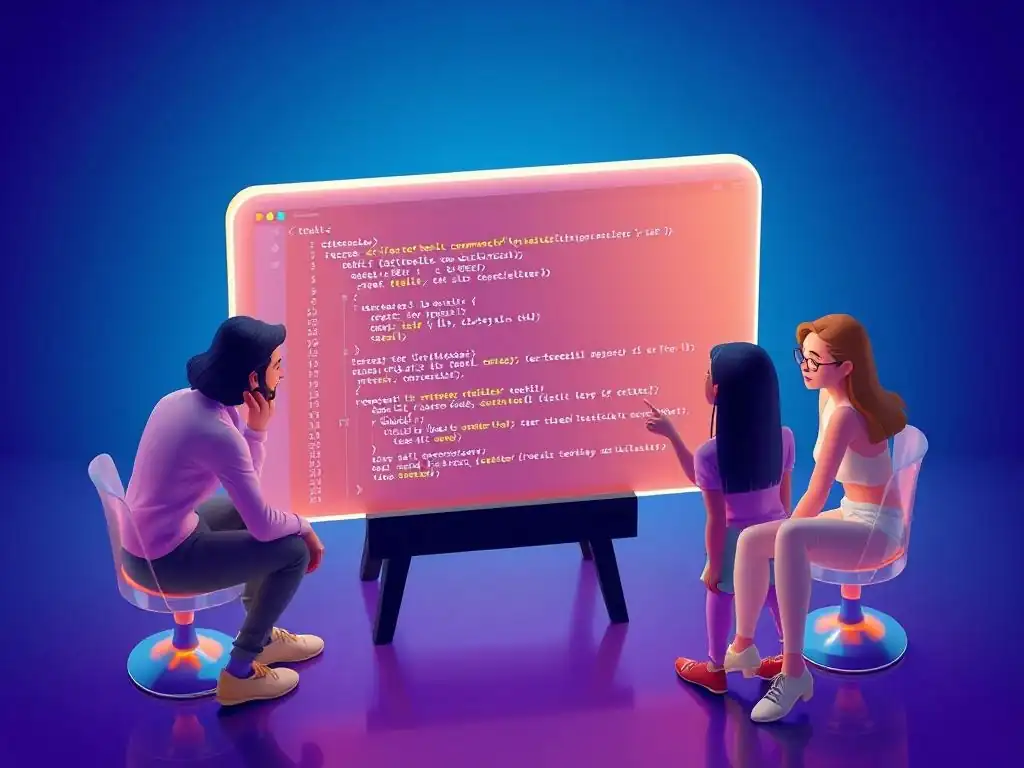
Welcome to the Git and Version Control Hub, your central resource for mastering the art of collaborative coding! Ever wondered how to streamline your frontend code reviews with Git, ensuring higher quality and smoother teamwork? Delve into this article to unlock practical strategies and best practices that will transform your development workflow, and learn how Git can be your greatest ally in building robust, error-free applications. What hidden potential does Git hold for your team's code reviews? Let's find out!
- Introduction to Frontend Code Reviews Using Git
-
Frequently Asked Questions
- What is the main benefit of using Git for frontend code reviews?
- How does Git facilitate asynchronous code reviews?
- What Git features are particularly useful for frontend code reviews?
- How can I use Git to automate aspects of frontend code reviews?
- What are some best practices for conducting effective frontend code reviews with Git?
- Final Reflection: Cultivating Excellence Through Shared Code
- Unleash Your Code's Potential: Take Action Now!
Introduction to Frontend Code Reviews Using Git
Why Code Reviews Matter for Frontend Development
Frontend development has evolved from simple HTML and CSS to complex, JavaScript-heavy applications that power user experiences across the web. In this intricate landscape, the importance of code reviews cannot be overstated, especially when leveraging Git for version control. Code reviews in frontend development are a proactive measure to ensure code quality, catch potential bugs early in the development cycle, and promote knowledge sharing within the team. They serve as a critical checkpoint before code is merged into the main branch, significantly reducing the risk of introducing defects that could negatively impact user experience or application performance. Consider a scenario where a frontend developer implements a new feature that, while functional, introduces a performance bottleneck on mobile devices due to inefficient JavaScript code. A well-executed code review process would likely identify this issue before the code goes live, allowing for optimization and preventing a negative user experience for mobile users.
The benefits of frontend code reviews extend beyond just bug detection. They are instrumental in maintaining code consistency across the project, ensuring that different developers adhere to the same coding standards and architectural patterns. This uniformity is crucial for long-term maintainability and scalability of frontend applications.
Furthermore, code reviews act as a powerful learning tool, especially for junior developers who can learn from the experienced members of the team through constructive feedback. For instance, a senior frontend developer reviewing code from a junior colleague might suggest a more efficient way to handle state management in a React application or point out potential accessibility issues in the HTML structure. This collaborative learning environment not only improves the quality of the codebase but also elevates the skill set of the entire frontend team.
The Role of Git in Streamlining Frontend Code Reviews
Git, as a distributed version control system, is foundational for modern software development workflows, and its role in streamlining frontend code reviews is indispensable. Git's branching and merging capabilities provide a structured and efficient way to manage code changes and facilitate the review process. Instead of working directly on the main codebase, frontend developers can create feature branches for each new feature or bug fix.
This isolation ensures that ongoing development does not disrupt stable code and allows reviewers to examine changes in a focused and isolated environment. Imagine a frontend team working on a major website redesign. Using Git, they can create a dedicated branch for the redesign effort, allowing multiple developers to work concurrently without interfering with the live website or other ongoing feature developments.
The pull request (or merge request) functionality in Git-based platforms like GitHub, GitLab, or Bitbucket is specifically designed to enhance code review workflows. When a frontend developer completes a feature or fix on their branch, they create a pull request to merge their changes back into the main branch. This pull request serves as a formal invitation for other team members to review the code.
Git platforms provide intuitive interfaces for code reviewers to examine the changes, add comments directly to specific lines of code, and engage in discussions with the author. This structured and collaborative approach significantly simplifies the code review process, making it more efficient and transparent compared to less organized methods like sending code snippets via email or chat. The visual diff tools integrated into these platforms also make it easy to see exactly what changes have been made, facilitating a thorough and focused review.
Benefits of Implementing Frontend Code Reviews with Git
Implementing frontend code reviews with Git yields a multitude of benefits that directly contribute to the success of frontend projects and the overall development process. One of the most significant advantages is the improved code quality. By having multiple pairs of eyes examine the code before it's merged, the likelihood of catching bugs, performance bottlenecks, and security vulnerabilities is significantly increased.
Consider a scenario where a frontend developer introduces a cross-site scripting (XSS) vulnerability in a new feature. A code review focused on security best practices is highly likely to identify this vulnerability, preventing it from reaching production and potentially causing harm to users and the application's reputation.
Beyond code quality, frontend code reviews foster a culture of knowledge sharing and collaboration within the team. Reviewers gain insights into different approaches to problem-solving, learn new coding techniques, and understand various parts of the codebase, even those they didn't directly work on. This cross-pollination of knowledge makes the team more resilient and reduces the risk of knowledge silos.
Furthermore, consistent code reviews enforce coding standards and style guides, resulting in a more uniform and maintainable codebase. This consistency is particularly crucial in large frontend projects where multiple developers contribute over time. For example, if a team agrees on using a specific component library or follows a particular architectural pattern like Model-View-ViewModel (MVVM), code reviews can ensure that these standards are consistently applied throughout the project, leading to a more cohesive and easier-to-maintain frontend application.
Frequently Asked Questions
What is the main benefit of using Git for frontend code reviews?
Using Git for frontend code reviews allows for structured collaboration and helps maintain a clear history of changes. This facilitates better code quality and reduces the risk of errors.
How does Git facilitate asynchronous code reviews?
Git allows developers to create pull requests, enabling reviewers to examine the code at their convenience and provide feedback without interrupting the workflow of the original author. This supports efficient collaboration across different time zones.
What Git features are particularly useful for frontend code reviews?
Branching and merging are crucial, allowing for experimentation and integration of changes. Also, diff tools help reviewers quickly identify modifications between versions, improving the speed and accuracy of reviews.
How can I use Git to automate aspects of frontend code reviews?
Integrate Git with CI/CD pipelines. This enables automated checks for code style, linting, and testing on every pull request, ensuring consistent code quality and reducing manual review effort.
What are some best practices for conducting effective frontend code reviews with Git?
Focus on code clarity, maintainability, and performance. Provide constructive feedback, be specific about issues, and suggest solutions. Remember to test the code locally before approving the pull request.
The journey of crafting quality frontend code, as explored throughout this article, culminates in the crucial practice of frontend code reviews with Git. This isn't merely a procedural step; it's a cornerstone of collaborative development, ensuring maintainability, preventing errors, and fostering a culture of continuous improvement in our ever-evolving digital landscape.
The impact of rigorous code reviews extends far beyond the immediate project. It shapes the skills of individual developers, strengthens team cohesion, and ultimately elevates the quality of the software we build. This process, when embraced wholeheartedly, transforms coding from a solitary endeavor into a shared pursuit of excellence. Quality is never an accident; it is always the result of high intention, sincere effort, intelligent direction and skillful execution; it represents the wise choice of many alternatives.
- William A. Foster
As we conclude, I invite you to consider how you can integrate and champion frontend code reviews with Git in your own projects and teams. Embrace the power of shared knowledge, constructive feedback, and collaborative problem-solving. By fostering a culture of open communication and continuous learning, you can not only improve the quality of your code but also empower your team to reach new heights of innovation and success. Let's build a future where every line of code reflects our collective commitment to excellence.
Unleash Your Code's Potential: Take Action Now!
Thanks for exploring frontend code reviews with Git! We hope this article has given you practical strategies to improve code quality and team collaboration. Ready to put this knowledge into practice?
Here's what you can do next:
- Integrate code reviews into your next frontend project using Git. Prioritize early and frequent reviews for the best results.
- Share this article with your team and discuss how to adapt these Git-based code review practices to your workflow. Encourage feedback and experimentation.
- Try a challenge: Review a previous code segment with a fresh perspective. You might be surprised by your findings!
What's one Git command you'll use today to improve your code review process? Share it in the comments!