
Leading Open Source with Git: Best Practices for Maintainers

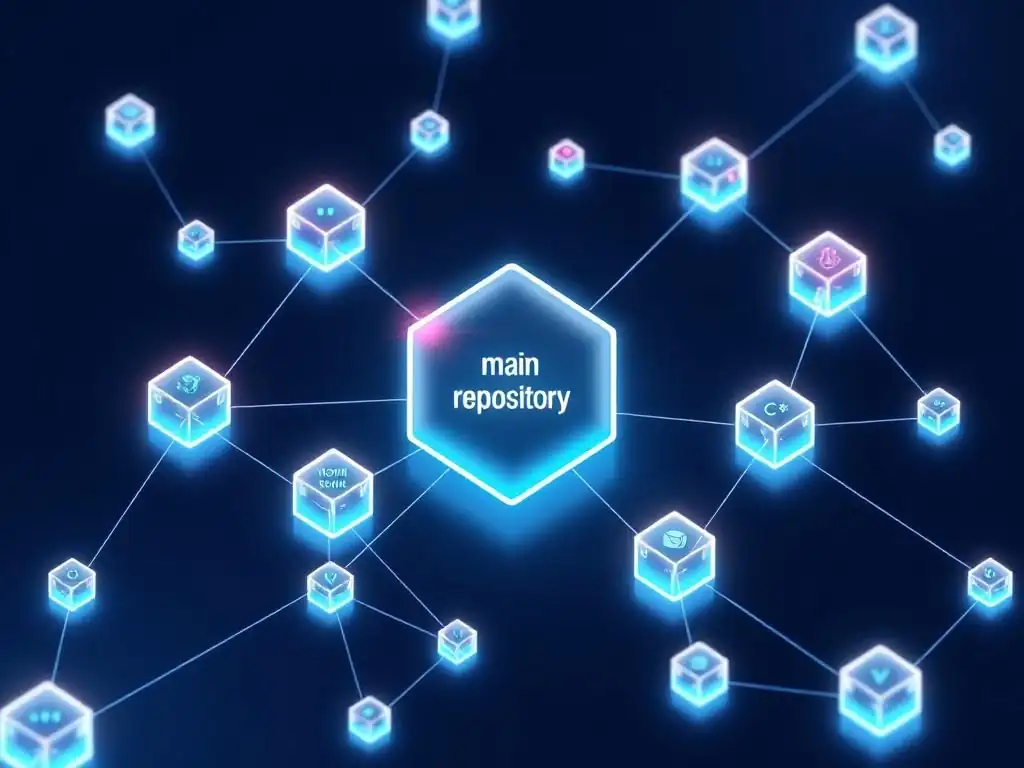
Welcome to Git and Version Control Hub, your central resource for mastering the art of version control!
Are you ready to elevate your Git game and become a more effective leader in open source projects? Dive into our comprehensive guide on Best Practices for Git Maintainers and unlock strategies to streamline your workflow, foster collaboration, and ensure the long-term health of your projects. Curious about how to navigate complex merge requests and maintain a clean, efficient codebase? Let's explore!
- Introduction: The Crucial Role of Git Maintainers in Open Source
-
Frequently Asked Questions
- What are some key responsibilities of a Git maintainer in an open source project?
- How can Git maintainers effectively manage a large number of pull requests?
- What are some recommended strategies for resolving merge conflicts in Git?
- How can Git maintainers foster a welcoming and collaborative community around their project?
- What are some best practices for creating and managing branches in a Git repository?
- Final Reflection: Cultivating Collaborative Code
- Ignite Your Open Source Leadership!
Introduction: The Crucial Role of Git Maintainers in Open Source
Understanding the Responsibilities of an Open Source Git Maintainer
Open source Git maintainers are the unsung heroes behind the collaborative power of the open web. Their role extends far beyond simply merging code. They are the custodians of a project's integrity, guiding its direction, fostering a healthy community, and ensuring its long-term sustainability. A maintainer is responsible for curating contributions, ensuring code quality, and setting the technical vision for the project. This often involves reviewing pull requests, addressing issues, making architectural decisions, and communicating effectively with contributors. They are part technical expert, part community manager, and part project visionary, wearing many hats to keep the project thriving.
The responsibilities of a Git maintainer are multifaceted and demanding. They must possess deep technical knowledge of Git and the project's codebase, but also strong interpersonal and communication skills. Consider the maintainer of the Linux kernel, a project of immense scale and complexity.
They must manage thousands of contributions from developers worldwide, ensuring that each change aligns with the kernel's overall goals and maintains its stability. Similarly, maintainers of smaller projects, even libraries used by a few dozen developers, still shoulder the responsibility of guiding the project's evolution and supporting its users. Effectively, they are the gatekeepers of the project's repository, ensuring the quality and direction of all contributions.
Why Effective Git Maintenance is Key to Project Success
Effective Git maintenance is not just good practice; it is the bedrock of a successful open source project. A well-maintained Git repository fosters trust and encourages contributions. When contributors see a project that is actively managed, with timely responses to issues and pull requests, and clear guidelines for contribution, they are more likely to engage and invest their time. Conversely, a neglected repository with unanswered issues, stagnant pull requests, and unclear direction can quickly deter potential contributors and users alike. The state of the Git repository often mirrors the health and vitality of the open source project itself.
The impact of effective Git maintenance extends to the quality and longevity of the software. Consistent code reviews, clear branching strategies, and robust testing processes, all cornerstones of good Git maintenance, directly contribute to a higher quality codebase. For example, projects like React and Vue.js, renowned for their stability and vibrant communities, have benefited from meticulous Git maintenance practices.
These projects prioritize thorough code review processes and have clearly defined contribution workflows, resulting in fewer bugs and a more reliable user experience. In essence, effective Git maintenance is a proactive approach to ensuring the long-term health, stability, and success of any open source endeavor.
Best Practices for Repository Setup, Contribution Management, and Security.
Establishing best practices from the outset is crucial for effective Git maintenance. This encompasses repository setup, contribution management, and security. For repository setup, choosing the right hosting platform and configuring branching strategies are paramount. Platforms like GitHub, GitLab, and Sourcehut offer different features tailored to open source needs, from issue tracking to CI/CD integration. Branching strategies, such as Trunk-Based Development or Gitflow, dictate how development occurs and releases are managed, impacting workflow efficiency and project stability. A well-structured repository lays the foundation for organized and scalable development.
Contribution management involves defining clear processes for how external contributions are handled. This includes setting up a robust code review process using Pull Requests, defining code ownership, and establishing clear communication channels. Projects like Django and Kubernetes exemplify strong contribution management. They have detailed contribution guidelines, utilize pull requests for all code changes, and employ code owners to ensure expert review.
Security, often an overlooked aspect, is equally vital. Implementing branch protection rules, regularly auditing commit history, and managing secrets responsibly are essential to safeguard the project from vulnerabilities and malicious attacks. These best practices, when implemented thoughtfully, create a secure and welcoming environment for both maintainers and contributors, paving the way for a thriving open source project.
Frequently Asked Questions
What are some key responsibilities of a Git maintainer in an open source project?
Maintainers are responsible for reviewing contributions, managing branches, and ensuring the overall quality of the codebase. They also often guide the direction of the project.
How can Git maintainers effectively manage a large number of pull requests?
Prioritize pull requests based on impact and urgency. Implement a clear code review process and encourage contributors to address feedback promptly.
What are some recommended strategies for resolving merge conflicts in Git?
Communicate clearly with the involved contributors to understand the conflict. Use tools like git mergetool to resolve conflicts manually and carefully.
How can Git maintainers foster a welcoming and collaborative community around their project?
Establish clear contribution guidelines and a code of conduct. Be responsive to questions and feedback, and acknowledge contributors' efforts.
What are some best practices for creating and managing branches in a Git repository?
Use descriptive branch names and follow a consistent branching strategy (e.g., Gitflow). Keep the main branch stable and use feature branches for isolated development.
Final Reflection: Cultivating Collaborative Code
The journey through open source, guided by Git, is more than just technical proficiency; it's about fostering collaboration and building thriving communities. The best practices for Git maintainers, as explored in this article, are not merely guidelines but the very foundation upon which successful open-source projects are built. These practices, from clear commit messages to thoughtful code reviews, directly impact the project's health, accessibility, and long-term sustainability, making them critically relevant in today's increasingly collaborative software development landscape.
The influence of open source, driven by tools like Git and guided by effective maintainers, continues to reshape the software industry and beyond. Witnessing the power of collective effort, the innovation born from shared knowledge, and the democratization of technology is truly inspiring. The future of software is open source, and the future of open source is community.
This quote encapsulates the profound impact that well-maintained projects have on empowering individuals and organizations alike, fostering a culture of continuous improvement and shared ownership.
Now, consider how you can apply these principles in your own endeavors. Whether you're a seasoned maintainer or just starting your open-source journey, remember that your actions shape the future of the project and the community around it. Embrace these best practices, champion collaboration, and strive to create a welcoming and inclusive environment. Let's all contribute to a more open, accessible, and innovative future, one commit at a time.
Ignite Your Open Source Leadership!
Thank you for reading "Leading Open Source with Git: Best Practices for Maintainers"! We hope this article has provided you with valuable insights and inspiration to enhance your open-source leadership. Now, let's put that knowledge into practice.
Here are a few actionable steps you can take immediately:
- Implement a new Git best practice from this article in your open source project this week. Don't just read about it – apply it!
- Analyze the Git histories of other projects on platforms like GitHub or GitLab to observe how experienced maintainers handle complex codebases and learn from their approaches.
- Share your Git workflow tips and tricks with other maintainers in online forums or on social media using the hashtag #GitLeadership – let's foster a thriving community!
What's the first Git best practice you'll implement, and how do you anticipate it will improve your project's workflow? Share your plans in the comments below!