
Building a Vibrant Open Source Community: Tips from the Trenches

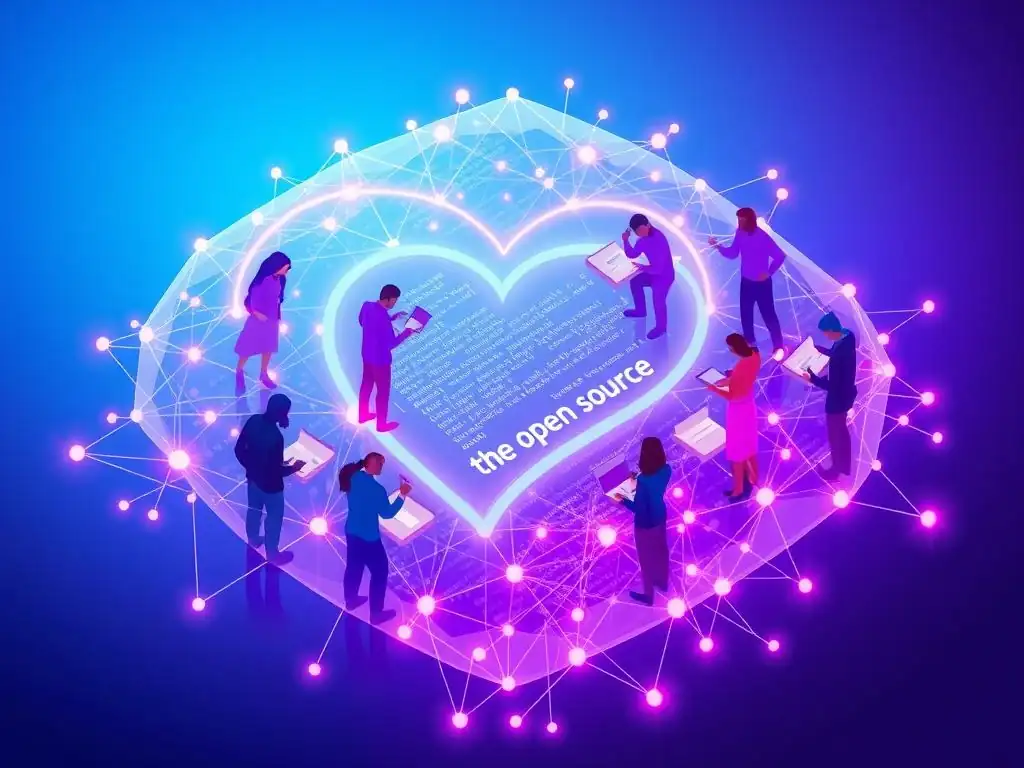
Welcome to Git and Version Control Hub!
Are you ready to unlock the full potential of collaborative coding? Dive into our latest article, Building a Vibrant Open Source Community: Tips from the Trenches, where we share actionable strategies for fostering engagement and growth within your open source projects. From effective communication to streamlined workflows, discover how to cultivate a thriving community around your code. Curious about what makes a project truly resonate? Let's explore the secrets together and learn how to create an open source ecosystem that attracts contributors and drives innovation. What are the key ingredients? Read on to find out!
- Defining Project Vision and Values
-
Frequently Asked Questions
- What are the most important initial steps in attracting contributors to an open source project?
- How can I effectively manage contributions from diverse backgrounds within an open source project?
- What are some effective methods for keeping contributors engaged and motivated in the long run?
- How important is it to establish clear guidelines for contributing to the project?
- What role does documentation play in the success of an open source community?
- Final Reflection: Cultivating Collaborative Futures
- Ignite Your Open Source Impact!
Defining Project Vision and Values
- The Importance of a Clear Mission
- Establishing Core Values for Collaboration
The Importance of a Clear Mission
A well-defined mission statement acts as the North Star for any open source project. It articulates the project's purpose, goals, and the problem it aims to solve. This clarity is crucial for attracting contributors who resonate with the project's objectives. For instance, the mission of the Linux kernel project is to create a free and open-source operating system kernel.
This straightforward mission has attracted countless developers globally, all working towards a shared understanding of what the project stands for. Projects lacking a clear mission often struggle to gain traction as potential contributors find it difficult to understand the project's direction and long-term goals. A clear mission provides focus and purpose, serving as a foundational element for community building.
A project's mission should be easily accessible and understandable, often featured prominently in the project's README file and website. Consider the mission of the VLC media player project: to play everything. This simple yet powerful mission has resonated with users and developers alike, contributing to its widespread adoption and active community. When a project's mission is vague or constantly shifting, it can lead to confusion and disillusionment among contributors. Therefore, taking the time to clearly define and communicate the project's mission is one of the essential tips for open source communities seeking to build a strong and engaged base.
Establishing Core Values for Collaboration
Beyond a clear mission, establishing core values for collaboration defines the culture and expected behavior within the open source community. These values dictate how contributors interact with each other, make decisions, and handle conflicts. Examples of core values could include inclusivity, transparency, respect, open communication, and a commitment to learning and growth. The Python Software Foundation, for example, emphasizes community and collaboration as central tenets, reflected in their Code of Conduct and community guidelines. These values shape the interactions within the Python community and contribute to its welcoming and productive environment.
Core values are not just aspirational statements; they should be actively promoted and upheld within the community. This can involve incorporating them into onboarding processes for new contributors, referencing them in decision-making processes, and consistently modeling them by project maintainers and leaders. Projects that explicitly define and live by their core values tend to foster healthier, more resilient communities.
Conversely, a lack of defined values can lead to inconsistent behavior, internal conflicts, and a less welcoming environment, ultimately hindering community growth and project success. Therefore, defining and consistently reinforcing core values is a vital tip for open source communities aiming to cultivate a positive and collaborative atmosphere.
Frequently Asked Questions
What are the most important initial steps in attracting contributors to an open source project?
The most important initial steps are to clearly define the project's mission and create comprehensive documentation. This makes it easy for newcomers to understand the project's goals and how they can contribute.
How can I effectively manage contributions from diverse backgrounds within an open source project?
Foster a welcoming and inclusive environment by establishing clear guidelines for communication and contribution. Utilize a code of conduct and actively moderate discussions to ensure respectful interactions.
What are some effective methods for keeping contributors engaged and motivated in the long run?
Regularly acknowledge and appreciate contributions, both big and small. Provide opportunities for contributors to take on leadership roles and offer ongoing mentorship and support.
How important is it to establish clear guidelines for contributing to the project?
Establishing clear guidelines is absolutely crucial. It sets expectations for code quality, contribution style, and workflow, leading to a more consistent and maintainable codebase.
What role does documentation play in the success of an open source community?
Documentation is vital for onboarding new contributors and helping existing ones understand the project. Good documentation reduces the barrier to entry, making it easier for people to contribute effectively.
Final Reflection: Cultivating Collaborative Futures
The insights shared throughout this article underscore the enduring power of community, particularly in the realm of open source. Building a vibrant open source community is not merely about code; it's about fostering human connection, shared purpose, and collaborative innovation. As technology continues to permeate every facet of our lives, the principles of open source – transparency, collaboration, and inclusivity – become increasingly vital for shaping a more equitable and innovative future.
The journey of building and nurturing an open source community is a continuous learning process, a dance between structure and spontaneity. My own experiences have shown me that the true magic lies in empowering individuals to contribute their unique skills and perspectives, creating a space where everyone feels valued and heard. If you want to go fast, go alone. If you want to go far, go together.
This African proverb perfectly encapsulates the spirit of open source, reminding us that collective effort yields far greater results than individual endeavors.
Now, consider how you can apply these lessons to your own endeavors, whether you're a seasoned open source contributor or just beginning your journey. Reflect on the communities you're a part of, and ask yourself: How can you contribute to a more welcoming, collaborative, and vibrant environment? Embrace the spirit of open source, not just in code, but in all aspects of your life, and together, we can build a future where innovation thrives and everyone has the opportunity to contribute.
Ignite Your Open Source Impact!
Thank you for diving into the world of open source communities! We hope you've gained valuable insights into fostering collaboration and growth within your own projects. Now, it's time to put that knowledge into action and make a tangible difference.
Here are a few ways to jumpstart your community-building journey:
- Immediately identify and personally reach out to one inactive contributor from your project. Offer support and encouragement to reignite their passion! This small gesture can have a huge impact.
- Explore other open source projects related to yours and find one that could benefit from a collaborative effort. Consider proposing a joint project or feature.
- Share this article with your team or other community members and host a brainstorming session to discuss how you can implement these strategies in your own projects.
What's the very first step you'll take to strengthen your open source community today? Share your plans in the comments below!