
Building Bridges: How Governance Connects Developers, Users, and Stakeholders in Open Source

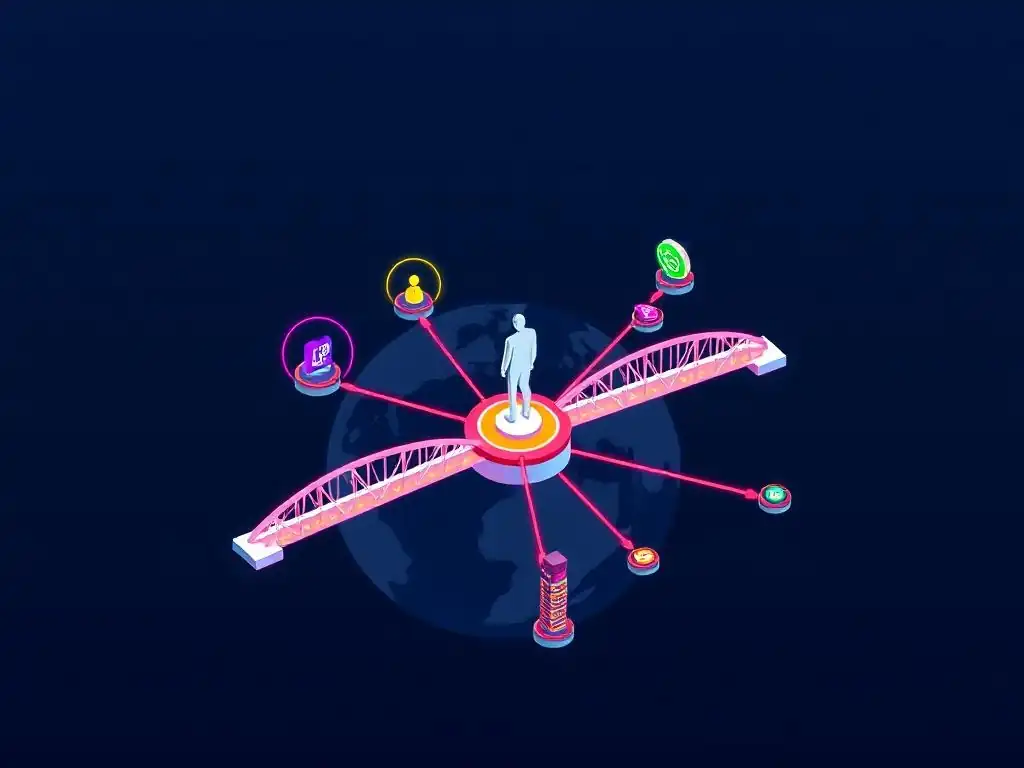
Welcome to Git and Version Control Hub, your go-to resource for mastering Git and version control. Ever wondered how open source projects manage to coordinate the efforts of countless contributors? Dive into our latest article, " Building Bridges: How Governance Connects Developers, Users, and Stakeholders in Open Source," where we unravel the intricacies of Governance in Open Source Projects. Discover how effective governance structures foster collaboration, ensure project longevity, and build thriving communities. Intrigued? Let's explore how these principles can revolutionize your workflow and contribute to the success of open source initiatives!
- Understanding Governance in Kubernetes: A Vital Connection
-
Frequently Asked Questions
- How does governance impact the success of open-source projects?
- What are the key elements of good governance in an open-source project?
- How can open-source projects encourage greater stakeholder engagement through governance?
- What role does documentation play in effective open-source governance?
- How does governance help to resolve conflicts within open-source communities?
- Final Reflection: The Enduring Architecture of Collaboration
- Unleash Your Open Source Potential!
Understanding Governance in Kubernetes: A Vital Connection
Why Governance Matters for Kubernetes Success
Governance in Kubernetes is not merely a set of rules; it is the backbone that ensures the project's long-term health, sustainability, and relevance. Imagine Kubernetes as a bustling city: without effective governance, chaos would ensue. Governance in this context provides the necessary framework for decision-making, conflict resolution, and strategic direction.
It dictates how features are proposed, developed, and integrated, ensuring that the project evolves in a coherent and beneficial way for its vast community. Without clear governance, contributions could become fragmented, priorities misaligned, and the project's vision diluted, potentially leading to stagnation or even decline. Therefore, a robust governance model is not just a "nice-to-have," but a critical component for the continued success and widespread adoption of Kubernetes.
Effective governance is particularly crucial for open source projects like Kubernetes due to their inherently distributed and collaborative nature. Unlike proprietary software developed within a single organization, Kubernetes relies on the contributions of thousands of individuals and hundreds of companies globally. This diverse ecosystem, while a source of immense strength and innovation, also presents unique challenges.
Governance acts as the glue that binds these disparate entities together, providing a shared framework for collaboration and ensuring that the project moves forward in a unified direction. It establishes trust and transparency, encouraging participation and fostering a sense of collective ownership, which are vital for the long-term vitality of any open source endeavor, especially one as impactful and complex as Kubernetes.
The Interplay: Developers, Users, and Stakeholders in the Kubernetes Ecosystem
The Kubernetes ecosystem thrives on the dynamic interaction between three key groups: developers, users, and stakeholders. Governance serves as the crucial intermediary, facilitating communication, collaboration, and alignment amongst them. Developers, the engine of innovation, contribute code, fix bugs, and propose new features. Users, ranging from individual hobbyists to massive corporations, deploy and operate Kubernetes in diverse environments, providing invaluable real-world feedback and use cases. Stakeholders, encompassing cloud providers, vendors, and the Cloud Native Computing Foundation (CNCF), offer resources, funding, and strategic guidance to ensure the project's continued growth and relevance.
Governance mechanisms within Kubernetes are designed to ensure that each group's voice is heard and considered in the project's evolution. For developers, governance provides clear pathways for contribution, ensuring that their efforts are aligned with the project's overall direction and technical standards. For users, governance offers channels to voice their needs, report issues, and influence feature development based on their practical experiences.
For stakeholders, governance provides transparency and accountability, demonstrating how their investments and contributions are contributing to the project's success and ensuring its long-term viability. This intricate interplay, orchestrated by governance, creates a virtuous cycle of innovation, adoption, and improvement that is fundamental to the Kubernetes project's ongoing success.
Frequently Asked Questions
How does governance impact the success of open-source projects?
Effective governance establishes clear decision-making processes and community guidelines, fostering trust and encouraging participation. This, in turn, leads to a more robust and sustainable project.
What are the key elements of good governance in an open-source project?
Good governance usually includes a defined leadership structure, transparent communication channels, and clear contribution guidelines. These elements ensure fairness and inclusivity.
How can open-source projects encourage greater stakeholder engagement through governance?
By establishing open forums for discussion and actively soliciting feedback from users and contributors, projects can demonstrate a commitment to inclusivity. This builds trust and encourages participation.
What role does documentation play in effective open-source governance?
Comprehensive documentation, including contribution guidelines, code of conduct, and decision-making processes, provides clarity and transparency. This helps new contributors and users understand how the project operates.
How does governance help to resolve conflicts within open-source communities?
Well-defined conflict resolution mechanisms, such as a code of conduct and a mediation process, are crucial for addressing disagreements fairly and constructively. This maintains a healthy and productive community.
Final Reflection: The Enduring Architecture of Collaboration
The exploration of governance in open source projects reveals a truth that resonates far beyond lines of code: effective collaboration hinges on well-defined structures and shared understanding. In a world increasingly reliant on open source innovation, the principles of transparency, inclusivity, and accountability are not merely best practices, but essential foundations for sustainable growth and meaningful impact.
The journey through the intricacies of governance models has underscored the profound influence these frameworks exert on the cultural landscape of open source. Witnessing how communities self-organize and navigate complex challenges highlights the inherent human capacity for cooperation and collective problem-solving. The strength of open source isn't just in the code; it's in the community that builds it.
This sentiment encapsulates the very essence of what makes these projects thrive, reminding us that technology is ultimately a tool to empower human connection.
As we conclude this exploration, I invite you to consider the lessons learned about governance and their applicability to your own endeavors. Whether you're a developer, a user, or simply a curious observer, remember that building bridges requires more than just good intentions; it demands a commitment to fostering environments where diverse voices are heard, and shared goals are pursued with unwavering dedication. Embrace the spirit of open source – the spirit of collaboration, transparency, and continuous improvement – and contribute to building a future where technology serves as a catalyst for positive change.
Unleash Your Open Source Potential!
Thanks for diving into the world of open source governance! We hope you now have a clearer understanding of how vital it is to connect developers, users, and stakeholders. Ready to put that knowledge into action?
- Empower your project: Draft a basic governance document for your existing open source project outlining roles, responsibilities, and decision-making processes.: This is your chance to build a more collaborative and sustainable community.
- Explore related projects: Check out the governance models of other open-source projects on platforms like GitHub to see what works and what doesn't.
- Share your insights: Write a blog post, short article, or social media thread outlining your biggest takeaway from this article.
What's one governance practice you'll implement in your projects this week?