
Unlocking Open Source Success: The GitCentric Guide to Community Building

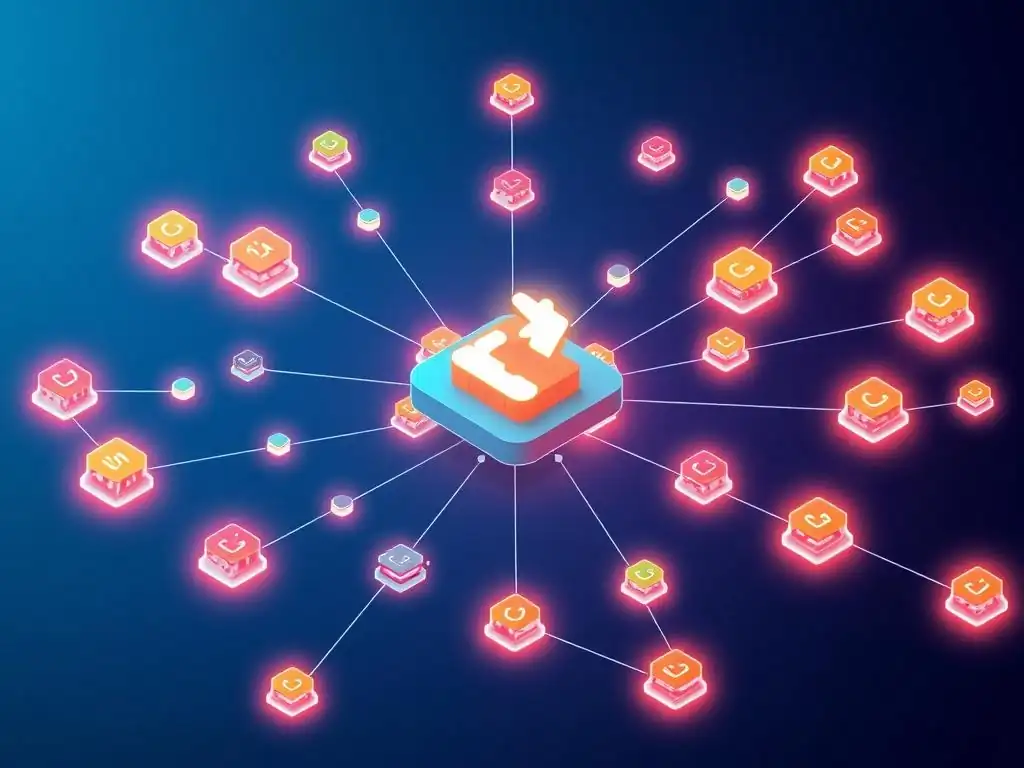
Welcome to the Git and Version Control Hub!
Are you ready to unlock the power of Git to build thriving open source communities? This is your starting point. Dive into our comprehensive guide, " Unlocking Open Source Success: The GitCentric Guide to Community Building," and discover how mastering version control can be the key to fostering collaboration, managing contributions, and ultimately, creating impactful open source projects. Curious how Git can transform your community? Read on to find out!
Building Thriving Open Source Communities: A Git-First Approach
- Introduction: Why Git is Essential for Open Source Community Growth
-
Frequently Asked Questions
- How can Git help in building an open-source community?
- What are some essential Git commands for community members contributing to an open-source project?
- How does branching and merging in Git support collaborative open-source development?
- How can Git platforms like GitHub and GitLab facilitate open-source community interaction?
- What role does version control play in ensuring the long-term maintainability of an open-source project?
- Final Reflection: Cultivating Collaboration Through Git
- Ignite Your Open Source Journey Today!
Introduction: Why Git is Essential for Open Source Community Growth
The Power of Collaboration in Open Source Development
Open source development thrives on collaboration. It's a collective endeavor where individuals from diverse backgrounds and locations come together to contribute to a shared project. This collaborative nature is not merely a philosophical ideal; it's the engine that drives innovation and progress in the open source world.
When developers collaborate effectively, they bring a wider range of skills, perspectives, and experiences to the table, leading to more robust, feature-rich, and adaptable software. This synergy results in code that is often more thoroughly tested, better documented, and more widely applicable than software developed in isolation. The open and transparent nature of collaborative development also fosters a sense of community ownership and shared responsibility, encouraging active participation and long-term project sustainability.
Furthermore, collaboration in open source extends beyond just code contributions. It encompasses documentation, testing, bug reporting, feature requests, and community support. Each of these aspects is crucial for the health and growth of an open source project. Effective collaboration mechanisms empower individuals to contribute in various ways, regardless of their coding expertise. This inclusivity broadens the contributor base and strengthens the project ecosystem. By fostering a collaborative environment, open source projects can leverage the collective intelligence of a global community to achieve goals that would be unattainable by individuals or small teams working in silos.
Git as the Foundation for Open Source Community
Git is not just a version control system; it is the technological bedrock upon which modern open source communities are built. Its distributed nature, branching capabilities, and robust merging mechanisms are perfectly tailored to facilitate the asynchronous and geographically dispersed collaboration that characterizes open source projects. Before Git, managing contributions from numerous developers, tracking changes, and integrating code was a complex and often chaotic process. Git revolutionized this landscape by providing a decentralized and efficient system for managing code changes, enabling seamless collaboration on a global scale.
The fundamental features of Git directly address the core challenges of open source collaboration. Branching allows developers to work on new features or bug fixes in isolation without disrupting the main codebase, fostering experimentation and innovation. Pull requests provide a structured mechanism for code review and contribution integration, ensuring code quality and community oversight.
Moreover, Git's transparency, through its detailed commit history and branching structure, creates an auditable trail of project evolution, fostering trust and accountability within the community. In essence, Git provides the technical infrastructure that empowers open source communities to organize, collaborate, and build complex software projects effectively.
Frequently Asked Questions
How can Git help in building an open-source community?
Git provides a transparent and collaborative platform for development. It allows multiple contributors to work on the same project simultaneously, tracking changes and resolving conflicts efficiently, which is crucial for open-source community growth.
What are some essential Git commands for community members contributing to an open-source project?
Essential commands include git clone to download the repository, git branch to create feature branches, git commit to save changes, git push to upload changes, and git pull to update your local repository.
How does branching and merging in Git support collaborative open-source development?
Branching allows developers to work on new features or bug fixes in isolation without affecting the main codebase. Merging then integrates these changes back, ensuring a stable and well-tested project, and promoting parallel development.
How can Git platforms like GitHub and GitLab facilitate open-source community interaction?
Platforms like GitHub and GitLab offer tools for issue tracking, pull requests, and code review, creating a centralized space for community members to discuss, contribute, and manage the project, encouraging transparent communication.
What role does version control play in ensuring the long-term maintainability of an open-source project?
Version control with Git allows for easy rollback to previous states, tracking of changes, and management of contributions. This ensures that the project remains stable, organized, and maintainable over time, even with many contributors.
Final Reflection: Cultivating Collaboration Through Git
The principles outlined in this guide, centered around Git as the cornerstone of open source community building, are more vital now than ever. In a world increasingly reliant on collaborative software development, understanding how to leverage Git's power to foster inclusive and productive communities is no longer optional; it's essential for innovation and progress.
This GitCentric approach has profoundly shaped, and continues to shape, the landscape of open source. The ability to track contributions, manage versions, and facilitate transparent communication through Git has democratized software development, empowering individuals and organizations to collaborate on a global scale. The future of software is open source; I can't imagine a world where it isn't.
- Matt Mullenweg. This quote encapsulates the spirit of collaboration that Git enables, driving innovation and creating a more equitable and accessible technological future.
Now, consider how you can apply these GitCentric principles to your own projects and communities. Embrace the power of branching, pull requests, and clear communication. Foster a culture of inclusivity and mentorship. By actively participating in and contributing to open source, you can not only build better software but also help shape a more collaborative and innovative world.
Ignite Your Open Source Journey Today!
Thank you for reading our guide on building thriving open source communities! We hope you've gained valuable insights and feel inspired to foster collaboration and innovation. Ready to take your project to the next level?
Here's how you can get started:
- Contribute to an open source project this week. Even a small contribution makes a difference.
- Connect with fellow developers and share your experiences on the GitAndVersionControlHub.com forums.
- Consider organizing a local Git workshop or meetup to share your knowledge and grow the community!
What's your next step towards building a stronger open source community? Share your ideas in the comments below!