
Turn Feature Requests into Gold: Optimizing Issue Templates for Public Projects

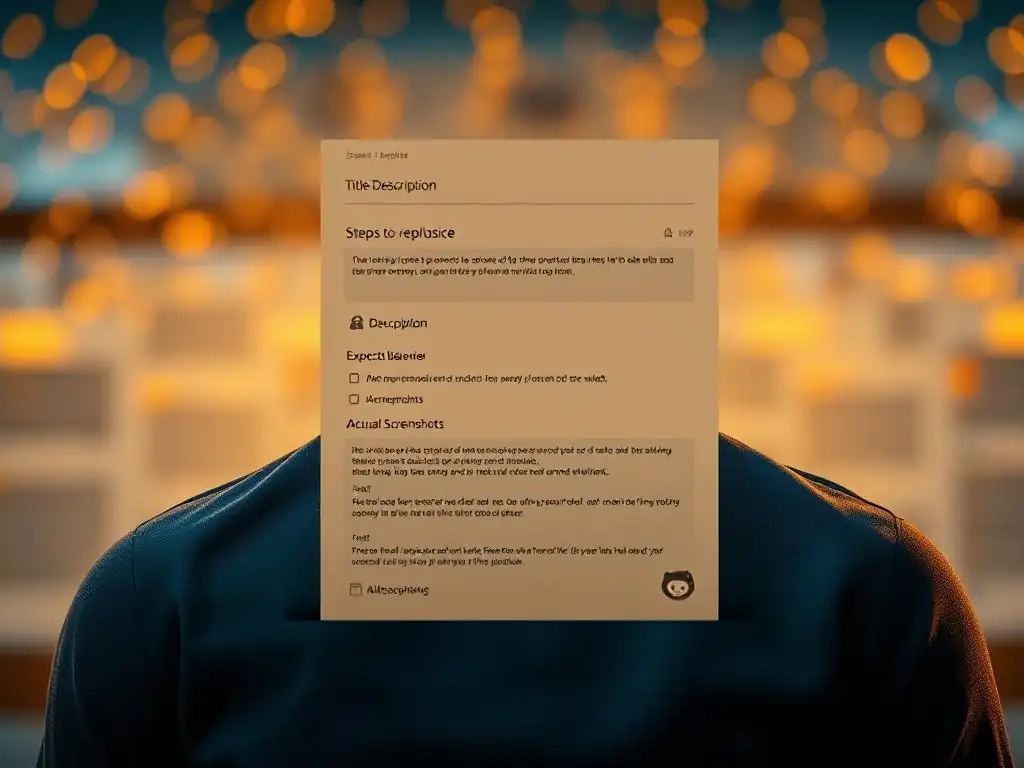
Welcome to Git and Version Control Hub, your central resource for all things Git!
Ever felt overwhelmed by vague feature requests on your open-source projects? Dive into our latest article, Turn Feature Requests into Gold: Optimizing Issue Templates for Public Projects, where we unlock the secrets to GitHub issue template optimization. Learn how structured templates can transform chaotic user feedback into actionable insights, streamlining your development process and fostering a more engaged community. Intrigued? Discover how to harness the power of optimized issue templates to revolutionize your project's workflow below!
Streamlining Contributions: Optimizing Issue Templates for Public Projects
- Introduction: Enhancing Open Source Collaboration with Effective Issue Templates
-
Frequently Asked Questions
- What exactly is GitHub issue template optimization, and why is it important?
- How can optimizing GitHub issue templates help with feature requests?
- What are some key elements of a good GitHub issue template for feature requests?
- Can optimizing issue templates improve collaboration within a development team?
- How does GitAndVersionControlHub.com assist developers with GitHub issue template optimization?
- Final Reflection: Cultivating Collaboration Through Clear Communication
- Unveil the Magic: Craft Your Perfect Issue Template!
Introduction: Enhancing Open Source Collaboration with Effective Issue Templates
The Importance of Issue Templates for Efficient Open Source Projects
In the realm of open source, where contributions come from a diverse and often globally distributed community, efficient communication is paramount. Issue templates serve as the cornerstone of this communication, particularly within platforms like GitHub. Without structured issue templates, public projects often face a deluge of unstructured, vague, and sometimes incomplete reports.
This unstructured influx can quickly overwhelm maintainers, leading to increased triage time, duplicated efforts, and ultimately, slower project velocity. Issue templates, when thoughtfully designed, act as a filter and a guide, ensuring that contributors provide the necessary information from the outset, thereby streamlining the issue reporting and resolution process.
Consider a popular open-source project like requests, a widely used Python library for making HTTP requests. Imagine if requests didn't utilize issue templates. Maintainers would likely be inundated with bug reports lacking crucial details like the Python version, the requests version, or the operating system on which the bug occurred. This lack of initial information would necessitate back-and-forth communication, significantly delaying issue diagnosis and resolution. Issue templates, therefore, are not merely a convenience; they are a critical tool for maintaining order and efficiency in open source projects, enabling maintainers to focus on code and community growth rather than issue wrangling.
Transforming Feature Requests into Actionable Insights through Structured Templates
Beyond bug reports, issue templates are equally vital for managing feature requests in public projects. Open source projects thrive on community input and feature suggestions. However, without a structured approach, feature requests can be nebulous ideas lacking the necessary context or justification. An unguided feature request might simply state, "Add a dark mode," without detailing the use case, target audience, or potential benefits. This kind of vague request is difficult to evaluate and prioritize, often leading to lengthy discussions and potential misunderstandings.
Optimized issue templates transform these potentially vague feature requests into actionable insights by prompting contributors to think critically about their suggestions. A well-designed feature request template will ask for details like the user story behind the feature, the problem it solves, alternative solutions considered, and the expected benefits.
For example, a feature request template for a text editor might ask contributors to describe their workflow and how the proposed feature would improve it, or to provide examples of similar features in other editors they find useful. By guiding contributors to provide this level of detail, issue templates enable maintainers to quickly understand the rationale behind feature requests, assess their feasibility and impact, and make informed decisions about project direction, ultimately converting raw ideas into valuable, actionable contributions.
Frequently Asked Questions
What exactly is GitHub issue template optimization, and why is it important?
It refers to customizing the templates users see when creating issues on a GitHub repository. This is important because it ensures clear and actionable information is provided upfront, saving time and improving communication.
How can optimizing GitHub issue templates help with feature requests?
Well-designed templates guide users to provide all the necessary details when suggesting a feature. This leads to better informed decisions and reduces back-and-forth communication for clarification.
What are some key elements of a good GitHub issue template for feature requests?
A good template includes sections for describing the proposed feature, explaining the user problem it solves, and detailing the expected benefits and use cases.
Can optimizing issue templates improve collaboration within a development team?
Yes. By providing clear guidelines and structure, optimized templates ensure everyone understands the scope and requirements of each issue, leading to more efficient collaboration.
How does GitAndVersionControlHub.com assist developers with GitHub issue template optimization?
GitAndVersionControlHub.com offers detailed tutorials and best practices on creating effective issue templates. It also provides practical examples and guidance on integrating them into existing workflows.
Final Reflection: Cultivating Collaboration Through Clear Communication
The principles of GitHub issue template optimization, while seemingly technical, are profoundly human; they represent a commitment to clear communication and collaborative problem-solving in the digital age. In a world increasingly driven by open-source contributions and community-led projects, the ability to effectively gather and process feedback is paramount to success. Ignoring this crucial step is akin to building a house without a foundation, leaving projects vulnerable to miscommunication, wasted effort, and ultimately, stagnation.
The impact of well-designed issue templates extends far beyond mere efficiency; it fosters a sense of inclusivity and empowers contributors to actively shape the direction of a project. This resonates deeply with the core values of open source, where transparency and accessibility are not just ideals, but essential ingredients for innovation. The best way to predict the future is to create it.
- Peter Drucker. This quote perfectly encapsulates the power of proactive issue template optimization in shaping the future of collaborative projects.
As you navigate your own projects, whether personal or professional, I urge you to consider the transformative potential of thoughtful issue template design. Embrace the opportunity to streamline communication, empower contributors, and unlock the true potential of collaborative development. Let's build a future where every voice is heard, and every contribution is valued, starting with the simple yet powerful act of optimizing our GitHub issue templates.
Unveil the Magic: Craft Your Perfect Issue Template!
Thanks for diving into the world of optimized issue templates! We hope you've gained valuable insights into transforming feature requests into actionable development gold. Now, let's put that knowledge to work!
Here are a few steps you can take right now:
- Commit to building one powerful, customized issue template for your most active public project. This is where the magic truly begins!
- Share your favorite issue template examples in the comments below – let's inspire each other!
- Explore your project's community forum for recurring feature requests and use them as inspiration to improve your template. You might uncover hidden gems!
Ready to revolutionize how your project handles feature requests? What's the first small change you'll make to your issue template today?