
Growing Your Open Source Community Organically: Git Strategies for Natural Expansion

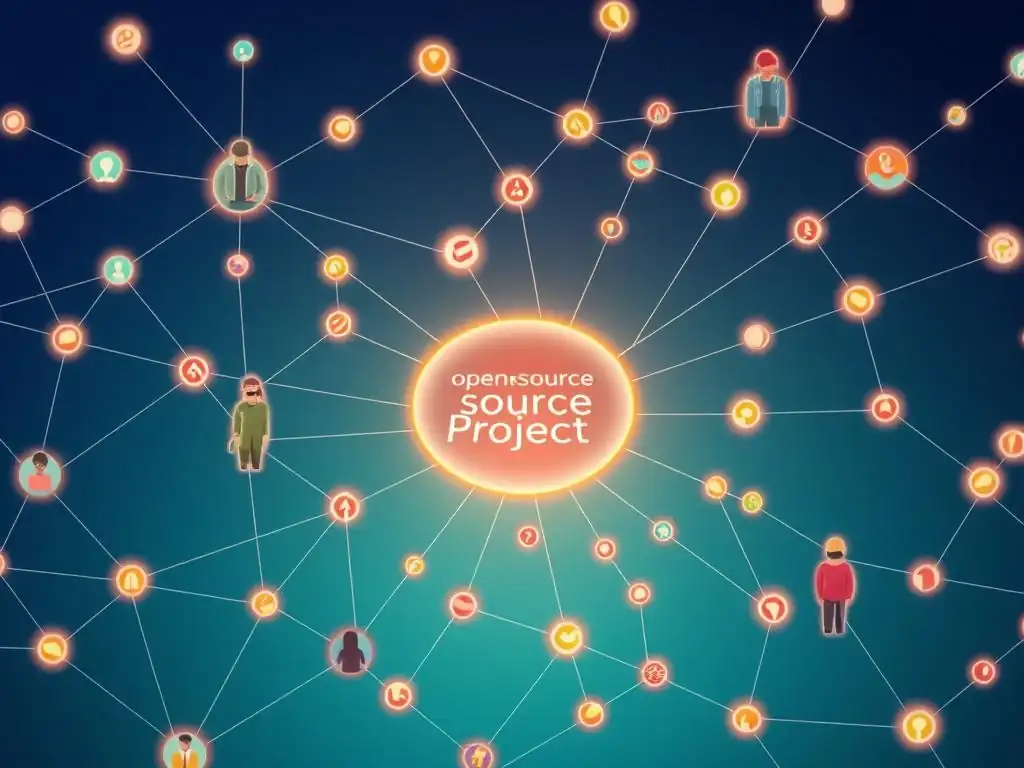
Welcome to the Git and Version Control Hub, your central resource for mastering the art of collaborative code!
Are you looking to cultivate a thriving open source project? Dive in and discover proven open source community growth strategies leveraging the power of Git. Learn how Git can be more than just version control; it's a powerful engine for organic expansion and collaboration. Intrigued? Keep reading to unlock the secrets!
- Introduction: Fostering Organic Growth in Open Source Projects
- Laying the Foundation: Git Best Practices for Community Engagement
- Git-Powered Strategies for Attracting and Retaining Contributors
- Utilizing Git for Community Building: Beyond Code Contributions
- Measuring and Analyzing Community Growth Through Git Metrics
- Case Studies: Successful Open Source Communities and Their Git Strategies
- Conclusion: Sustaining Organic Growth with Git and Community Engagement
-
Frequently Asked Questions
- How can Git contribute to the growth of an open-source community?
- What Git strategies can encourage more contributions from community members?
- How can I use Git to manage and track contributions effectively in a growing community?
- How can I use Git to ensure code quality as my open-source community grows?
- What role does Git play in onboarding new developers to an open-source project?
- Final Reflection: Cultivating Collaborative Ecosystems
- Ignite Your Community: Contribute & Connect!
Introduction: Fostering Organic Growth in Open Source Projects
Understanding the Importance of Organic Community Growth
Organic growth in open source projects refers to the gradual and sustainable expansion of a community driven by genuine interest and contribution, rather than artificial or forced methods. This type of growth is vital because it fosters a healthy and resilient ecosystem around the project. Unlike rapid, inorganic growth that can lead to burnout and superficial engagement, organic growth builds a solid foundation of dedicated contributors who are intrinsically motivated to see the project succeed.
For instance, consider the Linux kernel community, which has seen consistent organic growth over decades. This growth is not due to massive marketing campaigns, but rather the result of developers worldwide finding genuine value in contributing to the project and its ecosystem. This sustainable approach ensures the long-term viability and health of the open source project, making it less susceptible to abandonment or stagnation.
Organic growth also cultivates a more inclusive and collaborative environment. When contributors join because they are genuinely interested in the project's goals and values, they are more likely to be active participants in discussions, code reviews, and community governance. This creates a positive feedback loop where the project improves through collective effort, attracting even more like-minded individuals.
Contrast this with projects that experience inorganic growth, often fueled by hype or external pressures. These communities can become fragmented, with a lack of genuine connection among members, leading to decreased engagement and ultimately hindering the project's potential. Therefore, prioritizing organic growth strategies is essential for building a thriving and long-lasting open source community.
Git's Role in Sustainable Open Source Community Development
Git, as a distributed version control system, plays a pivotal role in fostering sustainable open source community development. Its architecture inherently supports collaboration and transparency, which are cornerstones of organic growth. The ability for developers worldwide to fork a repository, contribute independently, and propose changes through pull requests democratizes contribution and lowers the barrier to entry for new community members.
Think about projects hosted on platforms like GitHub or GitLab; Git underpins their entire collaborative infrastructure. These platforms leverage Git’s features to enable seamless contribution workflows, making it easier for individuals to participate regardless of their geographical location or organizational affiliation.
Furthermore, Git's emphasis on transparency through its detailed commit history and branching model fosters trust and understanding within the community. Every change, discussion, and decision is traceable, providing a clear record of the project's evolution. This transparency is crucial for building confidence among contributors, as they can see how their work fits into the larger picture and understand the rationale behind project decisions.
For example, reviewing the Git history of popular open source projects reveals not just the code changes, but also the discussions and justifications embedded in commit messages and pull request threads. This level of transparency, enabled by Git, is instrumental in cultivating a healthy and sustainable open source community built on mutual trust and shared understanding.
Laying the Foundation: Git Best Practices for Community Engagement
Establishing Clear Contribution Guidelines with Git
Establishing clear contribution guidelines is paramount for any open source project aiming for organic community growth. These guidelines, often hosted directly within the Git repository, serve as the first point of contact for new contributors, setting expectations and streamlining the onboarding process. Without clear guidelines, new contributors might feel lost or unsure about how to participate, leading to frustration and potentially hindering their involvement.
Think of it as providing a well-marked path into your project; it makes it easier and more inviting for newcomers to join. These guidelines are not just about technical aspects like coding style but also encompass community etiquette and communication norms, creating a welcoming and inclusive environment.
Git facilitates the easy distribution and version control of these guidelines. By storing them in the repository, alongside the code, they are readily accessible to everyone and benefit from the same version control as the codebase itself. This ensures that the guidelines are always up-to-date and reflective of the project's current needs and processes. For instance, many projects use a CONTRIBUTING.md file at the root of their repository, a convention that Git platforms readily recognize and often highlight to new visitors. This practice ensures that contribution guidelines are not buried in some obscure documentation section, but are prominently displayed, encouraging and guiding potential contributors right from the outset.
Creating a CONTRIBUTING.md File for Seamless Onboarding
A CONTRIBUTING.md file, placed at the root of your Git repository, is the cornerstone of seamless onboarding for new contributors. This file acts as a welcome mat, providing essential information that empowers individuals to contribute effectively from their first interaction. It should clearly outline the steps involved in contributing, from setting up the development environment to submitting code changes. A well-crafted CONTRIBUTING.md typically includes sections on how to report bugs, suggest features, contribute code, and engage with the community. For example, the popular requests library for Python has a comprehensive CONTRIBUTING.md that details everything from setting up a development environment with virtualenv to running tests and submitting pull requests, making it remarkably easy for anyone to contribute.
Beyond the technicalities, a CONTRIBUTING.md should also articulate the project's values and community guidelines. This includes outlining expected behavior in discussions, code reviews, and other interactions, fostering a respectful and collaborative environment. It may also specify preferred communication channels, such as mailing lists, forums, or chat platforms. Including a "Code of Conduct," often linked from the CONTRIBUTING.md, further reinforces these values and ensures a safe and inclusive space for all contributors. By proactively addressing potential questions and concerns in a CONTRIBUTING.md, projects can significantly lower the barrier to entry and encourage more individuals to become active participants in the open source community.
Defining Git Workflow Standards for New Contributors
Defining clear Git workflow standards is crucial for ensuring smooth collaboration and maintaining code quality in an open source project. These standards provide a common language and process for contributors to interact with the Git repository, reducing confusion and potential conflicts. For new contributors, understanding the expected Git workflow is essential for making effective and valuable contributions. These standards typically cover aspects like branching strategies, commit message conventions, and the pull request process. For instance, many projects adopt a simplified branching model, such as using main for the stable branch and feature branches for new development, which is clearly communicated in their contribution guidelines.
Workflow standards should also encompass expectations around commit messages. Encouraging contributors to write clear and descriptive commit messages, often following conventions like the "Conventional Commits" specification, makes the project history more understandable and maintainable.
Furthermore, outlining the pull request process – how to create a pull request, what information to include, and what to expect during code review – is vital for guiding new contributors through the contribution lifecycle. By establishing and clearly documenting these Git workflow standards, projects can create a structured and predictable contribution process, making it easier for both newcomers and experienced developers to collaborate effectively and contribute to the project's organic growth.
Leveraging Branching Strategies for Collaborative Development
Branching strategies in Git are fundamental for managing concurrent development and maintaining code stability in collaborative open source projects. Effective branching strategies allow multiple contributors to work on different features or bug fixes simultaneously without interfering with each other's work or destabilizing the main codebase. Choosing the right branching strategy is crucial for optimizing collaboration and facilitating a smooth contribution workflow, ultimately contributing to organic community growth. Common strategies include feature branching, release branching, and Gitflow, each with its own set of benefits and complexities.
A well-defined branching strategy provides a clear structure for managing different aspects of development, from new feature implementation to hotfixes and releases. This structure not only improves code organization but also enhances communication and coordination among contributors. By understanding the project's branching strategy, contributors know where to base their work, how to propose changes, and what to expect in terms of code integration and release cycles.
This clarity is especially important in open source communities where contributors may be geographically dispersed and working asynchronously. Leveraging Git's branching capabilities effectively is therefore a key enabler of scalable and sustainable collaborative development in open source projects.
Feature Branching: Isolating New Functionality
Feature branching is a widely adopted branching strategy that promotes isolated development of new functionalities in Git. In this approach, each new feature or significant change is developed in its own dedicated branch, diverging from the main branch (often named main or develop). This isolation is crucial for preventing unfinished or potentially unstable code from directly impacting the main codebase. Contributors can work on their features independently, without the risk of breaking the main branch or interfering with other ongoing development efforts. For instance, if a developer is implementing a new user authentication module, they would create a feature branch, such as feature/authentication, and commit all their changes to this branch.
The benefits of feature branching extend beyond code isolation. It also facilitates easier code reviews and testing. Because each feature is contained within its own branch, it becomes simpler to review the changes specific to that feature in isolation.
Once the feature is complete and tested, it can be merged back into the main branch via a pull request. This process ensures that only reviewed and tested code is integrated into the main codebase, maintaining code quality and stability. Feature branching is particularly effective in open source projects as it empowers contributors to work on new features at their own pace and ensures a structured and controlled integration process, fostering a healthy and collaborative development environment that supports organic community growth.
Release Branching: Maintaining Stable Versions
Release branching is a branching strategy focused on preparing and maintaining stable releases of the software. Once a set of features is deemed ready for release, a release branch is created from the main branch (e.g., release/1.2.0). This branch becomes the dedicated space for final bug fixes, documentation updates, and release preparations. Crucially, the main branch remains open for ongoing development of future features, while the release branch stabilizes for the current release cycle. This separation ensures that release preparations do not disrupt the continuous development of new features and vice versa.
Release branching is vital for maintaining stability and providing reliable versions to users. By isolating release preparation in a dedicated branch, teams can thoroughly test and refine the release candidate without introducing new features or risky changes. Once the release is finalized, the release branch is typically tagged with the release version number and merged back into the main branch and potentially a dedicated stable branch. This process ensures that users can rely on stable release versions while development on future iterations continues concurrently on the main branch. Projects like the Linux kernel and many other large open source projects heavily rely on release branching strategies to manage their complex release cycles and provide users with stable and predictable software versions.
Git-Powered Strategies for Attracting and Retaining Contributors
Showcasing Your Project with a Well-Organized Git Repository
Showcasing your project effectively through a well-organized Git repository is a powerful strategy for attracting and retaining contributors. A clean, understandable, and logically structured repository makes a positive first impression and demonstrates professionalism and attention to detail. New contributors are more likely to engage with a project that appears well-maintained and easy to navigate. This includes not only the code structure itself, but also the clarity of commit messages, the presence of meaningful tags, and the overall organization of branches and files.
A well-organized repository reduces the cognitive load for potential contributors. They can quickly grasp the project's structure, understand the codebase, and find the information they need to get started. This ease of navigation significantly lowers the barrier to entry and encourages more individuals to explore the project and consider contributing. For example, a project with clearly named directories, well-commented code, and a logical module structure instantly projects an image of quality and maintainability. Conversely, a disorganized and chaotic repository can be daunting and discourage potential contributors, even if the project itself is technically valuable.
Clear Commit Messages: A Chronicle of Project Evolution
Clear and informative commit messages are essential for creating a readable and understandable project history in Git. They serve as a chronicle of the project's evolution, explaining not just what changes were made, but also why those changes were implemented. Well-crafted commit messages significantly improve code maintainability, facilitate code reviews, and make it easier for new contributors to understand the project's development trajectory. Imagine trying to understand the history of a project with commit messages like "fix bug" or "update code"; it becomes nearly impossible to grasp the context and rationale behind the changes.
Adopting commit message conventions, such as the "Conventional Commits" specification or simply adhering to best practices like using concise summaries and detailed explanations in the commit body, greatly enhances the value of the Git history. For instance, a commit message that starts with "Fix: resolve issue with user authentication on login page" immediately tells reviewers and future developers the purpose and scope of the change.
Tools and scripts can also leverage structured commit messages for automated changelog generation and release notes. By emphasizing the importance of clear commit messages, projects not only improve their internal documentation but also create a more welcoming and accessible environment for new contributors seeking to understand the project's past and present.
Utilizing Tags for Version Management and Discoverability
Utilizing tags in Git is crucial for effective version management and enhancing project discoverability. Tags are essentially snapshots of the repository at specific points in time, typically used to mark releases (e.g., v1.0.0, v1.1.0-beta). They provide stable and easily identifiable points of reference in the project's history. For users and contributors, tags make it simple to access specific versions of the software, whether to download a stable release, examine the codebase at a particular version, or compare changes between releases. Without tags, navigating project versions becomes cumbersome and error-prone, relying solely on commit hashes which are less human-readable and harder to remember.
Tags also significantly improve project discoverability. Platforms like GitHub and GitLab often display tags prominently, making it easy for visitors to quickly identify and access stable releases. Well-named and consistently applied tags signal to potential users and contributors that the project is actively maintained and follows a structured release process.
Furthermore, tags are often used in automated build and deployment pipelines, ensuring that releases are built from specific, tagged commits, guaranteeing reproducibility and consistency. By effectively leveraging Git tags, open source projects can streamline version management, enhance user experience, and project a professional and well-organized image, attracting both users and potential contributors.
Encouraging Participation Through Pull Requests and Code Reviews
Encouraging participation through pull requests and code reviews is central to fostering a collaborative and thriving open source community. Pull requests, also known as merge requests, are the primary mechanism for contributors to propose changes to the project, be it code, documentation, or other project assets. Code reviews, conducted as part of the pull request process, are crucial for maintaining code quality, sharing knowledge, and providing constructive feedback. A welcoming and efficient pull request and code review process signals to potential contributors that their contributions are valued and that the project is open to external participation.
A well-defined and transparent pull request process empowers contributors to engage with the project confidently. Clear guidelines on how to submit pull requests, what information to include, and what to expect during the review process are essential for creating a positive contributor experience. Similarly, fostering a culture of constructive and respectful code reviews is vital for learning and improvement.
Code reviews should be seen as opportunities for collaboration and knowledge sharing, rather than as gatekeeping or fault-finding exercises. By actively encouraging participation through pull requests and implementing a supportive code review process, open source projects can cultivate a vibrant and engaged community, driving organic growth and project success.
The Pull Request Process: A Gateway to Contribution
The pull request process serves as a vital gateway for contributions to open source projects. It provides a structured and controlled mechanism for external contributors to submit their proposed changes and integrate them into the main project codebase. A well-designed pull request process streamlines the contribution workflow, ensures code quality, and facilitates communication and collaboration between contributors and project maintainers. For many new contributors, submitting their first pull request is a significant step towards becoming active members of the community.
A typical pull request process involves a contributor forking the main repository, creating a feature branch in their fork, making their changes, and then submitting a pull request to the main project repository. The pull request then triggers a code review process, where project maintainers and other community members review the proposed changes, provide feedback, and suggest improvements. This review process is crucial for ensuring code quality, identifying potential issues, and fostering knowledge sharing. Once the pull request is approved, it is merged into the main branch. A clear and well-documented pull request process, easily accessible in the project's CONTRIBUTING.md, significantly lowers the barrier to contribution and encourages more individuals to participate in the open source community.
Constructive Code Reviews: Fostering Learning and Improvement
Constructive code reviews are a cornerstone of healthy open source development, fostering both learning and continuous improvement within the community. Beyond simply identifying bugs or enforcing coding standards, code reviews should be viewed as opportunities for knowledge sharing, mentorship, and collaborative problem-solving. When conducted constructively, code reviews help improve code quality, reduce technical debt, and ensure consistency across the codebase. Furthermore, they provide a platform for experienced contributors to share their expertise with newer members, promoting skill development and community growth.
Effective code reviews focus on providing specific, actionable, and respectful feedback. Instead of simply stating "This code is bad," a constructive review would explain why it could be improved, perhaps suggesting alternative approaches or pointing to relevant documentation. It's also crucial to highlight what is done well in the code, reinforcing positive contributions and encouraging good practices.
Maintaining a positive and supportive tone during code reviews is essential for building a welcoming and inclusive community. When contributors feel that their work is valued and that code reviews are a learning opportunity rather than a critical judgment, they are more likely to engage actively, contribute consistently, and grow alongside the project.
Utilizing Git for Community Building: Beyond Code Contributions
Git-Based Documentation and Knowledge Sharing
Git's capabilities extend beyond code version control; it is also a powerful tool for managing project documentation and facilitating knowledge sharing within the open source community. Storing documentation in the Git repository alongside the code ensures that documentation is versioned, readily accessible, and kept in sync with code changes. This co-location of code and documentation promotes a "docs-as-code" approach, making documentation an integral part of the development process. This approach is particularly beneficial in open source projects where documentation is often collaboratively created and maintained by the community.
Using Git for documentation enables collaborative editing, version history tracking, and easy contribution through the same pull request workflow used for code. Contributors can propose documentation improvements, fix errors, or add new sections just as they would contribute code changes. This democratizes documentation creation and ensures that the knowledge base is continuously updated and reflects the current state of the project. Furthermore, Git's branching and tagging features can be used to manage documentation versions corresponding to different software releases, ensuring that users always have access to documentation relevant to the version they are using.
Maintaining Documentation in the Git Repository
Maintaining documentation directly within the Git repository offers numerous advantages for open source projects. It ensures that documentation is version-controlled, making it easy to track changes, revert to previous versions, and understand the evolution of the project's documentation alongside its codebase. This version control is crucial for maintaining accuracy and consistency, especially in projects that are constantly evolving. Storing documentation as plain text files (like Markdown or reStructuredText) within the repository allows for easy editing and collaboration using standard Git workflows.
Furthermore, keeping documentation in Git promotes accessibility and discoverability. It makes it easier for contributors to find and update documentation, as it is located in the same place as the code they are working on. Platforms like GitHub and GitLab render these documentation files directly in the repository browser, making them instantly accessible to anyone visiting the project page. Many open source projects, from frameworks like Django to tools like Git itself, successfully manage their extensive documentation within their Git repositories, demonstrating the effectiveness of this approach for collaborative knowledge sharing and project sustainability.
Using Git to Track and Manage Documentation Updates
Git provides robust mechanisms for tracking and managing documentation updates, ensuring that changes are properly recorded, reviewed, and integrated. Every documentation modification committed to the Git repository is tracked in the commit history, providing a complete audit trail of who made what changes and when. This transparency is essential for collaborative documentation efforts, allowing community members to understand the rationale behind changes and contribute effectively. Using Git's branching and pull request workflow for documentation updates enables the same level of review and collaboration as for code changes.
When documentation updates are proposed through pull requests, they can be reviewed by other community members, ensuring accuracy, clarity, and consistency. This review process is particularly valuable for complex or technical documentation, where subject matter expertise and diverse perspectives can significantly improve quality. Git also facilitates the management of documentation versions.
By tagging documentation commits corresponding to software releases, projects can provide version-specific documentation, ensuring that users always have access to information relevant to the version they are using. This comprehensive tracking and management of documentation updates through Git is crucial for maintaining a high-quality and up-to-date knowledge base for the open source community.
Issue Tracking and Bug Reporting with Git
Git-based issue tracking systems, often integrated into platforms like GitHub and GitLab, are invaluable tools for community building and managing project feedback. Issues are used for a wide range of purposes, from reporting bugs and requesting new features to discussing project roadmap and coordinating tasks. They serve as a central communication hub for the community, allowing users and contributors to raise concerns, share ideas, and collaborate on project improvements. An active and well-managed issue tracker signals to the community that the project is responsive to feedback and values user input.
Issue tracking systems built on Git foster transparency and collaboration. All issues, discussions, and resolutions are publicly accessible, providing a clear record of project feedback and development priorities. This transparency builds trust within the community and allows new contributors to understand the project's current challenges and areas for improvement. Furthermore, issue tracking systems facilitate task management and prioritization. Maintainers can use issues to organize work, assign tasks to contributors, and track progress towards project goals. By effectively leveraging Git-based issue tracking, open source projects can create a more engaged and collaborative community, driving organic growth and project evolution.
Leveraging Issues for Community Feedback and Feature Requests
Leveraging issues for community feedback and feature requests is a proactive strategy for engaging users and shaping the project's direction based on community needs. Issue trackers provide a structured platform for users to report bugs, suggest enhancements, and share their experiences with the software. This direct feedback loop is invaluable for project maintainers to understand user pain points, identify areas for improvement, and prioritize development efforts based on real-world needs. Actively encouraging users to submit issues for feedback and feature requests demonstrates a commitment to community-driven development.
Responding promptly and thoughtfully to issues, even if it's just to acknowledge receipt and indicate when it will be addressed, is crucial for fostering a positive community environment. Using issues to initiate discussions about potential new features or project roadmap items can also engage the community in shaping the future of the project. By actively leveraging issues as a channel for community feedback and feature requests, open source projects can ensure that their development trajectory aligns with user needs and community expectations, fostering organic growth and long-term relevance.
Organizing Issues with Labels and Milestones
Organizing issues effectively with labels and milestones is essential for managing a growing issue tracker and ensuring that feedback is addressed efficiently. Labels are used to categorize issues based on type (e.g., bug, feature request, documentation), priority (e.g., high, medium, low), component (e.g., authentication, database, UI), or status (e.g., open, in progress, closed). This categorization makes it easier to filter, search, and prioritize issues, allowing maintainers to quickly identify and address critical issues or focus on specific areas of the project.
Milestones are used to group issues related to specific releases or project goals. Assigning issues to milestones helps track progress towards those goals and provides a roadmap for development. Milestones also communicate to the community the project's development priorities and expected timelines. For example, a milestone could represent a specific release version (e.g., v2.0.0) or a major feature initiative (e.g., Implement Plugin System). By effectively utilizing labels and milestones, open source projects can maintain a well-organized and manageable issue tracker, ensuring that community feedback is addressed efficiently and project development remains focused and transparent.
Measuring and Analyzing Community Growth Through Git Metrics
Tracking Git Contribution Activity
Tracking Git contribution activity provides valuable insights into the health and growth of an open source community. Analyzing Git metrics can reveal patterns of contribution, identify active contributors, and highlight areas where community engagement might be thriving or lagging. These metrics offer data-driven feedback on the effectiveness of community growth strategies and can inform adjustments to improve contributor engagement and project sustainability. Common Git metrics to track include commit frequency, author contributions, and pull request activity.
Analyzing these metrics over time can reveal trends in community participation. For example, a consistent increase in commit frequency and the number of unique contributors might indicate healthy organic growth. Conversely, a decline in these metrics could signal potential issues with community engagement or project health. Git platforms like GitHub and GitLab provide built-in analytics dashboards that offer visualizations of contribution activity, making it easier to track these metrics and identify trends. By regularly monitoring Git contribution activity, open source projects can gain a deeper understanding of their community dynamics and make data-informed decisions to foster continued organic growth.
Analyzing Commit Frequency and Author Contributions
Analyzing commit frequency and author contributions are fundamental aspects of tracking Git contribution activity. Commit frequency, often measured as commits per week or month, provides an overall indication of the project's development pace and community engagement. A consistently high commit frequency, especially when sustained over time, generally suggests a healthy and active project. However, it's important to consider the context; a sudden spike in commit frequency might be due to a specific event, like a major release preparation, rather than sustained organic growth.
Analyzing author contributions, which involves tracking the number of commits made by unique authors, provides insights into the breadth of community participation. A healthy open source project typically exhibits contributions from a diverse set of authors, indicating a broad and engaged community. Monitoring the number of new contributors over time is also crucial for assessing organic growth.
An increasing number of new contributors joining the project suggests that the community is attracting and onboarding new members effectively. By analyzing both commit frequency and author contributions, projects can gain a more nuanced understanding of their community's activity levels and growth patterns.
Identifying Active Contributors and Potential Mentors
Identifying active contributors through Git metrics is crucial for recognizing and appreciating valuable community members and for identifying potential mentors. Active contributors are those who consistently contribute code, documentation, or other project assets, demonstrating a sustained commitment to the project. Git metrics like commit count, pull request submissions, and code review participation can help identify these individuals. Recognizing and appreciating active contributors, perhaps through public acknowledgement or invitations to leadership roles, can further motivate them and encourage continued engagement.
Furthermore, identifying experienced and active contributors makes it possible to identify potential mentors for new community members. Mentorship programs can significantly improve the onboarding experience for new contributors and help retain them within the community. By leveraging Git metrics to identify active contributors and potential mentors, open source projects can strengthen their community, foster knowledge sharing, and promote sustainable organic growth. Platforms like GitHub and GitLab provide contributor leaderboards and activity dashboards that can assist in this identification process.
Monitoring Pull Request Acceptance Rates
Monitoring pull request acceptance rates is an important metric for assessing the efficiency and effectiveness of the contribution workflow in open source projects. The pull request acceptance rate, calculated as the percentage of submitted pull requests that are eventually merged, reflects how smoothly contributions are integrated into the project. A consistently high acceptance rate generally indicates a well-functioning contribution process and a welcoming community. Conversely, a low acceptance rate or a significant drop in acceptance rate might signal bottlenecks in the workflow or issues with code review processes.
Analyzing pull request acceptance rates can help identify areas for improvement in the contribution workflow. For example, a low acceptance rate could be due to overly strict code review standards, unclear contribution guidelines, or slow response times from maintainers. Monitoring trends in acceptance rates over time can also reveal the impact of changes to the contribution process or community dynamics. By tracking and analyzing pull request acceptance rates, open source projects can optimize their contribution workflow, improve contributor experience, and foster a more welcoming and efficient environment for community participation.
Assessing the Efficiency of the Code Review Process
Assessing the efficiency of the code review process is directly linked to monitoring pull request acceptance rates. A slow or inefficient code review process can lead to lower pull request acceptance rates and discourage contributors. Metrics to consider when assessing code review efficiency include the time it takes for pull requests to be reviewed, the number of review iterations required before merging, and the overall turnaround time from pull request submission to merge. Long review times or excessive review iterations can indicate bottlenecks in the process or a lack of reviewer availability.
Analyzing code review efficiency can help identify areas for improvement. For example, implementing automated code checks, providing clearer code review guidelines, or increasing the number of active reviewers can all contribute to a more efficient process. Regularly soliciting feedback from contributors about their code review experience is also valuable for identifying pain points and areas for improvement. By actively assessing and optimizing the code review process, open source projects can improve contributor satisfaction, increase pull request acceptance rates, and foster a more efficient and welcoming contribution workflow, supporting organic community growth.
Identifying Bottlenecks in the Contribution Workflow
Identifying bottlenecks in the contribution workflow is crucial for optimizing the contributor experience and maximizing community participation. Bottlenecks can occur at various stages of the contribution process, from initial setup and understanding contribution guidelines to submitting pull requests and undergoing code review. Analyzing Git metrics, monitoring pull request acceptance rates, and soliciting feedback from contributors can help pinpoint these bottlenecks. For example, a high number of abandoned pull requests might suggest that the contribution process is too complex or time-consuming.
Common bottlenecks include unclear contribution guidelines, lengthy code review cycles, insufficient communication from maintainers, or complex Git workflows. Once bottlenecks are identified, projects can implement targeted improvements to streamline the workflow. This might involve simplifying contribution guidelines, improving code review processes, increasing maintainer responsiveness, or providing better documentation and onboarding resources. By proactively identifying and addressing bottlenecks in the contribution workflow, open source projects can create a smoother and more welcoming experience for contributors, encouraging greater participation and fostering organic community growth.
Case Studies: Successful Open Source Communities and Their Git Strategies
Kubernetes: A Case Study on Effective Branching for Collaboration
Kubernetes, the widely adopted container orchestration platform, provides a compelling case study in effective branching strategies for large-scale collaborative open source projects. Kubernetes employs a sophisticated branching model designed to manage contributions from a vast and diverse community while maintaining code stability and facilitating regular releases. Their strategy heavily relies on feature branching and release branching, allowing for parallel development of new features and robust release management. New features are developed in dedicated feature branches, ensuring isolation and independent testing before integration.
Kubernetes’ release branching strategy is particularly noteworthy. They maintain release branches for each minor release (e.g., release-1.28), which are branched off from the main development branch well in advance of the release date. These release branches are then used for final stabilization, bug fixes, and release candidate generation, while active development of future features continues uninterrupted on the main branch. This separation is crucial for managing the complexity of Kubernetes releases and ensuring stability for users. The success of Kubernetes' branching strategy highlights the importance of a well-defined and rigorously implemented branching model for managing collaboration in large and rapidly evolving open source projects.
Django: A Case Study on Git-Based Documentation Practices
Django, the popular Python web framework, offers an exemplary case study in Git-based documentation practices. Django's documentation is meticulously maintained directly within its Git repository, exemplifying the "docs-as-code" approach. The entire documentation set, written in reStructuredText, resides alongside the code, benefiting from the same version control, collaborative workflows, and accessibility as the codebase itself. This approach ensures that documentation is always kept in sync with code changes and is easily accessible to developers and users alike.
Django's documentation contribution process is also seamlessly integrated with Git. Contributors can propose documentation improvements, fix errors, or add new sections through the same pull request workflow used for code contributions. This makes it easy for community members to contribute to the documentation and ensures that updates are reviewed and integrated in a controlled manner.
Furthermore, Django utilizes Git tags to version its documentation, aligning documentation versions with software releases. This practice ensures that users always have access to documentation relevant to the specific Django version they are using. Django’s successful Git-based documentation strategy demonstrates the power of integrating documentation directly into the version control system for collaborative maintenance and user accessibility.
Conclusion: Sustaining Organic Growth with Git and Community Engagement
Key Takeaways for Growing Your Open Source Project Organically
Growing an open source community organically requires a strategic approach centered around fostering genuine engagement and sustainable contribution. Git, with its collaborative features and transparency, is an indispensable tool in this process. Key takeaways include the importance of establishing clear contribution guidelines, leveraging branching strategies for collaborative development, and showcasing a well-organized Git repository. Encouraging participation through pull requests and constructive code reviews, and utilizing Git for documentation and issue tracking are also crucial for building a thriving community. Measuring and analyzing community growth through Git metrics provides valuable feedback for continuous improvement and strategy refinement.
Ultimately, organic community growth is about building relationships and fostering a welcoming and inclusive environment. Git provides the technical infrastructure for collaboration, but it's the human element – the interactions, the mentorship, and the shared passion for the project – that truly drives organic growth. By focusing on these key takeaways and consistently engaging with the community, open source projects can cultivate sustainable growth and long-term success.
The Future of Git in Open Source Community Development
The future of Git in open source community development remains bright and central. As open source continues to be the dominant paradigm for software development, Git will undoubtedly remain the foundation for collaboration and version control. Innovations in Git platforms, such as improved collaboration tools, enhanced analytics dashboards, and tighter integration with CI/CD pipelines, will further streamline open source workflows and empower communities to grow more efficiently. The ongoing evolution of Git itself, with features like sparse checkouts and improved large repository handling, will address the challenges of increasingly complex open source projects.
Moreover, the principles of Git-based collaboration – transparency, decentralization, and community-driven development – are likely to extend beyond software development to other collaborative domains. As open source methodologies become more widely adopted, Git's role in fostering transparent and collaborative ecosystems will only become more significant. The future of open source community development is inextricably linked to Git, and its continued evolution will be crucial for supporting the growth and sustainability of open source projects worldwide.
Frequently Asked Questions
How can Git contribute to the growth of an open-source community?
Git facilitates collaboration and contribution. It allows developers to easily fork, modify, and submit changes (pull requests) to the project, making it more accessible to new contributors.
What Git strategies can encourage more contributions from community members?
Using well-defined branching strategies, clear commit messages, and providing easy-to-follow contribution guidelines can significantly lower the barrier to entry for new contributors.
How can I use Git to manage and track contributions effectively in a growing community?
Git's branching and merging capabilities allow for organized management of contributions. Tools like GitHub and GitLab provide issue tracking and pull request review features to streamline the process.
How can I use Git to ensure code quality as my open-source community grows?
Implementing code review processes using pull requests and Git hooks can help maintain code quality. Continuous Integration/Continuous Deployment (CI/CD) pipelines can also automate testing.
What role does Git play in onboarding new developers to an open-source project?
A well-structured Git repository with clear documentation and examples provides a foundation for new developers. Git's history allows them to understand the project's evolution and contribute effectively.
Final Reflection: Cultivating Collaborative Ecosystems
The strategies outlined in this article, from consistent contribution guidelines to strategic branching, are not merely technical exercises; they are the seeds of thriving open source communities. The organic growth of these communities hinges on fostering inclusivity and empowering contributors at every level. In today's interconnected world, where software increasingly shapes our lives, the health and vibrancy of open source projects are paramount to innovation and equitable access to technology.
The impact of a well-nurtured open source community extends far beyond lines of code. It creates a space for learning, mentorship, and collaboration, shaping the future of technology and the individuals who build it. Witnessing the evolution of a small project into a bustling ecosystem, driven by shared passion and purpose, is a testament to the power of collective effort. If you want to go fast, go alone. If you want to go far, go together.
This African proverb encapsulates the essence of open source: sustainable growth is achieved through collaboration and shared ownership.
As you navigate the landscape of open source, remember that building a community is not about imposing structure, but about nurturing connection. Embrace the principles of transparency, inclusivity, and continuous improvement. Let the strategies discussed here serve as a guide, but allow the unique spirit of your community to shape its own path. What contributions will you make to foster a more collaborative and innovative future?
Ignite Your Community: Contribute & Connect!
Thank you for exploring effective strategies for organically growing your open-source community! We hope you found valuable insights on leveraging Git. Now it's time to put those ideas into action and watch your community flourish!
Here are a few ways to immediately boost engagement:
- Commit to Contributing: Choose an issue from your project's repository and dedicate some time this week to resolving it. This act of contribution not only improves the project but also inspires others to participate.
- Engage with Contributors: Explore your Git repository's contributor list to identify potential key players. Reach out personally to welcome them, offering guidance and support.
- Share Your Successes: Post a short update on social media about a recent community achievement or a particularly helpful contribution, tagging relevant groups to amplify the message.
Ready to cultivate a thriving and collaborative open-source community using Git? What Git workflow will you prioritize to foster greater engagement and collaboration within your project?